
Unlocking the Magic of Aromatic Herbs
Imagine a simple plate of pasta elevated to a feast for the senses. With just a sprinkle of aromatic herbs, your everyday meals can become extraordinary culinary experiences. Aromatic herbs offer not only flavor but also a burst of fragrance that can transform the mundane into the magnificent.
The Power of Aromatic Herbs
By incorporating aromatic herbs into your cooking, you invite a variety of flavors that can enhance any dish significantly. Here are some popular herbs to consider:
- Basil: Known as the “king of herbs,” basil is perfect for Italian dishes and fresh salads. Its sweet and slightly peppery flavor pairs wonderfully with tomatoes, making it a key ingredient in classic marinara sauce and Caprese salad. Fresh basil also offers a stunning visual element, with its vibrant green leaves enhancing any dish.
- Thyme: This hardy herb works wonders in savory stews and roasted dishes. Its earthy aroma complements meat, poultry, and vegetables, adding depth and complexity to your meals. For example, thyme is a staple in French cooking, featuring prominently in dishes like coq au vin and ratatouille.
- Cilantro: Adding a fresh, vibrant touch to Mexican and Asian cuisines, cilantro has a unique flavor profile that is both citrusy and herbal. It can elevate everything from salsa and guacamole to pho and curries, making it a versatile herb for home cooks looking to spice up their meals.
- Rosemary: This aromatic herb is ideal for grilling meats and hearty roasted vegetables. Its strong, pine-like scent can infuse dishes with a distinct, robust flavor. Rosemary is often paired with lamb or chicken and can even be used to enhance breads, such as focaccia.
But it’s not just about taste. The visual appeal of fresh herbs makes dishes look more inviting. Adding a dash of color from fresh herbs can elevate presentation immensely, creating a restaurant-quality experience at home.
Health Benefits
Aromatic herbs are not only delicious; they also pack a nutritional punch. Many herbs are rich in antioxidants and can offer health benefits that contribute to overall wellness. For instance, basil contains anti-inflammatory properties and vitamin K, while thyme is known for its antimicrobial qualities. Embracing aromatic herbs is a simple yet effective way to enrich your diet.
As you delve deeper into the world of aromatic herbs, you’ll find a treasure trove of culinary possibilities waiting to be explored. Each herb not only has a unique flavor and aroma but also carries a rich history. For example, thyme was used by ancient Egyptians for embalming, while basil has been revered in Indian culture for thousands of years, being associated with the divine.
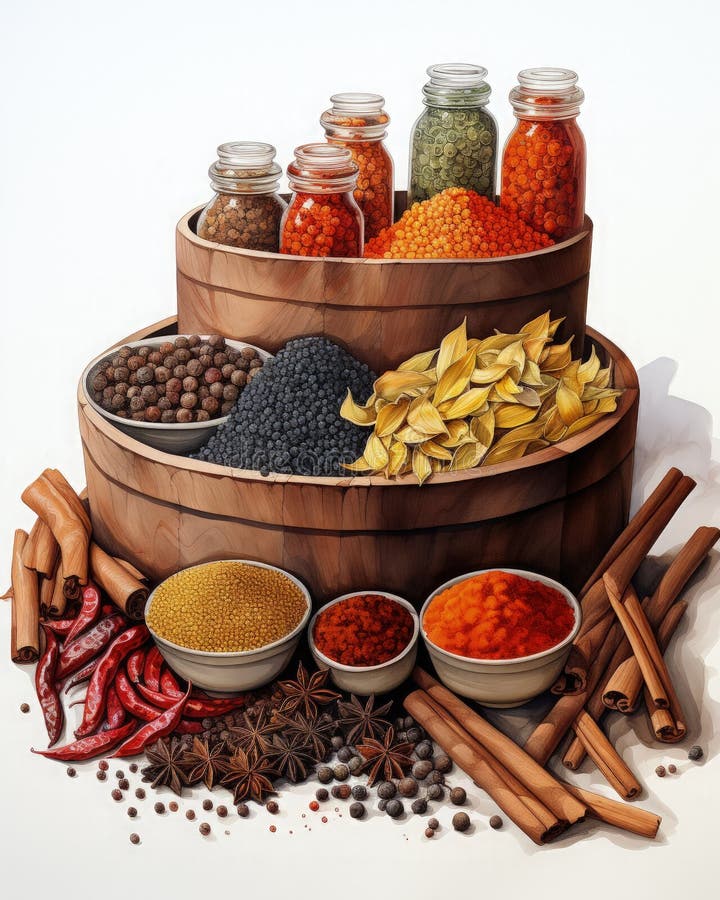
Whether you are a novice cook or a seasoned chef, integrating aromatic herbs into your meals can enhance not only the flavor and presentation but also the health benefits of your dishes. So why not explore the vast realm of aromatic herbs? Experiment with different combinations and discover how they can transform your culinary experiences into an exciting adventure.
DISCOVER MORE: Click here to uncover delicious quinoa recipes
Enhancing Flavors with Fresh Aromatic Herbs
One of the simplest yet most effective ways to transform a meal is by incorporating aromatic herbs into your cooking. These herbs are not only designed to elevate the taste of your dishes but also to create an aromatic experience that tantalizes the senses. The beauty of cooking with herbs lies in their versatility; a pinch of this or a sprinkle of that can alter a dish from basic to extraordinary. Here are some thoughts on specific types of aromatic herbs that can reshape your culinary creations:
Transformative Herbs for Culinary Creativity
While there are countless aromatic herbs to choose from, focusing on a select few can inspire confidence in experimentation. Here are some to consider:
- Oregano: Popular in Mediterranean cuisine, oregano has a slightly bitter and warm flavor that shines in dishes like pizza, pasta, and grilled meats. This herb not only brings out the richness in tomato-based sauces but can also serve as a refreshing finish when added to salads.
- Dill: Known for its distinct, feathery leaves, dill is particularly prevalent in Eastern European dishes. It adds a fresh, slightly tangy flavor that pairs beautifully with fish, potatoes, and pickles. A sprinkle of dill can brighten up any dish and add a touch of sophistication.
- Mint: This herb is often underestimated in savory dishes. Fresh mint has a bold, bright flavor that can invigorate everything from lamb dishes to summer salads. Its refreshing qualities are perfect for elevating drinks and desserts as well, showcasing its versatility.
- Sage: With its earthy, slightly peppery taste, sage is a favorite for autumn-inspired dishes. It’s a fantastic addition to buttery sauces, roasts, and stuffing, enhancing the flavors with a warm familiarity that evokes comfort.
When using these herbs, it’s essential to recognize their impact on both taste and aroma. For example, fresh herbs versus dried herbs yield different results, with fresh herbs generally providing a more pronounced fragrance and flavor. When possible, opt for fresh herbs that are vibrant and free from wilting; they will not only enhance your dishes but also boost your kitchen’s appeal as you chop and prepare meals.
Creating Layers of Flavor
Aromatic herbs should not be seen merely as a garnish but rather as integral components in creating layers of flavor. Cooking with herbs allows the flavors to meld and develop, creating a richer experience for the palate. A prime example is how basil and oregano coexist in a homemade tomato sauce, with each herb contributing its unique qualities to create a harmonious flavor profile.
Moreover, the timing of herbal additions can also influence the final taste. For instance, adding hearty herbs like rosemary early in the cooking process allows their flavors to infuse aromatic oils, while adding delicate herbs like cilantro or parsley at the end preserves their freshness and color. Understanding these nuances can significantly improve your culinary skills, allowing you to manipulate flavors to your advantage.
As you explore the realm of aromatic herbs, you’ll discover the art of transforming common dishes into something remarkable. By paying attention to the characteristics of each herb, your meals can become not just sustenance but delightful culinary experiences that are exciting for both the cook and the guests at your table.
| Benefits | Enhancements |
|---|---|
| Incorporating aromatic herbs improves flavor depth and complexity. | Fresh herbs like basil, thyme, and cilantro not only elevate taste but add visual appeal to dishes. |
| Aromatic herbs promote health benefits by enhancing the nutritional value of meals. | Common herbs such as rosemary and parsley have anti-inflammatory properties, enriching everyday meals. |
As we explore the fascinating world of aromatic herbs, it becomes evident that they can truly transform ordinary recipes into memorable culinary experiences. The incorporation of these herbs into everyday dishes is not just about adding taste; it’s about infusing life and vibrancy into our meals. For instance, the right combination of herbs can make a simple pasta dish burst with flavor, offering a delightful experience that tantalizes the taste buds.Moreover, their role in enhancing nutrition cannot be overlooked. Many aromatic herbs are packed with antioxidants and vitamins, contributing to a healthier diet while making meals more enjoyable. By understanding the unique characteristics of these herbs, cooking enthusiasts can engage in a culinary adventure, exploring diverse flavors and aromas that promote not only pleasure but also well-being in their dining experiences. The journey into the realm of aromatic herbs is not merely a trend; it is a gateway to enriched flavors and healthier living, urging everyone to explore the endless possibilities they bring to the kitchen.
DISCOVER MORE: Click here to savor the regional flavors of Italy
The Art of Pairing Aromatic Herbs with Ingredients
Understanding how to pair aromatic herbs with various ingredients is a crucial step in culinary transformation. Each herb possesses a unique chemical composition that interacts in fascinating ways with the foods they accompany. This synergy can enhance a dish’s flavor, aroma, and visual appeal, creating a more immersive dining experience. Here are some pairing principles that can help elevate your culinary endeavors:
Classic Pairings that Never Fail
Some herbs have established reputations for pairing beautifully with certain foods, creating timeless flavor combinations. For instance, rosemary is often partnered with lamb; its pine-like essence complements the rich flavors of the meat, making it a staple in Mediterranean cuisine. Similarly, thyme’s subtle earthiness works wonders with roasted vegetables and poultry, creating a well-rounded taste that feels both rustic and refined.
Understanding these classic pairings is not just about tradition. They serve as a reliable foundation for those looking to experiment in the kitchen. When unsure about what flavors will harmonize, consider taking cues from traditional recipes that have stood the test of time. They often capture the essence of how specific herbs can bring out the best in a dish.
Seasonal Herb Usage
With the changing seasons come variations in herb availability, flavor profiles, and culinary practices. Fresh parsley and basil make their striking appearances in the summer, offering freshness to salads, salsas, and cold pasta dishes. As autumn approaches, herbs like thyme and sage become the stars of the kitchen, bringing warmth and depth to heartier fare, including stews and baked goods.
Leveraging seasonal herbs not only enhances the taste of your dishes but also aligns with sustainable cooking practices. Visiting local farmers’ markets or your own herb garden during peak growth seasons can provide the freshest and most flavorful options, guaranteeing that your meals resonate with the season’s essence.
Creative Herb Infusions
Infusing oils, vinegars, or butters with aromatic herbs can bring a new depth of flavor to your cooking. The process involves steeping herbs in a base, allowing their flavors and aromas to permeate the medium. Infused oils, for example, can be a fantastic finishing touch drizzled over pasta or roasted vegetables. A homemade basil-infused olive oil can add a gourmet touch to a simple bruschetta.
Similarly, flavored vinegars are excellent for salad dressings and marinades. Combining herbs like tarragon or chervil with vinegar creates an enticing condiment that can inspire a variety of new dishes. Making herb-infused butters is another avenue for creative expression — simply blend your choice of herb with softened butter, refrigerate, and use it to enhance the flavor of meats or vegetables.
Moreover, understanding the seasonal fluctuation of herbal availability allows you to get a head start. Always consider processing fresh herbs into jellies or pestos; not only are they a unique flavor addition, but they also preserve the essence long after the growing season has passed.
Exploring the incorporation of aromatic herbs into your daily cooking will unlock an array of possibilities that tantalize the senses and reimagine ordinary meals. With just a bit of intention and creativity, any dish can be transformed into an extraordinary culinary experience. Each herb offers a pathway to explore a world of flavor, waiting to be discovered in your own kitchen.
DISCOVER MORE: Click here to delve deeper
Conclusion: Unlocking Culinary Magic with Aromatic Herbs
In exploring the world of aromatic herbs, it becomes clear that these humble plants possess the power to redefine our culinary experiences. From the classic pairings that stand the test of time to the innovative uses of herb-infused oils and vinegars, each herb can open the door to a multitude of flavors, textures, and aromas that enhance our meals.
As we venture into the realm of seasonal cooking, we find that aligning herb choices with the changing seasons not only utilizes the freshest ingredients available but also makes each dish a celebration of nature’s bounty. Embracing this approach offers a sustainable aspect to cooking, encouraging a connection to local produce and artisanal styles, making every plate a farm-to-table experience.
Moreover, by engaging with the art of herb pairing and infusion, home cooks can cultivate their own unique culinary identities. The beauty of aromatic herbs lies in their versatility—whether used as a main flavor component or a subtle hint, they have the potential to elevate ordinary meals into extraordinary culinary adventures.
Thus, the next time you find yourself in the kitchen, consider how aromatic herbs can transform your common dishes into gastronomical delights. With curiosity, creativity, and a little knowledge, you can masterfully blend herbs to create unforgettable dining experiences that will tantalize taste buds and impress your guests. The journey through flavor awaits—it’s time to unleash the transformative power of herbs and let your cooking shine.