

The Art and Science Behind Contouring and Highlighting
Makeup artists and beauty enthusiasts alike rave about the transformative power of contouring and highlighting techniques. These methods can decisively enhance facial features, creating a sculpted look that many desire. With the right knowledge and practice, contouring and highlighting can be accessible to anyone, whether you want to enhance your daily makeup or create a runway-ready look for a special event.
Foundation Choice
Before diving into contouring and highlighting, it’s essential to establish a solid foundation. Choosing a base that matches your skin tone not only provides a seamless canvas but also allows the contouring and highlighting techniques to blend effortlessly. Consider using long-lasting, hydrating formulas that complement your skin type—be it oily, dry, or combination. For a flirty summer look, a tinted moisturizer or BB cream can give a light, natural finish, while full-coverage options may be preferred for evening events.
Tools of the Trade
The application technique heavily relies on the tools you choose. Makeup brushes, sponges, and even fingers can yield different effects, so it’s wise to experiment with various options to discover your preference. For instance, a dense foundation brush can be ideal for applying contour in a precise manner, while a damp beauty sponge might give a more diffused, blended appearance. Additionally, the use of a fan brush can create a delicate highlight on the cheekbones without appearing too heavy-handed.
Understanding Color Theory
A key to successful contouring and highlighting lies in color theory. Identifying your skin’s undertones—whether cool, warm, or neutral—can significantly impact your shade selection. For instance, cool undertones often pair well with taupe or gray contours and pink-based highlighters, while warm undertones may shine with bronzy or golden hues. Moreover, brands like Fenty Beauty and Anastasia Beverly Hills offer diverse shades to cater to a variety of skin tones, making it easier to find the perfect match.
Techniques to Try
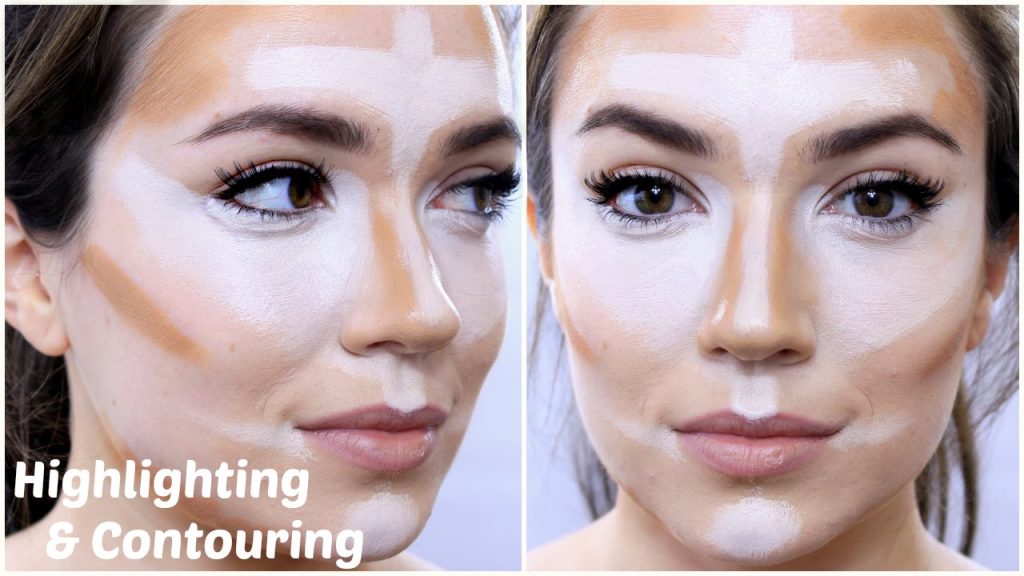
Once you’re set up with the right foundation, tools, and colors, it’s time to explore different techniques. Classic contouring focuses on the usual areas: the sides of the nose, under the cheekbones, and along the jawline, enhancing depth and structure. In contrast, highlighting emphasizes high points of the face including the brows, cheekbones, and the bridge of the nose for a radiant glow. For a trendy twist, you might consider techniques like “baking,” which involves applying translucent powder to highlighted areas to ensure longevity and an airbrushed finish.
Exploring Products
The vast array of products available today cater to all preferences, ranging from creamy formulations to powder-based options. Each type has its unique set of benefits; for example, cream products can offer a more natural, dewy finish, while powders provide a more matte, long-lasting look. Brands like NARS, Tarte, and Lorac are highly regarded for their quality contour and highlight palettes, making them staples in many makeup kits.
Whether you aim for a subtle everyday glow or a bold evening look, knowing the right techniques can elevate your beauty routine. As you delve into the world of contouring and highlighting, keep experimenting and adapting these techniques to suit your unique features and style. With practice and patience, you can unlock the secrets to a beautifully sculpted face that enhances your natural beauty.
DISCOVER MORE: Click here for tips on perfect lipstick application
Mastering Contour and Highlight: Techniques for a Flawless Finish
Once you’ve laid the groundwork with the right foundation and equipped yourself with the appropriate tools, it’s time to navigate the exciting world of contouring and highlighting techniques. These methods not only enhance your features but also provide an artistic flair that can make your makeup truly stand out. To begin, let’s delve into some fundamental techniques you should master that can help you achieve a sculpted and defined facial look.
Classic Contouring Techniques
The essence of classic contouring lies in illusion. By using shades darker than your natural skin tone, you can create shadows that narrow your face and showcase your cheekbones. Here are some areas you should focus on:
- Cheekbones: Apply contour just below your cheekbones, blending it toward your temples. This creates the appearance of higher, more defined cheekbones.
- Jawline: Lightly contour along your jawline to add definition and eliminate any softness, helping to create a more angular shape.
- Nose: For a slimmer nose, contour the sides of your nose. This technique also allows you to emphasize the bridge of your nose, making it appear straighter and longer.
- Forehead: If you’re looking to minimize a larger forehead, apply contour along the hairline at your forehead’s perimeter. This can help create a more balanced proportion to your face.
Highlighting for Radiance
In contrast to contouring, highlighting brings light to your face, accentuating the areas that naturally catch the light. This technique is paramount for achieving that coveted glow. Here’s how you can effectively highlight:
- High Points: Focus on areas such as the tops of your cheekbones, the bridge of your nose, and your cupid’s bow. A touch of highlighter on the middle of your chin can also enhance the overall look.
- Inner Corners of the Eyes: Applying highlighter to the inner corners of your eyes gives a vibrant, awake appearance, drawing attention to your eye makeup.
- Brows: A light sweep on your brow bone can elevate your brows, making them appear fuller and more defined.
Blending: The Key to Seamlessness
The art of blending cannot be overstated when it comes to makeup application. The goal is to create a natural transition between the contour and highlight so that no harsh lines are visible. Use a damp beauty sponge or a fluffy brush to seamlessly blend both the contour and highlight products into your skin, allowing them to meld with your foundation for a flawless finish. Practice patience, as effective blending takes time and effort, but the results will undoubtedly elevate your makeup game.
Arming yourself with these contouring and highlighting techniques is the first step toward mastering the craft of defined facial features. Experiment with different products, adjust your technique based on your unique features, and watch as you transform your makeup routine into a masterpiece of artistry. As you progress, remember that practice makes perfect, and each application will bring you closer to finding what works best for you.
| Advantages | Techniques |
|---|---|
| Enhanced Facial Structure | Using shadows to create depth and highlights to accentuate features can dramatically enhance the contours of your face. |
| Adapts to All Skin Types | Contouring products come in various formulas—creams, powders, and sticks—allowing customization for different skin tones and types. |
| Boosts Confidence | Mastering contouring and highlighting techniques can result in a polished look, fostering self-assurance in one’s appearance. |
| Foundation for Further Makeup | A well-contoured face provides an ideal foundation for applying other makeup products, ensuring flawless results. |
Contouring and highlighting techniques are not merely trends but transformative approaches that can greatly redefine one’s facial features. These techniques can significantly enhance the natural beauty by focusing on the play of light and shadow, making them essential in any makeup enthusiast’s toolkit. By understanding your unique face shape and using the right products, individuals can create a defined, sculpted look that flatters. For instance, using matte products to contour under the cheekbones and luminous highlighters on the cheekbones will result in a dynamic contrast that can elevate everyday makeup to a level of artistry. Furthermore, the versatility of contouring products—whether cream, powder, or liquid—means there is something suitable for every skin type, enhancing accessibility for everyone interested in mastering these skills. Explore these methods to discover how you can elevate your makeup game and attain a confidently sculpted visage.
DISCOVER MORE: Click here to learn about the latest innovations in beauty products
Advanced Techniques to Elevate Your Contour and Highlight Game
As you continue to refine your contouring and highlighting techniques, it’s essential to explore advanced methods that can further enhance your makeup artistry. These techniques go beyond the basics, allowing you to tailor your look to suit your personal style, face shape, and even the occasion. Here, we’ll explore some strategies that can elevate your facial definition to a whole new level.
Color Theory in Contouring
Understanding color theory can significantly influence the effectiveness of your contouring efforts. Not all contour shades work for everyone; choosing colors that complement your skin tone is crucial. For instance, those with warm undertones may find that a contour with a cooler, taupe hue creates a more natural shadow. On the other hand, individuals with cooler undertones might prefer contour shades that lean warmer, with hints of caramel or bronze. Experimentation is key, as the right shades can not only define but also enhance the natural beauty of your complexion.
Cream vs. Powder: Which is Right for You?
Another important consideration is the choice between cream and powder products. Cream contours offer a rich, dewy finish ideal for a fresh look, especially for dry skin types. They meld seamlessly into your foundation and allow for more control during application. Alternatively, powder products work wonders for oilier skin, setting in place while offering a more matte finish. A hybrid approach can also be effective; start with cream for initial definition and top off with powder for longevity.
Dimension with Multiple Highlighters
To achieve a truly luminous glow, consider integrating multiple highlighters into your routine. Using different formulations—like liquid, cream, or powder—can create depth and dimension that enhances the radiance of your skin. For example, applying a liquid highlighter first can provide a stunning under-glow, which can be topped with a shimmering powder to amplify the effect. Additionally, choosing varied shades of highlighters can provide a more multi-dimensional look, highlighting distinct areas with different hues for added interest.
Face Shapes and Techniques
Recognizing that not every face shape is the same allows for personalized contouring strategies. For instance:
- Oval Faces: Opt for subtle contouring along the sides of the forehead, cheekbones, and jawline to maintain the soft balance of features.
- Round Faces: Focus contouring on the sides of the cheeks and along the jawline to create the illusion of more angularity, while highlighting the center of the forehead and chin for balance.
- Square Faces: Soften sharp jawlines with contour just under the jaw and across the forehead, paired with strategic highlights along the cheekbones.
- Heart-Shaped Faces: Contour the forehead and temples to add width and bring attention to the cheekbones, while highlighting the chin for a balanced look.
The Importance of Setting Your Work
Once you’ve perfected your contour and highlight, it’s essential to set your makeup for longevity. A light dusting of translucent powder can help prevent your hard work from smudging or fading throughout the day. Moreover, a setting spray can lock everything in place, adding an extra layer of hydration and ensuring your makeup looks fresh and vibrant for hours on end.
These advanced contouring and highlighting techniques will not only create a defined face but also elevate your overall makeup proficiency. With practice and experimentation, you can master these strategies, turning your makeup routine into an expressive art form.
Dive Deeper: Click here to learn more about at-home skin treatments
Conclusion
In the world of makeup, mastering contouring and highlighting techniques equips you with the tools to enhance your natural beauty and create a defined face that draws attention. As we’ve explored, the successful application of these techniques hinges on understanding color theory, products, and the unique aspects of your face shape. Whether you prefer the long-lasting wear of powders or the fresh finish of creams, find what complements your skin type and personal style.
Additionally, the incorporation of multiple highlighters can transform a simple makeup look into a vibrant spectacle, granting depth and dimension to your features. As you navigate through the art of contouring, consider investing time in discovering how various formulations work together and adapting your approach based on face shape. This personalized strategy not only maximizes impact but also ensures that your contouring remains both flattering and sophisticated.
Finally, always remember the importance of setting your work. A well-defined look is only as good as its staying power, and utilizing setting sprays and powders can help maintain your flawless finish throughout the day. Armed with these insights, you now have the ability to elevate your makeup routine into an art form, blending creativity with skill. Embrace the transformative power of contouring and highlighting, and let your face tell a story defined by beauty and precision.