How Pests and Wildlife Influence Home Garden Design
The Role of Pests and Wildlife in Shaping Gardens
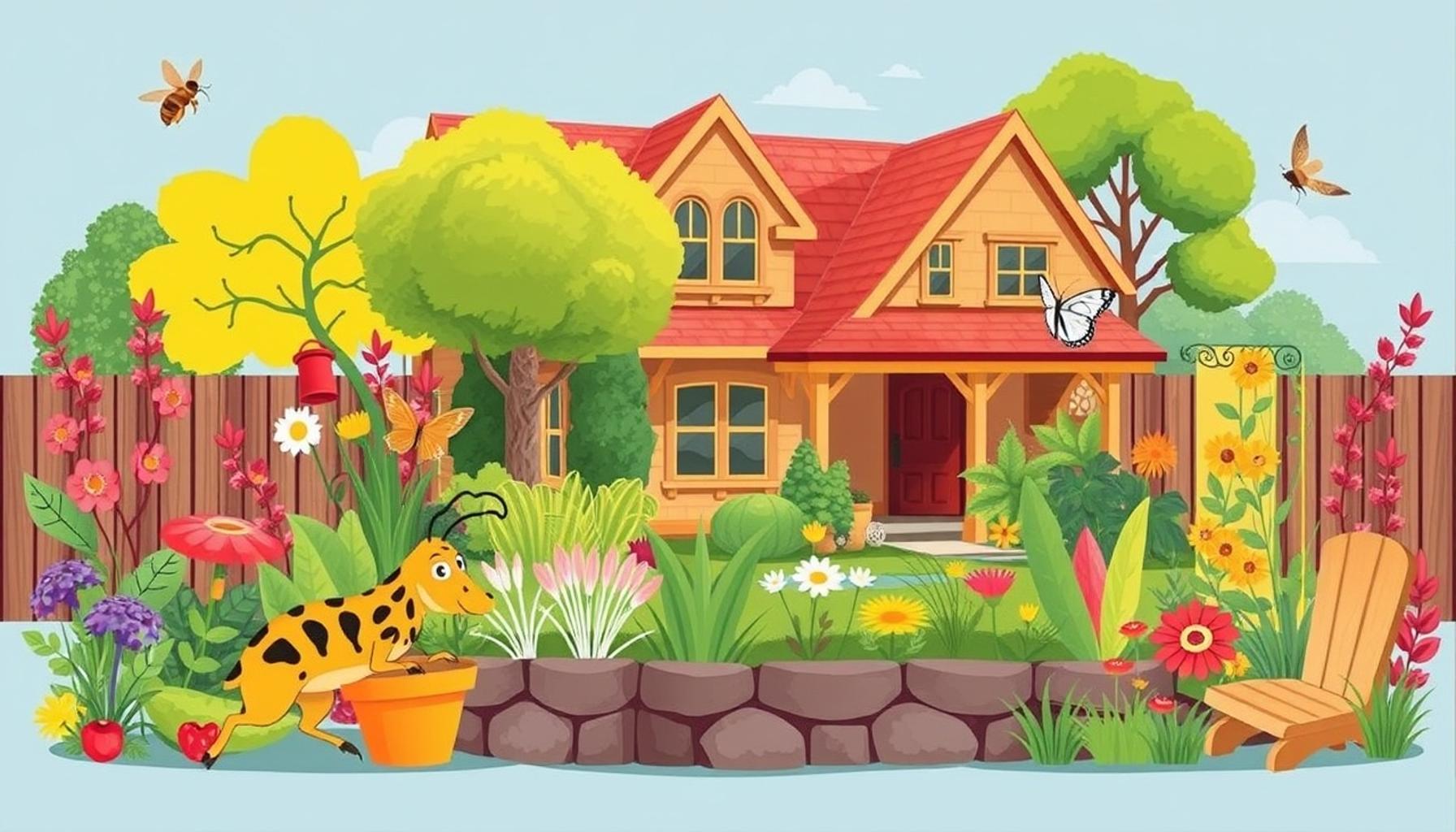
Every garden tells a unique story, shaped in part by the pests and wildlife that inhabit it. These creatures can dramatically influence the selection of plants and the overall layout of your home garden. Understanding their roles is essential for both beauty and sustainability. As we explore how these organisms interact with plants and each other, the importance of thoughtful design becomes increasingly clear.
Pest Management
Pest management is a crucial aspect of any garden design. While many insects are viewed with disdain, it’s important to recognize that some play advantageous roles. For instance, ladybugs, or ladybird beetles, feast on aphids—tiny plant-sucking insects that can compromise the health of various plants. By encouraging beneficial insects like ladybugs or lacewings to inhabit your garden, you can establish a natural pest control system. This technique not only reduces the need for chemical pesticides that could harm other wildlife, but it also fosters a healthier garden atmosphere.
Establishing Wildlife Habitats
Creating habitats for local wildlife can greatly enhance the ecological balance of your garden. Simple additions like birdhouses or butterfly gardens can attract crucial species. For example, a butterfly garden, consisting of nectar-rich flowers like milkweed and coneflower, can draw pollinators that not only add beauty but also improve the pollination of your plants. Moreover, providing water sources such as bird baths or small ponds can support a wider array of wildlife, contributing to a vibrant ecosystem that aids in plant growth.
Plant Choices and Native Species
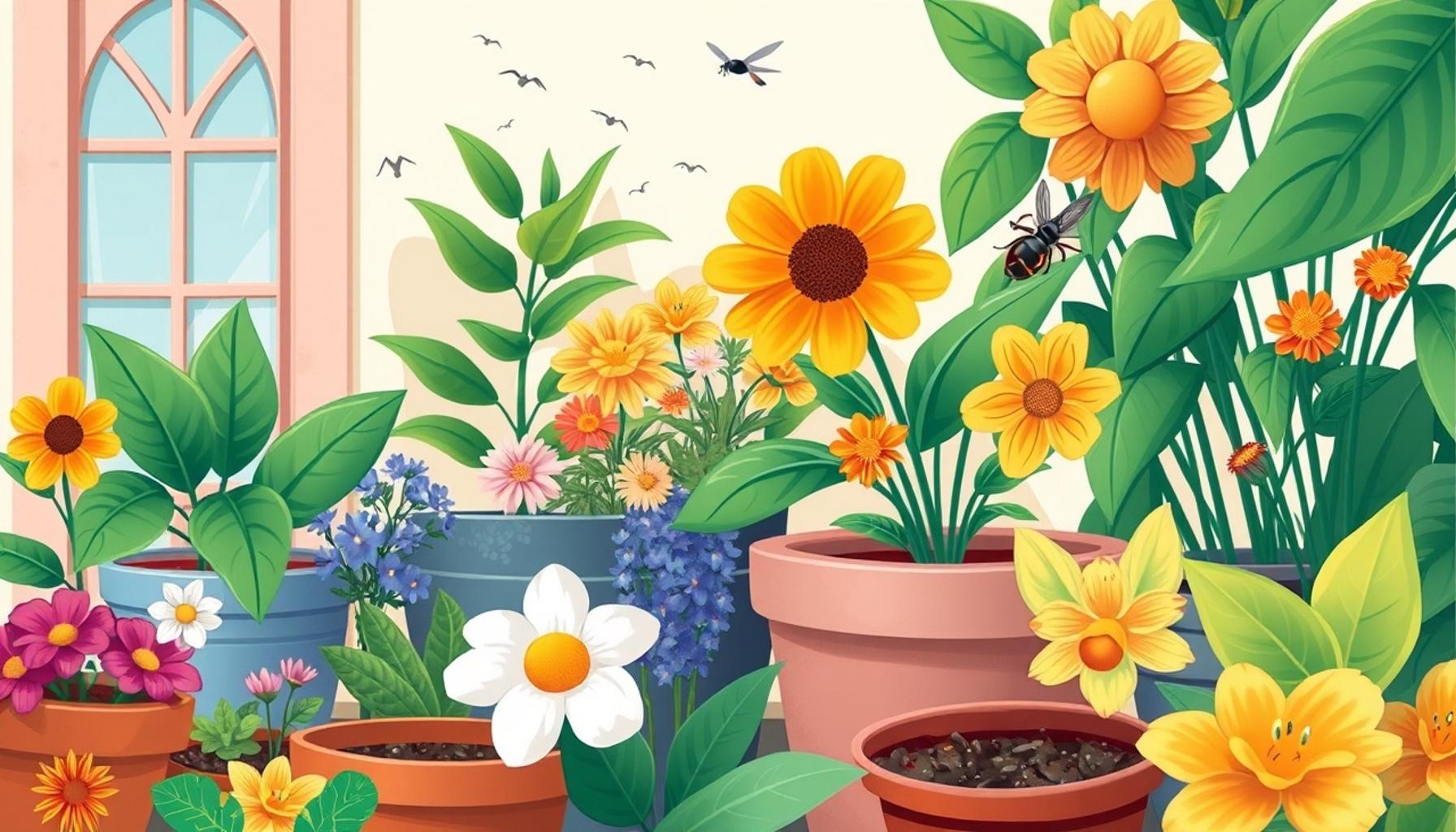
When selecting plants, choosing native species tailored to local climates and soils is remarkably beneficial. Native plants are resistant to local pests and diseases, meaning they require less maintenance and intervention. For example, incorporating flora such as Black-eyed Susans or Echinacea can create a lush landscape that thrives on its own while deterring invasive species that may otherwise disrupt the balance of your garden. Additionally, using organic mulch can help retain soil moisture and improve plant health, further enriching the mini-ecosystem you are cultivating.
The interaction between garden design and these organisms is a dance of adaptability and strategy. A thriving garden is not only a feast for the eyes but also a habitat that celebrates nature’s intricate balance. By learning how to harmonize with local wildlife and manage pest populations, you can create an inviting and healthy space that supports both personal enjoyment and environmental sustainability.
Join us as we explore various strategies, tips, and insights into how pests and wildlife can influence your home garden design in ways that may surprise you. Discover how to appreciate these creatures not merely as nuisances but as integral components of a vibrant and thriving garden ecosystem.
DISCOVER MORE: Click here for best practices on soil preparation
Pest and Wildlife Dynamics in Garden Planning
Understanding the relationship between pests and wildlife is essential for effective garden design. Both entities have the power to influence not just the choice of plants, but also the aesthetic and ecological balance of a garden. By analyzing these interactions, gardeners can cultivate spaces that not only flourish but also contribute to a broader environmental framework.
Adaptive Strategies for Garden Design
One of the most effective ways to design a garden that thrives amidst pest and wildlife pressures is to adopt adaptive strategies. Here are key approaches to consider:
- Integrated Pest Management (IPM): This holistic approach combines various strategies to suppress pest populations in an environmentally friendly manner. It includes monitoring for pests, using barriers to protect sensitive plants, and applying organic pesticides only when necessary.
- Companion Planting: This method involves planting specific plants together to improve growth and deter pests. For example, marigolds are known to repel nematodes, making them an excellent companion for tomato plants.
- Seasonal Rotation: Altering the location of certain crops each season can minimize the risk of pest infestations, as many pests are less likely to return to a different site where their favored plants were previously grown.
Employing these strategies can help create a healthier garden ecosystem, where plants flourish while minimizing harm to beneficial wildlife populations. The goal is to promote a symbiotic relationship rather than an adversarial one. For instance, by allowing plants that attract beneficial predators to coexist with susceptible crops, gardeners can harness nature’s own mechanisms for pest control.
The Beauty of Biodiversity
An undeniable benefit of embracing pests and wildlife in garden design is the promotion of biodiversity. A diverse garden not only attracts a wider range of fauna and flora but also creates a more resilient ecosystem. Here’s how you can encourage biodiversity in your home garden:
- Mixing Plant Varieties: Planting a variety of species can create habitats for different insects and wildlife, enhancing pollination and reducing pest outbreaks.
- Creating Micro Habitats: Incorporating features like logs, rocks, and mulch piles provides shelter for beneficial organisms, encouraging their presence.
- Planting in Layers: Using vertical gardening techniques can mimic natural ecosystems, allowing for different growth heights and attracting various species.
A garden rich in biodiversity does more than simply deter pests; it can lead to vibrant blooms, abundant yields, and the satisfying understanding that your space is contributing to the health of local ecosystems. The presence of wildlife not only adds to the garden’s aesthetic but also plays a crucial role in pollination and pest control, showcasing how nature and human design can harmonize beautifully.
Through thoughtful design that takes into consideration the influence of pests and wildlife, gardeners can transform their spaces into thriving, resilient ecosystems that offer aesthetic pleasure and ecological benefits alike. The more we understand and respect these natural interactions, the better equipped we are to create gardens that thrive in harmony with their environment.
| Category | Influence on Garden Design |
|---|---|
| Pest Control Methods | Utilizing non-toxic solutions such as natural repellents allows the incorporation of pest-resistant plants, enhancing both aesthetics and sustainability. |
| Wildlife Habitats | Designing with wildlife in mind, such as installing birdhouses or creating water sources, contributes to biodiversity and the overall health of the garden ecosystem. |
The relationship between pests and wildlife and home gardens is complex yet fascinating. Home gardeners often find themselves in a balancing act, where they must both nurture and protect their green spaces. By understanding how these natural elements interact with their gardens, homeowners can design more resilient landscapes. For instance, implementing pest control methods focused on organic solutions can lead to a healthier garden environment. In turn, the inclusion of native plants that deter pests not only beautifies the space but also encourages beneficial wildlife. This symbiotic relationship ultimately fosters a thriving ecosystem in the garden.Moreover, incorporating elements that support local wildlife, such as pollinator gardens, can increase flowering yields and help achieve food sustainability. Home gardeners are beginning to realize the potential benefits of creating natural habitats close to home, making informed garden design choices that harmonize with nature while promoting intrigue and enjoyment for all who experience the space.
DISCOVER MORE: Click here to learn about soil preparation essentials
Designing for Damage Control
While pests and wildlife can bring a wealth of benefits to a garden, they also pose challenges that need to be strategically managed. Gardeners must adopt proactive approaches to mitigate potential damage to their plants and preserve the garden’s integrity. Here are some considerations for designing a resilient garden:
Physical Barriers
Installing physical barriers is a practical way to protect vulnerable plants from pests and wildlife. Here are some effective barrier options:
- Row Covers: Lightweight fabric covers not only shield plants from insects but also provide protection from harsh weather conditions. Row covers can be particularly effective for early-season crops, allowing gardeners to extend their growing season.
- Fencing: Erecting fences can deter larger wildlife such as deer or rabbits from entering the garden. While the height and material of the fence depend on the local wildlife population, even a modest fence can serve as an effective deterrent.
- Mulching: Besides offering aesthetic value, mulching can create a barrier against certain pests like slugs and snails, while also retaining moisture in the soil and suppressing weed growth.
These barriers not only protect plants but also guide garden design by influencing plant placement and spacing. Understanding the specific threats from local pests and wildlife will aid in choosing the most effective protective measures for your garden layout.
Understanding Animal Behavior
Knowledge of local wildlife behavior is crucial for anticipating potential challenges in garden design. Different species exhibit distinct feeding habits and nesting preferences. For example:
- Birds: While many birds are beneficial for pest control, others can cause damage by pecking at ripening fruit. Gardeners can design bird-specific zones, using plant selections and feeders that invite helpful species while minimizing conflicts with fruit-bearing plants.
- Deer: Understanding browsing patterns of deer can help determine where to plant more deer-resistant species or strategically locate barriers. Varieties such as lavender or aromatic herbs are typically less appealing to deer.
- Insects: Beneficial insects such as ladybugs provide pest control, while harmful species like aphids can rapidly damage plants. Creating a habitat that lures pleasing pollinators and predators, such as bee hotels and native flowering plants, can enhance the benefits of biodiversity.
A deeper awareness of the local fauna encourages gardeners to make informed decisions about plant choice and layout, ultimately leading to a garden that coexists beautifully with its wildlife inhabitants.
Incorporating Edible Landscaping
The integration of edible plants into landscape design not only supports a sustainable approach to gardening, but also invites wildlife in a controlled manner. Here are some aspects to consider:
- Natives and Edibles: Choosing native edible plants can attract beneficial wildlife while minimizing susceptibility to invasive pests. For instance, planting elderberries or serviceberries can attract pollinators and provide a food source for local birds.
- Polyculture Gardens: Mixing edible plants with ornamental varieties increases diversity and makes the garden less attractive to pests. A polyculture approach also replicates natural ecosystems, fostering resilience against pest outbreaks.
- Permaculture Principles: Designing with permaculture in mind creates a self-sustaining garden. This can lead to a natural balance where pests are controlled, beneficial wildlife thrive, and diverse crops yield both beauty and sustenance.
By integrating these principles into garden design, homeowners can create spaces that encourage interplay among plants, pests, and wildlife. The result is a dynamic ecosystem serving both aesthetic enjoyment and essential ecological functions, reinforcing the interconnectedness of all elements within the garden.
DISCOVER MORE: Click here to learn about the best low-maintenance plants
Conclusion: Embracing Nature in Your Garden Design
Understanding how pests and wildlife influence home garden design is vital for creating a thriving outdoor space. While these elements can present challenges, they also offer numerous opportunities for gardeners to enhance their landscapes. By integrating strategies such as physical barriers, studying local wildlife behavior, and incorporating edible landscaping, homeowners can foster a resilient garden that supports both plant growth and beneficial wildlife interactions.
As we’ve explored, utilizing techniques like row covers and fencing not only protects plants but also informs the overall layout of the garden. Choosing plants that appeal to beneficial wildlife while repelling harmful pests is an essential part of sustainable garden management. Polyculture gardens and native edibles contribute to a balanced ecosystem, allowing gardeners to cultivate beauty and productivity while inviting nature to play its role.
Ultimately, a successful garden design lies in the delicate balance of aesthetics and ecology. By embracing the natural relationships between organisms and their environments, gardeners can achieve a harmonious space that not only flourishes but also resonates with the vibrancy of life. As you embark on designing your own garden, take a moment to observe the wildlife around you—every bird, insect, and plant has a story that can enrich your landscape. Through informed choices and a willingness to adapt, the challenges posed by pests and wildlife can transform into a garden filled with diversity, resilience, and beauty.