Layering Techniques: The Art of Creating a Healthy Soil Profile
Unlocking the Secrets of Soil Health
Creating a healthy soil profile is essential for productive gardens and sustainable agriculture. Among the most effective methods to achieve this is through layering techniques, a practice that adds depth and richness to the earth beneath our feet. By understanding and applying these techniques, gardeners can cultivate a thriving ecosystem right at home.
So, what are some key aspects of layering for soil health? Let’s delve deeper into the crucial components, benefits, and various approaches to layering that can transform your garden.
Components of Layering
- Organic Matter: Incorporating organic materials such as kitchen scraps, dried leaves, and grass clippings not only enriches the soil but also helps retain moisture. These organic materials break down over time, releasing vital nutrients.
- Mulch: A protective layer of mulch, made from wood chips, straw, or bark, conserves moisture and reduces weed competition. Not only does it mitigate erosion, but it also gradually improves soil fertility as it decomposes.
- Compost: Adding compost to the layered structure significantly boosts nutrient levels and microbial activity. Well-aged compost acts as a slow-release fertilizer, improving soil structure and enabling better root growth.
Benefits of Layering Techniques
The benefits of layering techniques extend beyond the immediate advantages for plants. By following these methods, gardeners can achieve:
- Improved Aeration: Layers allow for better airflow within the soil, crucial for healthy root development and microbial activity. Good aeration supports plant growth and resilience against diseases.
- Enhanced Nutrient Retention: The combination of organic matter and compost helps retain moisture and nutrients, meaning that plants can access resources more readily, leading to higher yields.
- Promoted Beneficial Microbial Activity: Healthy layers provide a thriving environment for beneficial microbes. These organisms play a key role in breaking down organic materials and making nutrients available to plants.
Effective Approaches to Layering
Various layering techniques can cater to different gardening styles and spaces. Two popular methods include:
- Lasagna Gardening: This method involves stacking various layers of organic materials in a way that mimics the natural decomposition process. You might begin with cardboard (to suppress weeds) and alternate layers of greens (nitrogen-rich materials like grass clippings) and browns (carbon-rich materials like dried leaves). Over time, this creates a nutrient-dense, fertile bed without heavy soil disturbance.
- S straw Bale Layering: Straw bales can serve as an innovative platform for growing plants while also enriching the soil. By moistening the bales and allowing them to decompose, the internal structure becomes a dynamic growing medium, rich in nutrients.
With the right combinations, your soil can transform into a fertile powerhouse. Each layer you add not only nurtures plants but also enriches the broader environment. By adopting these layering techniques, you can contribute to a sustainable gardening practice that benefits your local ecosystem while enjoying the bountiful harvest from your efforts. In the following sections, we will explore various layering techniques and their impact on soil health, guiding you on a path to environmental stewardship through your garden.
DISCOVER MORE: Click here to enhance your garden’s soil health
Understanding the Essentials of Layering Techniques
To fully grasp the art of creating a healthy soil profile through layering techniques, it is important to understand the foundational aspects that contribute to soil health. Layers play a pivotal role in building nutrient-rich, biologically diverse soil profiles that can sustain plant growth while enhancing the overall ecosystem. Let’s take a closer look at the principles that underpin effective layering techniques.
The Role of Each Layer
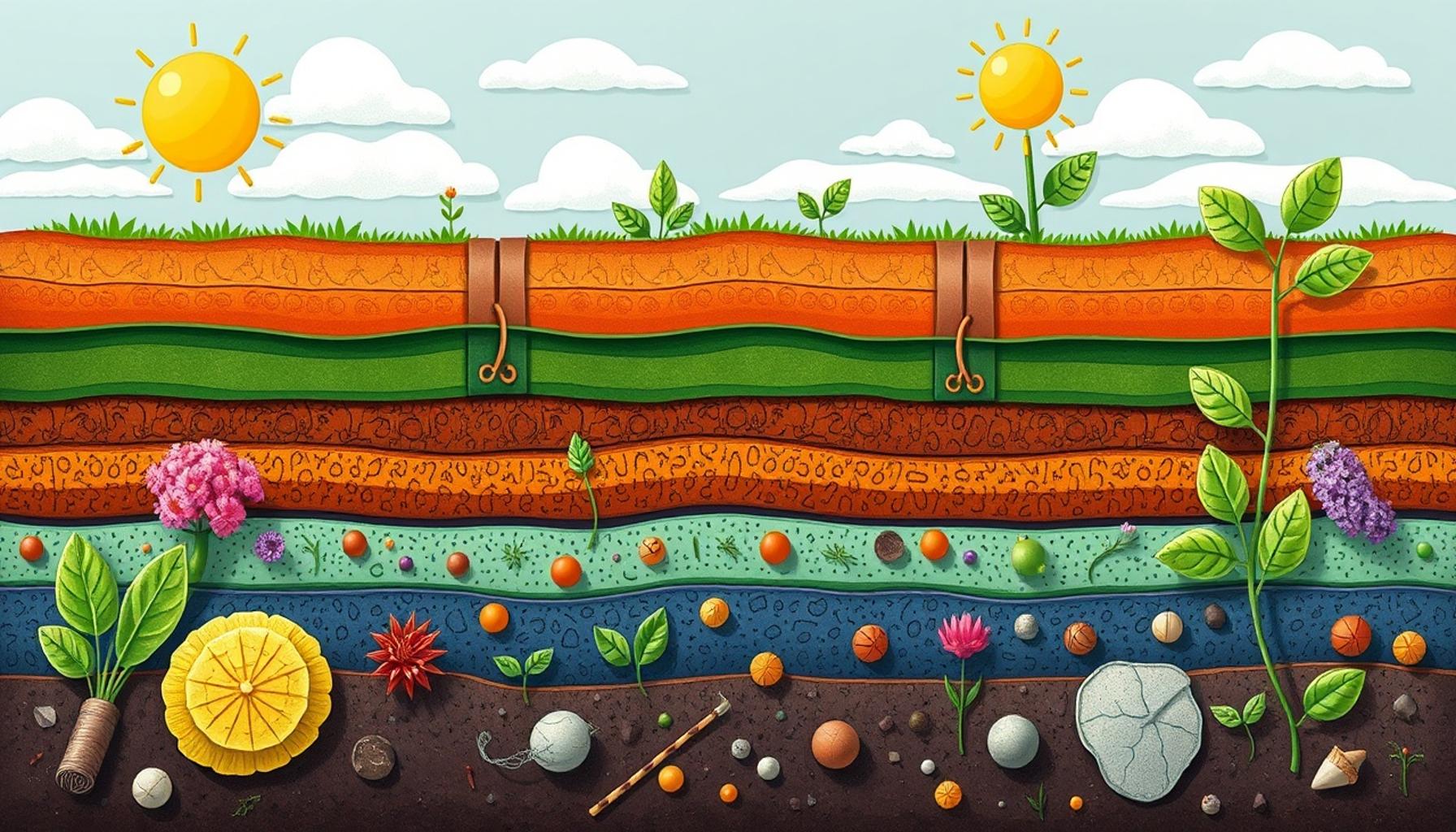
Each component of your soil layering strategy serves a unique purpose. Here are key layers to consider when crafting your soil profile:
- Base Layer: This foundational layer can consist of cardboard or newspaper, which inhibits weeds while allowing air and moisture to penetrate. This base serves a dual purpose by suppressing unwanted growth and adding organic matter as it decomposes.
- Nitrogen Layer: Following the base, vegetative materials that are high in nitrogen, such as grass clippings or vegetable scraps, should be added. Nitrogen is crucial for plant development, as it fosters lush, green growth and supports overall plant health.
- Carbon Layer: To balance the nitrogen-rich materials, incorporate carbon-based materials such as straw, dried leaves, or wood chips. This layer promotes microbial activity by providing energy for beneficial microorganisms while also enhancing the soil structure.
- Compost Layer: A generous application of well-decomposed compost not only contributes vital nutrients but also improves the soil’s moisture retention and aeration. Compost is teeming with beneficial microorganisms that can stimulate plant growth.
- Mulch Layer: Finally, a layer of mulch on top acts as a protective barrier against temperature fluctuations, moisture loss, and weed competition. As it breaks down, it continuously feeds the soil, enriching it further.
How Layering Enhances Soil Structure
Creating distinct layers in your soil offers several profound benefits that go beyond mere aesthetics. Through effective layering techniques, you can:
- Encourage Biodiversity: Each layer supports various organisms, from earthworms to beneficial fungi, creating a miniature ecosystem. This biodiversity is essential for a balanced soil food web, ultimately leading to healthier plants.
- Facilitate Water Retention: Layering materials help maintain soil moisture levels, preventing both waterlogging and drought stress. The organic matter holds onto water and releases it gradually, ensuring a consistent supply to plants during critical growth stages.
- Support Soil pH Balance: Different materials have varying pH levels. By carefully selecting your layers, you can create a more balanced soil environment, making it easier for plants to benefit from nutrient uptake.
Layering techniques are more than just a method of building soil; they are an art form that requires an understanding of nature’s complexities. By implementing these strategies, gardeners and farmers can cultivate not only healthy plants but also a resilient ecosystem that endures seasonal shifts and climate challenges.
In the upcoming sections, we will explore specific layering methods in more detail, examining how each can be employed to achieve distinct outcomes in soil health and productivity.
Exploring the Layering Techniques for Optimal Soil Health
The intricate art of crafting a healthy soil profile involves various layering techniques that harmonize the natural ecosystem within our gardens and farms. Understanding these methods can lead to improved soil productivity and sustainability. Firstly, one of the most effective layering techniques is the practice of mulching. By applying organic materials such as shredded leaves, straw, or compost on the soil surface, gardeners can enhance soil structure, retain moisture, and suppress weeds. It acts as a protective shield, minimizing erosion and temperature fluctuations that can adversely affect root systems.Next, incorporating cover crops plays a crucial role in layering techniques. These plants, grown chiefly to enhance soil health rather than for harvest, play vital roles in preventing soil compaction, reducing nutrient runoff, and improving soil fertility. For instance, legumes can fix nitrogen in the soil, which benefits subsequent crops.Moreover, the strategic placement of drainage layers can drastically improve soil health in areas susceptible to waterlogging. Utilizing coarse materials like gravel beneath finer soil helps ensure adequate water movement, preventing root rot and promoting aerobic microbial activity essential for nutrient cycling.When utilizing these layering techniques, it’s important to consider the unique characteristics of your soil. Soil texture, pH, and organic matter levels should guide your decisions on what materials to layer and how to implement them effectively. Knowledge of these factors can significantly equip both amateur and seasoned gardeners to cultivate a thriving soil profile that supports plant growth.The blending of these techniques forms a powerful approach to soil management that not only fosters plant health but ultimately contributes to environmental sustainability. Exploring further into layering techniques can lead to groundbreaking improvements in both yield and soil resilience, urging enthusiasts and professionals alike to experiment and discover new methods tailored to their specific landscapes.
| Category | Key Features |
|---|---|
| Mulching | Enhances soil structure, helps retain moisture, and suppresses weeds. |
| Cover Crops | Prevents soil compaction, reduces runoff, and enhances fertility, particularly with legumes. |
| Drainage Layers | Improves water movement, prevents root rot, and encourages aerobic conditions. |
This combination of practices illustrates the effective implementation of layering techniques that can lead to a rich, healthy soil profile, cultivating resilience and supporting diverse ecosystems for the future.
DISCOVER MORE: Click here to learn about soil pH management
Advanced Layering Methods to Boost Soil Health
As we delve deeper into the art of creating a healthy soil profile through layering techniques, it’s essential to explore some advanced methods that can enhance your gardening or farming practices. These techniques will further optimize your soil’s potential, leading to improved productivity and sustainability.
Lasagna Gardening: A Layered Approach
One of the most celebrated methods in the realm of layering techniques is lasagna gardening, which involves creating a garden bed with distinct layers akin to the culinary dish. This technique simplifies soil preparation and maximizes growth potential.
- Sheet Layer: Start with a base layer of cardboard or newspaper to block weeds and create a barrier that promotes earthworm activity. This layer will decompose over time, enriching the soil with organic matter.
- Green Material: Follow up with nitrogen-rich green materials like fresh grass clippings, vegetable scraps, and coffee grounds. These elements can generate heat as they decompose, further enhancing microbial activity.
- Brown Material: Layer in high-carbon brown materials, such as dried leaves, straw, or wood chips. This balance helps in the decomposition process while maintaining an aerated structure.
- Composting Layer: Integrate a layer of compost that acts as a nutrient powerhouse while improving soil texture and microbial diversity.
- Final Touch: A dressing of mulch on top retains moisture and regulates soil temperature, which are vital for promoting root health.
The beauty of this method lies in its adaptability; gardeners can customize their layers based on available materials, all while promoting an active biological community.
Hugelkultur: Bamboo and Logs
Another fascinating technique is hugelkultur, a method renowned for its sustainability and efficiency in water retention. This practice involves burying large decaying wooden logs and branches under layers of soil and organic matter.
- Wood Layer: Begin with logs as your main structure. The wood decomposes slowly, providing nutrients over an extended period while acting like a sponge that retains moisture.
- Organic Amendments: Alternate layers of leaves, grass clippings, and soil over the wood. This mixture ensures diverse microorganisms are active, aiding in the breakdown of materials and enhancing nutrient availability.
- Planting Layer: Finally, plant directly on top. The decomposing wood and organic materials create a nutrient-rich environment, ensuring that plants have an ample supply of nutrients throughout their growth cycle.
Hugelkultur is particularly advantageous for gardeners in areas prone to drought, as the moisture-retaining properties of buried wood can sustain plants through dry spells.
Deep Mulching: A Protective Shield
Consider embracing the deep mulching technique, which involves applying a thick layer of organic mulch (upwards of six inches) to garden beds. While this seems simplistic, it carries numerous benefits:
- Soil Temperature Regulation: Deep mulch can significantly regulate soil temperatures, promoting healthy root systems during temperature fluctuations.
- Moisture Retention: A substantial layer of mulch reduces evaporation and helps maintain consistent moisture levels in the soil, crucial during hot summer months.
- Weed Suppression: This method effectively blocks light, significantly reducing weed growth while allowing desirable plants to thrive.
Using deep mulching techniques not only provides immediate benefits for plant growth but also contributes to the long-term health of the soil, as organic materials break down and enrich the soil structure over time.
These advanced layering techniques provide exciting avenues for gardeners and farmers looking to cultivate a rich, diverse soil profile. As we navigate through these methods, it becomes increasingly clear that layering is a potent tool for fostering vibrant ecosystems that benefit both plants and soil health.
EXPLORE MORE: Click here for tips on selecting the perfect plants
Conclusion: Embracing the Art of Layering Techniques for Soil Health
In conclusion, the art of layering techniques is fundamental to crafting a healthy soil profile that sustains and enriches our gardens and agricultural landscapes. The methods explored, such as lasagna gardening, hugelkultur, and deep mulching, are not merely practices but revolutionary approaches that enhance soil composition and promote ecological balance. By implementing these strategies, gardeners and farmers alike can harness nature’s ability to rejuvenate soil, maximize moisture retention, and foster microbial diversity.
Each technique serves a unique purpose, whether creating a layered nutrient-rich garden bed, utilizing decaying wood for moisture retention, or effectively controlling weeds and temperature through deep mulch. These practices facilitate a rich interaction between soil organisms and plants, ensuring that roots thrive and crops yield abundantly. Furthermore, the adaptability of these methods allows for personalized implementations based on local conditions and available resources.
As we face global challenges such as climate change and food insecurity, understanding and adopting effective soil layering techniques becomes increasingly vital. Not only do they provide immediate rewards, but they also contribute to the long-term health of ecosystems and sustainable agriculture. Embrace the art of layering, and discover the transformative impact it can have on your soil—and ultimately, your entire gardening or farming experience. By investing in the health of your soil today, you are paving the way for future generations to enjoy the fruits of a well-nourished earth.