Must-Have Pest Control Tools for New Gardeners
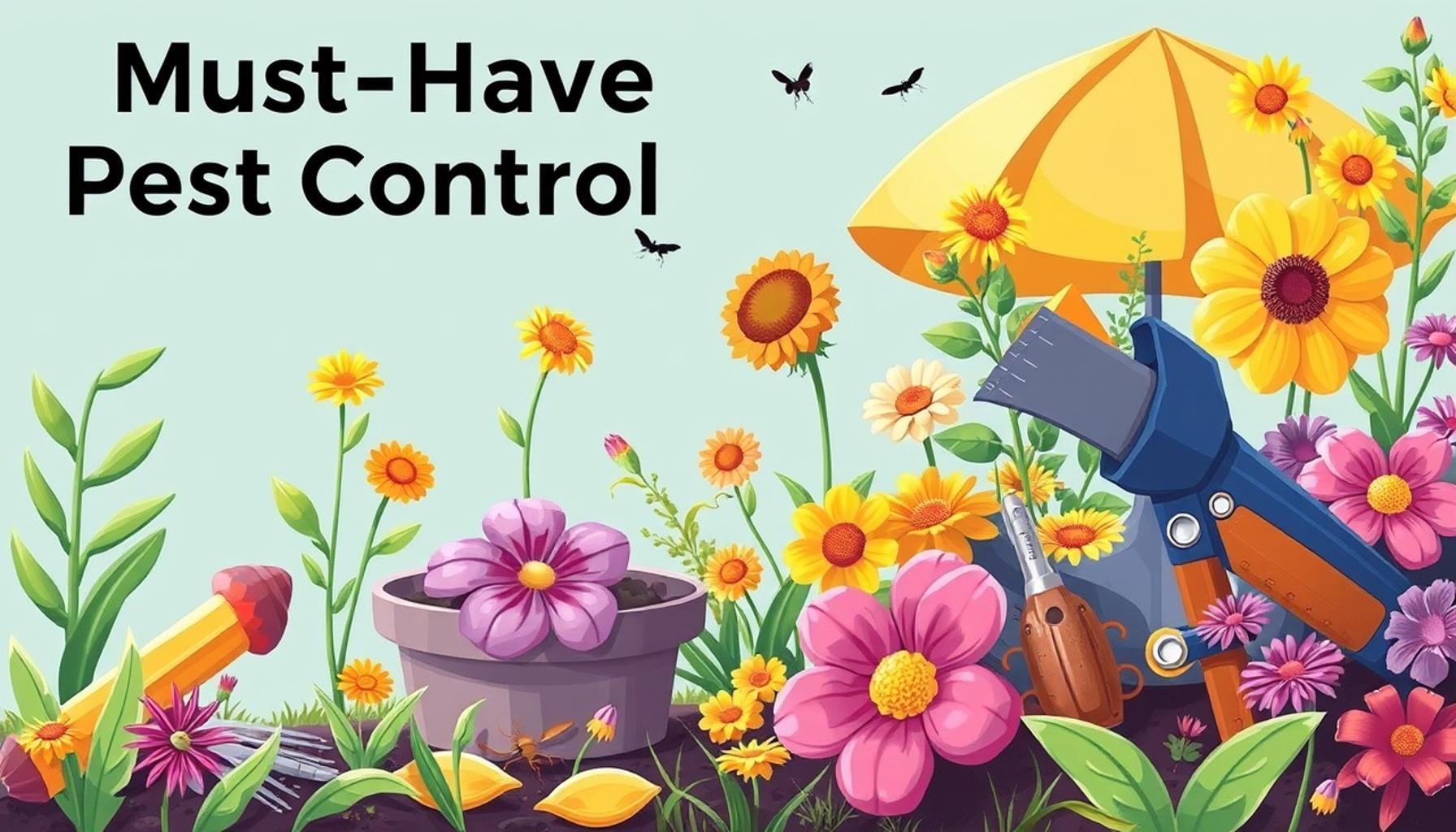
Essential Tools for Effective Pest Control
Starting a garden can be an exhilarating yet challenging adventure. As a new gardener, understanding the right pest control tools is crucial for protecting your plants and ensuring a thriving garden. With countless options available, knowing which tools to prioritize can make all the difference in your success.
Whether you’re sowing vegetables or cultivating flowers, effective pest management can save your garden from destructive infestations. Below are some must-have tools every new gardener should consider:
- Hand Sprayer: Perfect for applying insecticides or natural repellents, a hand sprayer can deliver targeted treatment to specific plants. For instance, products such as neem oil or insecticidal soap can be applied using a sprayer, making it easier to manage pests like aphids and spider mites without harming beneficial insects.
- Pest Traps: Simple yet effective for catching bugs, options include sticky traps that capture flying insects like whiteflies or moths, and bait traps that lure pests such as slugs or snails. These traps not only help monitor pest populations but can also reduce the need for chemical treatments.
- Row Covers: These provide a physical barrier, protecting plants from pests while allowing sunlight and water to reach them. Lightweight and breathable, row covers are particularly useful during the early growth stages to protect young seedlings from harsh conditions and pests like cabbage worms.
- Soil Test Kits: Understanding soil health can prevent pest issues before they arise. A soil test kit allows you to check nutrient levels and soil pH, helping you make informed decisions about amendments that could promote stronger, healthier plants less susceptible to infestations.
- Beneficial Insects: Introducing beneficial insects like ladybugs and lacewings can control pests naturally, providing an eco-friendly solution. These insects prey on common garden pests, reducing their populations without the need for synthetic pesticides, fostering a healthier ecosystem in your garden.
Equipped with the right tools, you’ll be well-prepared to tackle any pest challenge that comes your way. The journey toward a healthy garden is just beginning, and understanding these essentials will help you cultivate not just plants, but a love for gardening itself. A well-managed garden can thrive in harmony with nature, and exploring these tools is an important step toward sustainable gardening practices.
Additionally, as you consider these tools, take time to research local pest issues specific to your region in the United States. Different areas may have unique pests or challenges, and knowing about them can guide your choices in pest control. For instance, gardeners in the southeastern states may need to be particularly vigilant about aphids and whiteflies, while those in the Midwest might find themselves dealing with squash bugs or cucumber beetles.
Dive deeper into the specifics of each tool and their application to enhance your gardening experience. The knowledge gained will empower you to make informed decisions that will ultimately lead to a flourishing garden.
DISCOVER MORE: Click here for essential gardening tools
Key Tools to Enhance Your Pest Control Strategy
As you embark on your gardening journey, understanding the right pest control tools is vital to maintaining the health of your garden. Given the variety of pests that can threaten your plants, investing in the right equipment not only empowers you to manage infestations effectively but also minimizes potential damage. Let’s explore some fundamental tools that every new gardener should incorporate into their garden toolkit.
First and foremost, having a reliable hand sprayer is essential. This versatile tool allows you to deliver treatments directly to the afflicted areas, making it ideal for applying organic pesticides such as neem oil or insecticidal soap. The flexibility of a hand sprayer means you can precisely target problem areas without oversaturating the surrounding foliage, thus safeguarding beneficial insects like bees and ladybugs as well.
Why Pest Traps are a Gardener’s Best Friend
Another indispensable tool is pest traps. These simple devices provide a proactive approach to pest management by tracking and capturing troublesome insects. Sticky traps are extremely useful for detecting airborne pests like whiteflies or fungus gnats, while bait traps can effectively lure and capture slugs and snails. Utilizing traps not only helps in monitoring pest populations but also plays a significant role in reducing reliance on chemical treatments, creating a more sustainable garden environment.
Protecting Your Plants with Row Covers
As a new gardener, you may want to consider using row covers. These lightweight materials serve as protective barriers, shielding your plants from pests while allowing essential sunlight and moisture to reach them. Row covers are particularly beneficial during the early growth stages when seedlings are most vulnerable. This tool not only keeps pests like aphids and cabbage worms at bay but also aids in maintaining a more stable microclimate for your crops.
Understanding Soil Health with Test Kits
Moreover, understanding the health of your soil is a crucial step in preventing pest issues before they arise. A soil test kit can provide valuable insights into the nutrient levels and pH balance of your soil. By identifying deficiencies and making necessary amendments, you can cultivate stronger, healthier plants that are less susceptible to pest infestations. It’s an investment that pays dividends in overall plant vitality and resistance.
Lastly, consider the role of beneficial insects in your garden ecosystem. Incorporating these friendly allies can lead to a more natural approach to pest control. Beneficial insects such as ladybugs and lacewings not only feast on common pests like aphids but also contribute to a balanced ecological environment in your garden. By attracting or introducing these insects, you can reduce pest populations naturally, minimizing the need for synthetic pesticides.
Equipped with these essential tools, you’ll be better prepared to face any pest challenges that may arise in your gardening adventure. Each of these items plays a role in promoting a healthy garden, fostering not just plant growth but also a deeper connection to the gardening process itself.
| Tool Type | Description & Benefits |
|---|---|
| Insecticidal Soap | This eco-friendly solution effectively tackles soft-bodied insects like aphids and spider mites without harming beneficial insects. |
| Handheld Sprayers | Ideal for targeted treatments, these sprayers allow gardeners to apply solutions precisely where needed, minimizing waste and improving results. |
| Neem Oil | A natural pesticide, neem oil disrupts the lifecycle of pests while being safe for plants, making it a top choice for beginners. |
| Garden Trowel | Essential for any gardener, a quality trowel helps in precise weeding and applying pest control methods directly to affected areas. |
The incorporation of these pest control tools gives new gardeners a fighting chance against unwanted garden visitors. From eco-friendly options to targeted application methods, understanding how to use these tools effectively can lead to healthier plants and more successful garden yields. As the gardening community continues to share tips and techniques, new gardeners will find themselves better equipped to face the ongoing challenge of pest management.
DISCOVER MORE: Click here to learn how to choose the perfect plants for your garden
Essential Technologies for Modern Pest Management
In addition to the basic tools already discussed, as a new gardener, you should consider integrating advanced technologies into your pest control strategy. The gardening industry has seen a surge in innovative products that can simplify monitoring and management, enabling you to stay one step ahead of pest problems.
Utilizing Smart Pest Monitoring Systems
One of the most exciting developments is the use of smart pest monitoring systems. These high-tech devices, equipped with sensors and cameras, can alert you about pest activity in real-time. For instance, some systems send notifications directly to your smartphone when they detect movement in your garden, allowing you to take immediate action. This approach enables you to tackle pest infestations early and minimize damage. Plus, many of these systems can integrate with weather forecasts, helping you prepare for conditions that might encourage pest outbreaks.
The Role of Organic Treatments
As your gardening skills grow, you’ll likely explore organic pest treatments, and adding a garden sprayer nozzle attachment can enhance your application technique. Adjustable nozzles allow for a fine mist or a targeted stream, providing versatility when applying natural solutions such as garlic spray or diatomaceous earth. This customization ensures that your treatments are effective while minimizing environmental impact. Access to natural pesticides not only aligns with sustainable practices but can also be safer for your pets and children.
Understanding Integrated Pest Management (IPM) Tools
Another key approach is to familiarize yourself with Integrated Pest Management (IPM) tools. IPM combines different management methods to control pests in an environmentally and economically sound way. Tools such as compost tea brewers enable you to enhance your soil health, which can strengthen plant resilience to pests. Moreover, plant rotation guidelines help disrupt pest life cycles by changing the location of crops each season, reducing the chances of repetitive infestations.
Creating a Pesticide Application Kit
For those instances when it becomes necessary to apply chemical treatments, having a pesticide application kit is crucial. This kit should include items such as gloves, goggles, and a mask to ensure personal safety while handling chemicals. Furthermore, a clearly labeled storage container for your pesticides is essential for organization and to prevent accidental misuse, especially in households with children or pets. It is also advisable to keep a garden journal documenting when and where treatments were applied, which can guide you in future applications and help you learn from your gardening experiences.
The Power of Research and Local Resources
Finally, don’t underestimate the value of local resources. Consider visiting local extension services or agricultural universities for workshops or informational sessions on pest control. Engaging with local gardening communities—both online and offline—can provide you with practical advice tailored to your regional climate and pest challenges. Many local nurseries also offer integrated pest management advice based on the specific pests prevalent in your area.
Incorporating these tools and strategies into your garden can lead to healthier plants and a more rewarding gardening experience. The adventure of gardening brings its challenges, but with the right tools in your arsenal, you can navigate pest control more efficiently and successfully.
DISCOVER MORE: Click here to learn about the importance of soil testing kits
Conclusion: Embracing Pest Control for a Thriving Garden
As new gardeners embark on their journey into the world of horticulture, understanding and utilizing the right pest control tools is paramount for nurturing healthy plants and fostering a vibrant ecosystem. By equipping yourself with essential items such as detection traps, sprayers, and organic treatments, you can effectively manage pest populations while minimizing harm to beneficial insects and the surrounding environment.
Moreover, integrating advanced technologies like smart pest monitoring systems and practicing Integrated Pest Management (IPM) will not only enhance your pest management strategy but also promote sustainable gardening practices. This multifaceted approach encourages early intervention, reduces chemical reliance, and aligns with environmentally conscious gardening goals.
Crucially, engaging with local resources and communities can significantly enhance your understanding of pest control tailored to your specific regional challenges. By sharing knowledge and experiences, you will be better equipped to face infestations, making your gardening journey both enjoyable and successful.
Ultimately, in the quest for a flourishing garden, an informed gardener with the right tools can overcome challenges and reap the rewards of their labor. Embrace these must-have pest control tools to cultivate not just plants, but a thriving garden ecosystem that can be admired and cherished for years to come.