Native Plants for Sustainable Gardening: A Guide for New Gardeners
The Benefits of Native Plants in Gardening
Diving into gardening can often feel like stepping into a new world filled with possibilities and challenges. For novices, understanding the intricacies of plant selection can be daunting. However, embracing native plants can transform the gardening experience into a practical and gratifying endeavor that enriches both the gardener’s life and the environment. Native plants, by their very nature, are those that have adapted to the local climate, soil, and wildlife, and they play a crucial role in promoting ecological balance.
Advantages of Choosing Native Plants
One of the most compelling reasons to incorporate native plants into your garden is their low maintenance requirements. Adapted to the specific climate and soil conditions, these plants typically need less watering, reducing the effort and resources associated with traditional gardening. For instance, native grasses like Little Bluestem, commonly found in the Midwest, are drought-resistant and require minimal upkeep once established.
Another significant benefit of native planting is the biodiversity support they provide. By using native flora, gardeners create habitats that are essential for local wildlife. These plants are integral to the food web, supplying both nectar to pollinators like bees and butterflies, and seeds or fruits for birds and other creatures. In areas like the Southeast, for example, the Butterfly Weed not only attracts a variety of butterflies but also is a critical host plant for the larval stages of the iconic Monarch butterfly.
Furthermore, native plants exhibit pest resistance, making them less susceptible to local pests and diseases. For homeowners who prefer to limit chemical usage in their gardens, this trait can significantly decrease the need for pesticides, ultimately leading to a healthier ecology. The Blue Flag Iris, native to wetlands in the Eastern United States, can flourish with minimal intervention, allowing it to thrive despite the presence of common garden pests.
Examples of Native Plants Across the U.S.
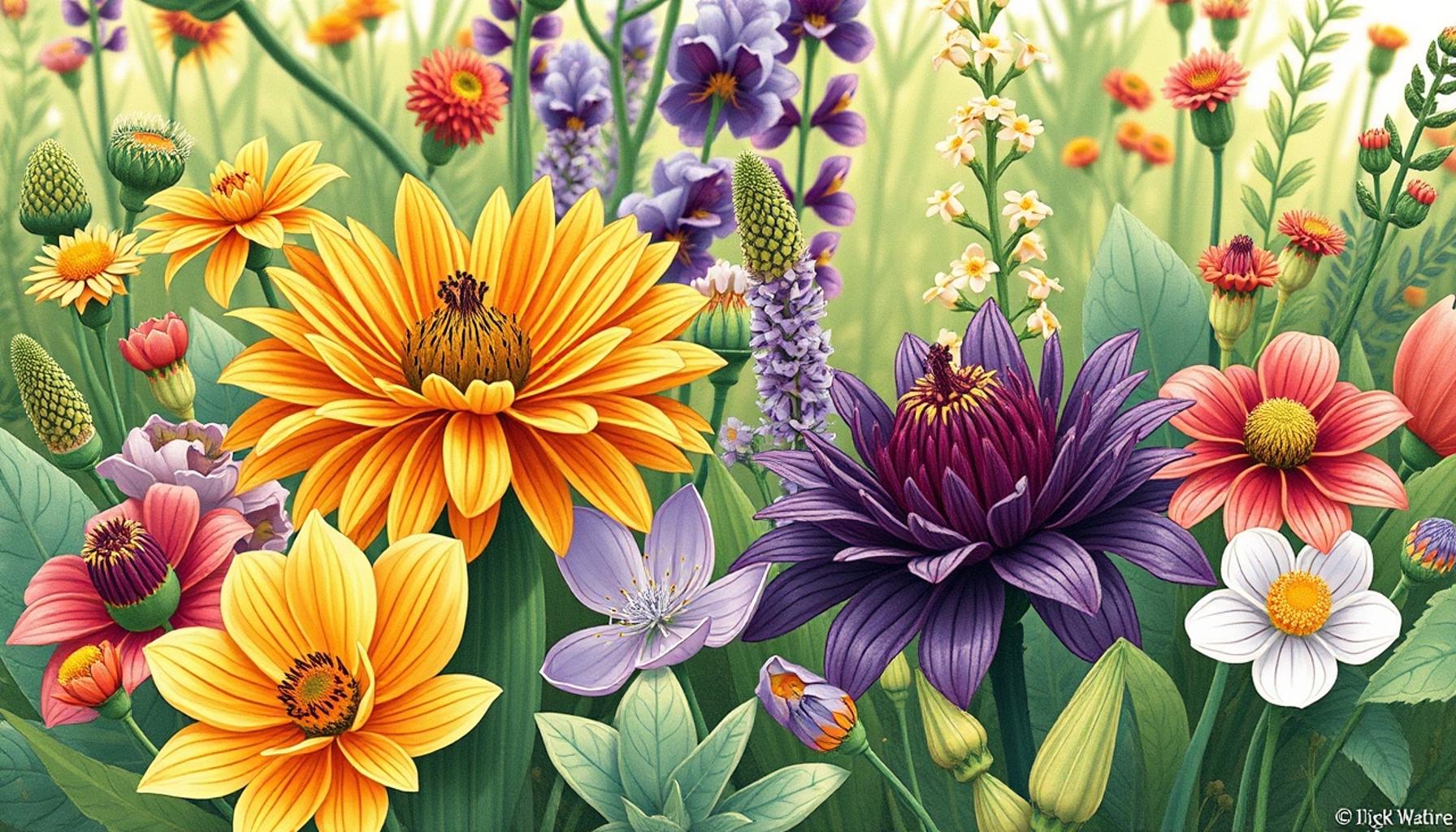
Exploring the vast array of native plants across the United States not only adds aesthetic value to gardens but also connects gardeners to their regional heritage. On the East Coast, the Eastern Redbud is a striking small tree that blooms with vibrant pink blossoms in early spring, creating a stunning focal point. On the West Coast, the California Poppy dazzles with its golden hues, making it California’s state flower and a symbol of the region’s natural beauty. Meanwhile, the Black-eyed Susan thrives throughout the Midwest, offering bright yellow blooms that attract various pollinators.
By selecting native plants for your garden, you can create a stunning landscape that not only enhances your surroundings but also contributes positively to the local ecosystem. This guide invites you to delve deeper into the world of native flora, revealing best practices and choices that will enable you to cultivate a thriving, sustainable garden. The journey into sustainable gardening with native plants promises not just visual delight but also a rewarding relationship with nature.
DISCOVER MORE: Click here for expert tips
Getting Started with Native Plants
As new gardeners embark on their green journey, the first step is often selecting the right plants for their specific environment. By choosing native plants, gardeners can effortlessly align their garden with local conditions, contributing to a sustainable ecosystem while minimizing personal effort. Understanding the characteristics of these plants can pave the way for success and a profound appreciation of nature’s resilience.
Understanding Your Local Ecosystem
Before diving into native planting, it’s essential to familiarize yourself with the local ecosystem in your area. Each region across the United States boasts a unique set of environmental conditions, including soil type, climate, and local wildlife, which influence what plants will thrive. Start by identifying if you reside in the arid Southwest, the lush Southeast, or the temperate Northeast, as this knowledge will guide your selections.
Additionally, consider factors such as sunlight and moisture levels in your garden space. Some native plants flourish in full sun, while others prefer shaded or damp areas. Gaining insight into these environmental aspects will enable you to select plants that not only survive, but thrive in your garden, enhancing overall biodiversity. Here are some vital questions to ask yourself:
- What is the soil type in my garden (sandy, clay, loamy)?
- How much sunlight does my garden receive throughout the day?
- What are the prevailing moisture levels (dry, average, wet)?
- What local wildlife frequents my area?
Planning Your Native Garden Design
Designing a native plant garden allows for creativity while being grounded in ecological principles. Consider incorporating a mix of different plant types, such as perennials, shrubs, and grasses, to create a layered effect that resembles natural ecosystems. For example, in the Pacific Northwest, pairing the Red-Twig Dogwood with Western Sword Fern not only adds visual interest but also mimics local habitats, attracting beneficial insects and birds.
Moreover, incorporating a variety of flower shapes and bloom times can provide continuous support for pollinators throughout the growing season. For instance, plants like Bee Balm and Echinacea bloom in the summer, while Aster offers late-season color, ensuring that essential pollinators find a steady source of nectar.
Resources for Choosing Native Plants
To make informed decisions about which native plants best suit your garden, several resources are available. Local extension services, gardening clubs, and botanic gardens often provide valuable native plant lists and gardening workshops. Online platforms, such as the National Wildlife Federation and Native Plant Societies, also serve as excellent starting points for information on regional native flora. By tapping into these resources, new gardeners can cultivate a thriving, sustainable garden that honors the local ecosystem.
In conclusion, embarking on your journey into sustainable gardening with native plants offers an abundance of opportunities to strengthen your connection to the earth. By understanding your local ecosystem, planning thoughtfully, and utilizing available resources, you set the stage for a prosperous gardening experience that benefits both you and the environment.
Continuing with the exploration of “Native Plants for Sustainable Gardening: A Guide for New Gardeners,” it is crucial to understand the myriad benefits that native plants offer, not only to gardeners but also to the local ecosystem. By choosing native species, gardeners can promote biodiversity, conserve resources, and create vibrant habitats that support wildlife.One of the strongest advantages of employing native plants in your garden is their adaptability. These plants have evolved over time to thrive in local climates and soil types, meaning they often require less water and fewer fertilizers compared to non-native species. This leads to a more sustainable gardening approach, significantly reducing both water usage and chemical runoff. Furthermore, many native plants exhibit natural resistance to local pests and diseases, diminishing the need for pesticides that can harm the environment.In addition to their ecological benefits, native plants harbor distinct advantages for local wildlife. Birds, bees, butterflies, and other pollinators rely on native vegetation for food and habitat. By cultivating a garden rich in native flora, gardeners can support these essential species, encouraging healthy ecosystems. For instance, plants like coneflowers and milkweeds are not only beautiful but are vital for sustaining migratory birds and struggling pollinator populations.Moreover, native plants can provide a stunning aesthetic to your garden. With diverse colors, textures, and scents, gardening with native species allows for the creation of breathtaking landscapes that flourish throughout the seasons. Many native plants bloom at different times of the year, ensuring that your garden remains vibrant and alive even in the cooler months.In summary, integrating native plants into your sustainable gardening practices is not just about aesthetic appeal; it’s a powerful step towards fostering a healthier environment. As you explore the bountiful options available in your region, consider how each plant can serve both your gardening ambitions and the greater ecological community.
LEARN MORE: Click here for essential gardening tools
Maintenance and Care for Native Plants
Once your native garden is established, understanding how to care for these plants is crucial to ensuring their longevity and health. Native plants are often more resilient and adapted to their local environment, typically requiring less water and fewer chemical interventions than non-native varieties. However, they do still need some level of care, particularly in the initial stages of growth.
Watering and Irrigation Practices
While native plants can withstand local climate conditions, they will benefit from regular watering, especially during extremely dry spells or when they are first planted. It’s essential to establish a deep watering routine rather than frequent shallow watering, as this practice encourages deep root growth, which is vital for drought resistance. A general rule of thumb is to water newly planted natives once a week for the first few months, gradually tapering off as they become established.
Consider implementing rainwater harvesting methods or drip irrigation systems to further enhance water efficiency in your native garden. This not only reduces water waste but also creates a sustainable watering ecosystem that can significantly lower your garden’s ecological footprint.
Weed Management Strategies
A common concern for new gardeners is managing weeds, which can compete with native plants for nutrients and water. Fortunately, the initial establishment phase of native plants can be bolstered by proper planning. When preparing your garden bed, layering organic mulch—such as shredded bark or straw—can suppress weed growth while retaining moisture in the soil.
Regular monitoring is essential, as some invasive weeds may still emerge. Hand-pulling is often the most effective method for controlling weeds, particularly in smaller gardens. Using landscaping fabric is another tactic, but it should be noted that this can disrupt soil health if not maintained properly.
- Keep soil covered with mulch to suppress weeds.
- Monitor for invasive species and remove them promptly.
- Consider companion planting to deter weed growth naturally.
Pest and Disease Management
Another advantage of cultivating native plants is their innate resistance to local pests and diseases. Native flora has evolved alongside regional fauna, creating a natural balance that often makes them less susceptible to infestations. However, it’s important to remain vigilant and observe any unusual changes in plant health.
Employing integrated pest management (IPM) strategies can also help protect your garden without harmful chemicals. For example, introducing beneficial insects like ladybugs or lacewings can effectively control aphid populations without interfering with the ecosystem. Additionally, maintaining plant diversity in your garden can help keep pest populations under control, as various plants attract different pollinators and other beneficial organisms.
Seasonal Care and Fall Preparation
Seasonal care is vital for sustaining the health of your native plants. During fall, consider cutting back perennials like Black-Eyed Susans and Milkweed to promote tidy growth in spring while leaving some seed heads for birds and other wildlife. Also, ensure your plants have adequate space to breathe by dividing overcrowded specimens in early spring or late fall.
By implementing these maintenance strategies, new gardeners can create a self-sustaining habitat that continues to thrive year after year. Through simple yet consistent care, native plants can flourish, providing beauty and ecological benefits to your surroundings. Whether it’s supporting local pollinators or conserving water, the impact of a native garden runs deep, playing a significant role in the overall health of the environment.
DISCOVER MORE: Click here to learn about mulching benefits
Conclusion
In summary, native plants are not just beautiful additions to the garden, but essential allies in promoting sustainability and biodiversity. For new gardeners, the journey toward creating a thriving native garden begins with understanding the unique characteristics and benefits native species offer. From low water requirements to natural resistance against local pests, these plants are often better suited for the local environment compared to their non-native counterparts.
By adopting mindful gardening practices such as proper watering, effective weed control and integrated pest management, new gardeners can foster a verdant landscape that supports local wildlife, including important pollinators like bees and butterflies. Furthermore, creating a garden that prioritizes sustainability translates into tangible ecological benefits, such as improved soil health and enhanced water conservation.
As you take the first steps in your gardening adventure, remember that patience and observation are key components of success. Embrace the beauty of diversity—adapting your garden to include a variety of native species will not only make it visually striking but also ecologically robust. There is a growing community of gardeners devoted to this cause; connect with local gardening groups or online forums to share experiences and knowledge.
Ultimately, by choosing native plants and implementing sustainable gardening techniques, you can create an oasis that contributes positively to your local ecosystem, while beautifying your own backyard. Take the plunge, explore the vast array of native plants available, and witness how your gardening efforts can truly make a difference. Happy gardening!