The Benefits of Using Raised Garden Beds for Beginner Growers
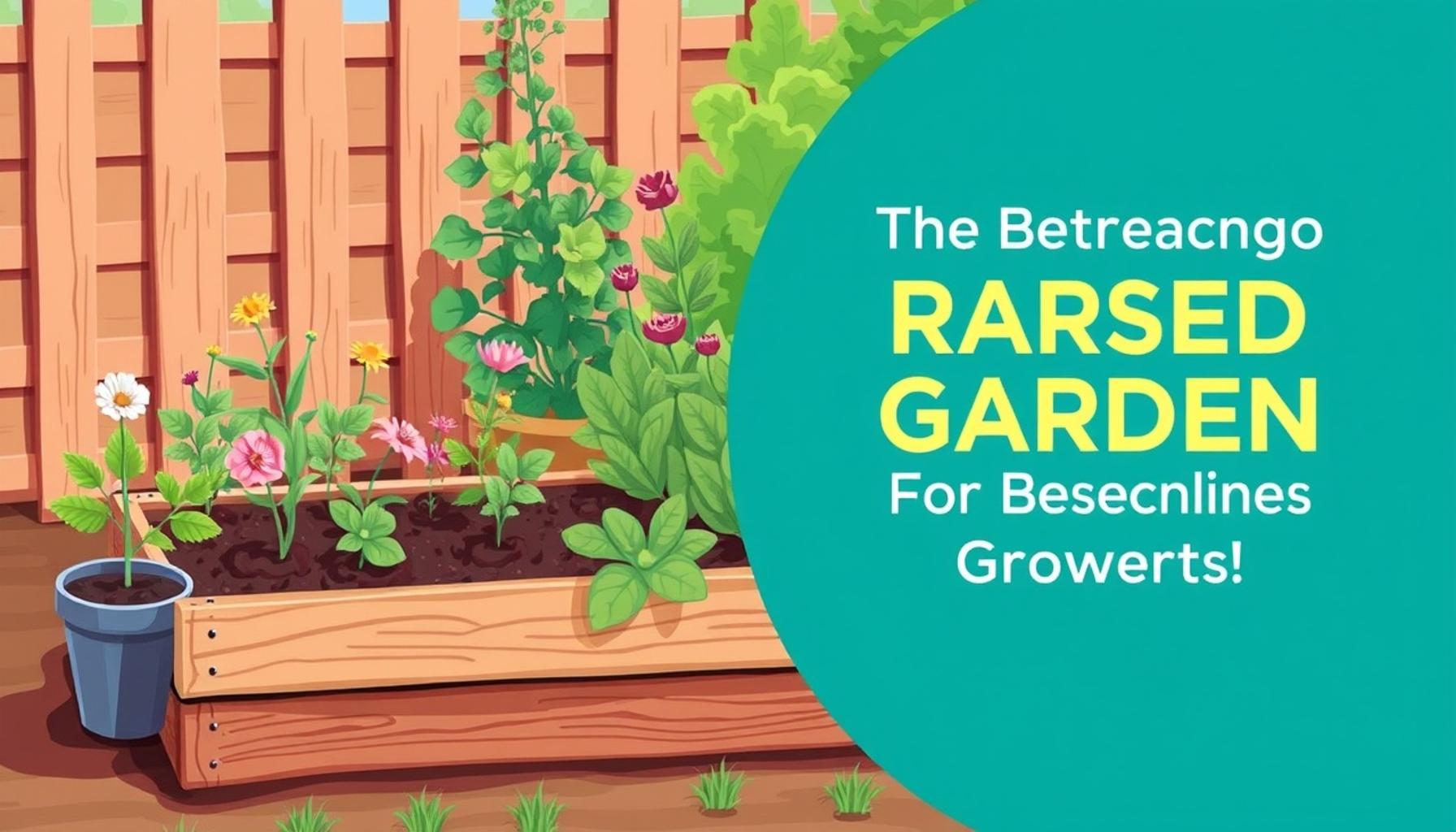
Discovering the Advantages of Raised Garden Beds
For aspiring gardeners, starting a garden can feel overwhelming. Raised garden beds offer a practical solution, making gardening accessible and enjoyable for beginners. Here’s why many new growers are turning to this gardening method.
- Improved Soil Quality: Raised beds allow you to create a custom soil mix tailored for specific plants. By blending compost, topsoil, and organic matter, gardeners can enhance nutrient availability, ensuring that plants receive essential minerals and nutrients. This custom approach can lead to healthier plants with better yields, making it ideal for growing nutrient-sensitive crops like tomatoes, peppers, or greens.
- Better Drainage: One of the key advantages of elevated planting is that excess water drains away quickly. This is particularly important in areas prone to heavy rainfall. For instance, regions in the Midwest, which sometimes face flooding, can greatly benefit from raised beds that keep roots dry and healthy by preventing root rot—an issue that can devastate a garden in wet conditions.
- Control Over Weeds: With raised garden beds, there is less competition from weeds, which often thrive in traditional garden setups. By minimizing soil disturbance and using mulch, gardeners can drastically reduce maintenance time while increasing yield. This may encourage novice gardeners who may feel daunted by the prospect of weeding to easily manage their plots.
Not only do raised beds provide practical benefits, but they also create visually appealing gardening spaces. They can be built to any size or height, making them adaptable for various user needs, including accessibility for those with mobility issues. For example, taller raised beds allow individuals in wheelchairs to garden comfortably without bending over, promoting inclusivity in horticulture.
Furthermore, raised garden beds can enhance the growing conditions across various climates in the United States. They warm up faster in the spring, extending the growing season. This feature is especially advantageous in regions with shorter summers, like the northern states, where gardeners can plant earlier in the year and harvest longer into the fall.
As you dive deeper into gardening, consider how raised beds could transform your gardening experience. They not only streamline the gardening process but also create a more enjoyable and productive environment. With numerous benefits tailored for beginners, it’s time to explore what raised garden beds have to offer in your own backyard.
DISCOVER MORE: Click here to learn effective soil preparation techniques
Why Raised Garden Beds are Perfect for New Gardeners
Choosing to start a garden can be an exciting yet daunting venture, particularly for beginners. One of the most significant advantages of raised garden beds is their user-friendly nature, tailored to simplify gardening for novices. This section will delve into several compelling reasons that make raised beds an ideal choice for those just getting their green thumbs wet.
- Easy Access: Raised garden beds elevate your plants to a more comfortable height, reducing the strain on your back and knees. For beginners who may not have extensive gardening experience, this user-friendly design encourages more interaction with the plants without the physical exhaustion that often accompanies traditional gardening. The height also becomes a practical solution for individuals with mobility challenges, allowing everyone to enjoy gardening.
- Defined Growing Space: Defined and limited space in a raised garden bed helps beginners easily visualize their gardening efforts. It encourages a structured approach—perfect for those who might feel overwhelmed by vast garden areas. This control over space allows for better planning and organization, leading to a fruitful gardening experience.
- Pest Control: Raised beds can also deter some common garden pests. The elevation helps keep some pests away from plants, while the confined structure provides easier monitoring and management. For new gardeners, learning to identify pests and their impacts can be a significant hurdle; however, raised beds can minimize these challenges, fostering a more enjoyable growing season.
- Soil Temperature Regulation: Did you know that raised boxes can naturally warm soil more effectively than ground-level gardens? This is especially pertinent in colder climates where night temperatures can drop significantly. The soil inside a raised bed absorbs heat from the sun more quickly, allowing for earlier planting and longer growth periods. This feature provides a significant advantage in states with shorter growing seasons, such as North Dakota or Minnesota.
- Minimal Soil Compaction: One common issue faced by gardeners is compacted soil, which impedes root growth and reduces aeration. With raised garden beds, there’s no need to walk on the planting area, allowing the soil to maintain its structure and ultimately promoting healthier roots. This benefit is particularly crucial for beginners, who may not yet have the extensive knowledge of soil management techniques.
The plethora of advantages that raised garden beds offer can simplify the learning curve associated with gardening, turning what can be an intimidating process into a satisfying and productive adventure. As more beginners recognize these benefits, it’s clear why this method has gained popularity among new growers across the United States.
| Category | Benefits |
|---|---|
| Improved Soil Quality | Raised garden beds allow for the addition of customized soil mixtures, promoting better drainage and fertility. |
| Easier to Manage | The elevated height of raised beds minimizes the need for bending over, making watering, weeding, and harvesting more convenient for beginner growers. |
| Enhanced Pest Control | Raised beds are less accessible to certain pests, lowering the risk of insect infestations. |
| Extended Growing Season | The soil in raised beds warms up faster in the spring, allowing for earlier planting and potentially a longer harvest period. |
Strongly considered by novice gardeners, raised garden beds offer a versatile solution to common gardening challenges. Whether it’s the convenience of caring for plants or the ability to control soil conditions, the advantages are manifold. Explore the potential of your green thumb with enhanced gardening practices that yield delightful results!
LEARN MORE: Click here to discover how your local climate impacts gardening
Environmental and Economic Advantages of Raised Garden Beds
Beyond their user-friendly design, raised garden beds offer numerous environmental and economic benefits that align with the values of many beginner gardeners. As more people gravitate towards sustainable gardening practices, raised beds can play a significant role in fostering a greener approach to growing food and plants.
- Improved Soil Quality: One of the major benefits of using raised garden beds is the opportunity to control the soil quality. Beginners get to choose the best soil amendments to enhance nutrient richness. Topsoil can be mixed with compost or organic matter, creating a fertile environment conducive to plant growth. This not only enriches the immediate growing environment but also contributes to better long-term sustainability by minimizing the need for chemical fertilizers.
- Water Efficiency: Another advantage raised garden beds offer is enhanced water retention. The elevated soil structure allows for improved drainage, preventing waterlogging that can occur in traditional garden plots. Additionally, it encourages more efficient watering practices—whether through a drip irrigation system or natural rainfall. New gardeners often struggle with irrigation techniques, but raised beds can simplify this process and help conserve water resources in drought-prone areas like California or Texas.
- Season Extension: Raised beds enable gardeners to extend their growing season, an appealing feature for beginners eager to see successful results. By using black plastic or row covers over the beds, new gardeners can trap heat, allowing for earlier spring planting and later fall harvesting. This is particularly useful for those living in regions with unpredictable weather or shorter growing seasons, like the Northeast or Upper Midwest.
- Promoting Biodiversity: Raised garden beds can be designed to accommodate a variety of plants, encouraging biodiversity in urban or suburban settings. Beginner growers can easily mix ornamental and edible plants within beds, creating eco-friendly habitats for pollinators and other beneficial insects. This contributes positively to local ecosystems while also enhancing the visual appeal of the growing space.
- Cost-Effective Gardening: Investing in raised garden beds can lead to long-term financial savings for beginner gardeners. By effectively growing their own fruits and vegetables, novices can reduce grocery bills while enjoying fresh produce right from their backyard. Utilizing recycled materials or locally sourced wood can further lower the costs of building these beds, making gardening more affordable and accessible.
As the interest in gardening continues to grow, particularly among beginners seeking self-sufficiency and sustainability, the multifaceted benefits of raised garden beds stand out. From enhancing environmental literacy to promoting healthier food choices, these structures not only support new growers but also contribute positively to a greener future. With the plethora of advantages still to uncover, it’s easy to see why many are turning to raised garden beds as their gateway into the rewarding world of gardening.
DISCOVER MORE: Click here to find the perfect containers for your indoor garden
Conclusion: Embracing the Potential of Raised Garden Beds
In summary, raised garden beds present an ideal solution for beginner growers looking to cultivate their gardening skills while benefiting from a multitude of practical advantages. Whether it’s enhancing soil quality, improving water efficiency, or extending the growing season, these structures provide a controlled and manageable environment that can lead to gardening success. Additionally, the financial incentives of reduced grocery bills and the environmental benefits of promoting biodiversity make raised beds an attractive option for those eager to embark on homemade gardening journeys.
Furthermore, the versatility of raised garden beds enables novice gardeners to explore a broader range of plants while reducing physical strain, making them accessible to individuals of all ages and abilities. As interest in sustainable practices continues to rise across the United States, raised beds serve not merely as a gardening method but as a means to foster community and connection—with nature and among fellow gardeners.
For those contemplating the transition from traditional gardening to raised beds, the decision could transform their gardening experience. Research shows that beginners often find more joy and satisfaction in gardening when they achieve visible results faster, and raised beds are a proven way to facilitate this. Armed with these insights, prospective gardeners should feel encouraged to explore the myriad of possibilities that raised garden beds offer, ultimately enhancing both their skills and their connection to the environment.