
Unlocking the Flavor Potential
Imagine tasting a beautifully caramelized onion, where sweetness meets savory undertones. This transformation—known as caramelization—is a magic trick every home cook can master. Understanding the science behind caramelization is not just a culinary skill; it’s a revelation that can elevate your cooking and deepen your culinary repertoire. By mastering this technique, you’ll discover new ways to enhance your dishes, bringing out flavors you never knew existed.
What is Caramelization?
At its core, caramelization is the process of heating sugars, resulting in a rich, complex flavor profile that adds both sweetness and depth. It is a transformative physical reaction that occurs when sugars break down, leading to a multitude of flavor compounds. Here are a few key points to consider:
- Temperature Matters: Caramelization typically occurs between 320°F to 350°F (160°C to 180°C). At these temperatures, sugar molecules begin to break down and undergo structural changes, creating that beloved caramel flavor.
- Natural Sugars: Fruits and vegetables contain natural sugars that caramelize beautifully. For instance, the sugars present in carrots, sweet potatoes, and beets can contribute to delightful sweetness that enhances the overall flavor profile of any dish.
- Time and Patience: Proper caramelization requires time to develop those deep flavors. Rushing the process may result in burned sugars, which can impart a bitter taste. Instead, allow the sugars to gradually transform, developing that rich color and flavor.
From roasted vegetables to desserts like crème brûlée, caramelization plays a crucial role. It enhances flavors, adding depth and nuance, thereby transforming ordinary meals into extraordinary experiences that excite the palate. For instance, consider how a simple roasted carrot dish can evolve through caramelization, turning humble ingredients into a burst of flavor.
Why It Matters
In American cuisine, caramelization is prevalent in classic dishes that resonate with many food lovers:
- Barbecued meats: The Maillard effect and caramelization create irresistible crusts, particularly on ribs and briskets. The interplay between smoke and caramelized sugars produces truly addictive flavors.
- French onion soup: The deeply caramelized onions offer a sweet and savory balance, providing a luxurious base for this comforting dish. The intoxicating aroma that wafts through the kitchen during the caramelization process sets the stage for a delightful dining experience.
- Browned butter: This technique takes butter to new heights, transforming it into a nutty flavor profile that elevates pastries and sauces. The toasted bits of milk solids that form during caramelization add a complexity that can turn a simple dish into something extraordinary.
Join us as we delve deeper into the secrets of caramelization and explore its endless possibilities in the kitchen! Embrace this fundamental technique and let it redefine your cooking experience, inspiring you to experiment and discover new dimensions of flavor.
DIVE DEEPER: Click here to uncover more about African cuisine</
Understanding the Caramelization Process
To truly appreciate caramelization, it’s essential to delve deeper into the science that makes this technique so transformative. Caramelization is not merely about cooking; it is a complex chemical reaction where heat converts sugars into a rich array of flavors and aromatic compounds. This process creates a wonderful balance of sweetness and depth, and understanding it can significantly enhance your culinary creations.
The Stages of Caramelization
Caramelization occurs in several distinct stages, each contributing to the final flavor and texture of the dish. Here’s a breakdown of the key stages:
- Sugar Melting: At the initial stage, granulated sugar begins to melt as it reaches temperatures between 320°F (160°C) and 340°F (170°C). The sugar granules turn from a solid to a liquid, forming a syrupy base.
- Color Change: As the temperature continues to rise, this syrup will turn from clear to a light amber, then to dark amber. The deeper the color, the more pronounced the flavor will become. This visual cue is crucial; darker does not always mean better, as you can easily burn the sugars, leading to unpleasant bitterness.
- Flavor Development: During this stage, the complex flavors develop. The heat breaks down the sugar molecules, creating volatile compounds that stir the senses and produce the signature caramel flavor we know and love.
- Finishing Off: Finally, once the desired color is achieved, it’s essential to remove the heat to prevent further cooking and potential burning. This is where a quick addition of a fat, such as butter or cream, can create a wonderfully smooth and creamy texture.
Mastering these stages not only guarantees a flawless caramelization but also enhances your ability to strategically implement this technique in various dishes. Each stage allows for nuanced control, whether you’re preparing a savory glaze or a decadent dessert.
Applying Caramelization in Everyday Cooking
Caramelization is not limited to just sweets; it plays a critical role across various cuisines and dishes. Here are some common ingredients that benefit from this magical process:
- Onions: Slowly caramelizing onions unlocks their natural sweetness, transforming them into a richly flavored addition to soups, casseroles, and sandwiches.
- Vegetables: Roasting bell peppers, zucchini, and Brussels sprouts brings out their inherent sugars, enhancing their overall taste and visual appeal.
- Fruits: Caramelizing fruits such as apples and pears creates a warm, inviting sweetness, making them perfect for desserts or as toppings for breakfast dishes.
With each application, you not only enhance the meal but also understand the building blocks of flavor, making each dish not just a meal but an experience. Embracing the art of caramelization goes beyond technique; it is about connecting with flavors on a deeper level, infusing your meals with creativity, and offering new gustatory adventures. As you explore this culinary foundation, the possibilities will delight and surprise you, encouraging a continuous journey into the delicious world of flavors.
| Cooking Technique | Advantages |
|---|---|
| Sautéing | Quick cooking method that enhances flavor by browning food, leading to complex taste profiles. |
| Roasting | Deep caramelization creates rich, nutty flavors while maintaining moisture, perfect for vegetables and meats. |
| Braising | Intense flavor development comes from slow cooking, allowing sugar to caramelize fully and merging flavors. |
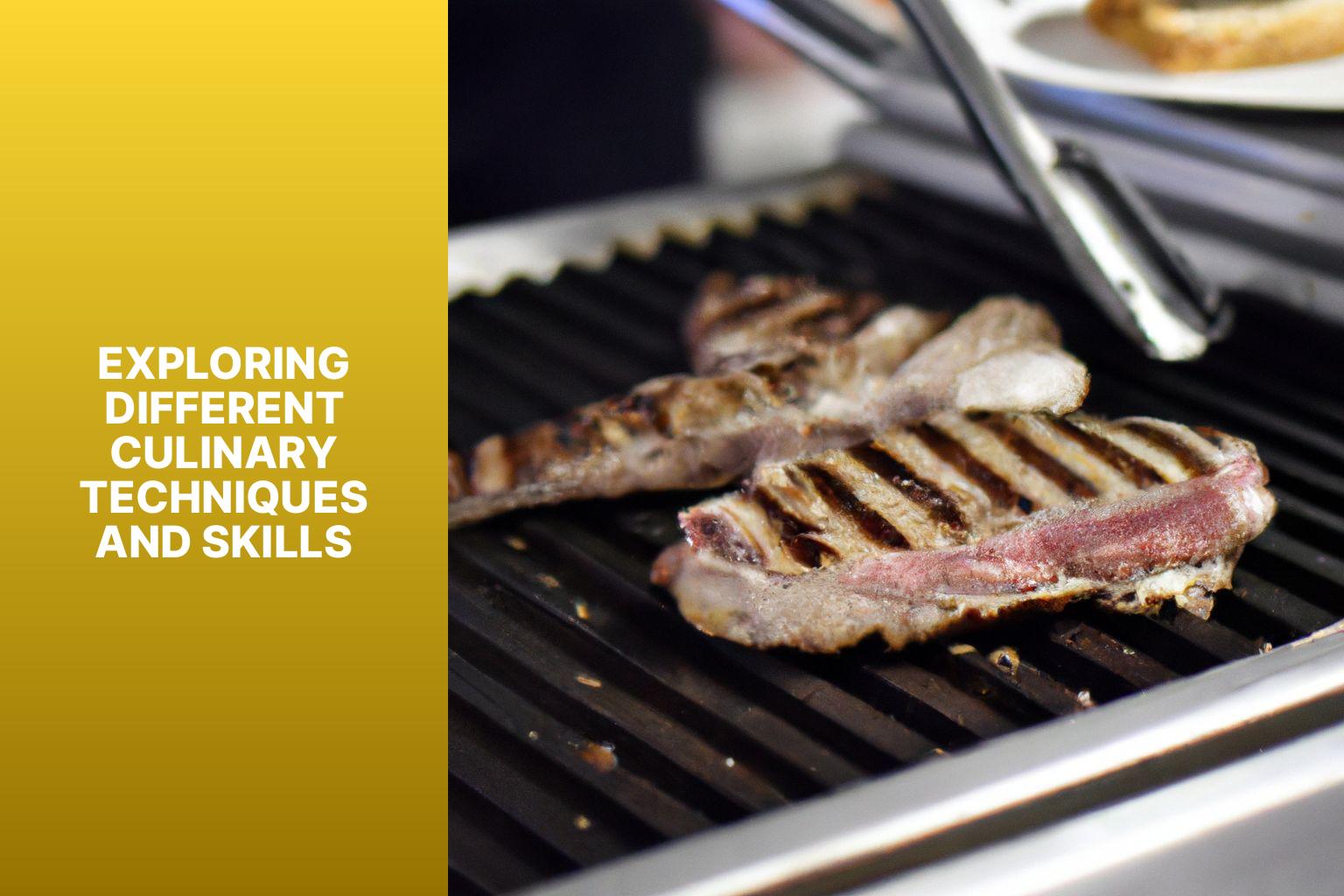
| Grilling | Adds depth by creating a smoky char, which intensifies sweetness and enhances the overall dish. |
The art of caramelization is central to many cooking techniques that not only enhance the visuals of dishes but also significantly elevate their flavors. Sautéing, for instance, is a quick method that capitalizes on the Maillard reaction, giving dishes a unique characteristic that many find irresistible. Roasting vegetables and meats introduces a golden-brown crust, amplifying sweetness while ensuring that the interior remains juicy.Meanwhile, braising stands out due to its capacity to develop deep, rich flavors as ingredients slow-cook in their own juices, enabling full sugar caramelization that transforms the dish. Grilling, on the other hand, provides a delightful contrast, introducing a char that deepens flavor while adding a subtle smokiness that complements sweetness beautifully. Understanding these techniques not only enriches culinary skills but also invites flavorful discovery in everyday cooking.
DIVE DEEPER: Click here to learn about blanching techniques
Techniques to Achieve Perfect Caramelization
While the science of caramelization is essential to understand, mastering the technique involves a few tried-and-true methods to ensure that flavors are elevated beautifully. Whether you are a novice in the kitchen or a seasoned chef, these practical tips can lead you to culinary success.
Choosing the Right Heat Source
The choice of heat source affects how sugar caramelizes. A consistent, moderate heat is ideal for achieving an even caramelization. Using a heavy-bottomed pan or a cast-iron skillet helps distribute heat evenly, minimizing the risk of hot spots that can lead to burning. Whether you prefer gas or electric stoves, ensuring an organized workspace with your ingredients at the ready will facilitate smooth operation and better results.
Utilizing Sugar Varieties
Not all sugars are created equal in the world of caramelization. While granulated white sugar is a go-to for many, incorporating different types of sugars can expand flavor profiles significantly. For example:
- Brown Sugar: Contains molasses, which contributes deeper, richer flavors and moisture to your caramel, resulting in a more complex profile.
- Turbinado Sugar: This minimally processed sugar retains some of the original molasses, offering a subtle caramel flavor that pairs well with savory dishes.
- Coconut Sugar: With its lower glycemic index and slightly nutty flavor, coconut sugar is a healthy alternative that caramelizes beautifully.
Experimenting with these alternatives can lead to new dimensions of flavor that surprise the palate.
The Role of Acidity
Interestingly, the balance of sweetness and acidity can further enhance caramelization. Adding a splash of lemon juice or vinegar to fruits like apples and pears not only prevents browning, but it also intensifies their sweetness when caramelized. This acid-sweet combination can make for dynamic, well-balanced desserts. Additionally, in savory dishes such as glazed carrots or roasted beets, a hint of vinegar can brighten the rich flavors created through caramelization.
Caramelization in the Oven
Oven roasting is another clever technique to achieve caramelization, especially for vegetables. By tossing vegetables with oil and a sprinkle of salt before roasting them at high temperatures, the sugars naturally present in them will begin to caramelize beautifully. This method captures the flavors in an entirely different way than stovetop cooking, producing a crispy exterior while maintaining tenderness inside. A common example is roasted Brussels sprouts, which develop a deliciously caramelized exterior that elevates their natural taste.
Timing is Everything
Another crucial aspect is the timing of adding other ingredients to the caramelized components. For instance, when caramelizing onions, adding a pinch of salt can help draw out moisture, speeding up the process while enhancing the sweet flavor. Conversely, introducing cream or milk too soon can halt the caramelization process, so it’s vital to pay attention to timing.
Mastering the nuances of caramelization opens a treasure trove of flavors waiting to be explored. By understanding how the right techniques and ingredients influence this alchemical cooking method, home cooks can elevate their meals to restaurant-quality experiences. The secret of caramelization lies in patience, precision, and a willingness to experiment with different flavors to create the perfect dish.
DIVE DEEPER: Click here to discover the cultural roots of traditional recipes
Conclusion
In summary, the art of caramelization stands as a testament to how transformative cooking can be. Through a deep understanding of the principles of heat, sugar selection, and timing, you unlock not only robust flavors but also elevate the overall dining experience. Whether you’re caramelizing onions to add depth to a savory dish, like a French onion soup, or crafting a rich crème brûlée for dessert, mastering caramelization is key to achieving that perfect balance of sweetness and acidity that captivates any palate.
As you delve into different cooking techniques, consider the versatility of various sugar types—such as granulated sugar, brown sugar, and even specialty sugars like turbinado or coconut sugar. The temperature at which you caramelize can dramatically affect the outcome; for instance, cooking at too high a heat can lead to burnt flavors, while low heat takes longer but yields a smoother, more complex taste. Each sugar brings its own character to the table, influencing the final flavor profile of your dishes.
Furthermore, the beauty of cooking lies in experimentation. Don’t hesitate to explore alternative ingredients or methods. For example, roasting root vegetables like carrots or sweet potatoes at high temperatures caramelizes their natural sugars, enhancing their sweetness and creating delightful flavors that might surprise even the most seasoned home cooks. This exploration can extend beyond vegetables; fruits like apples or pears also undergo fantastic transformations when caramelized, enriching desserts like tarts or even serving as a simple topping for yogurt.
Ultimately, the journey of mastering caramelization revolves around patience and creativity. As you practice, you create a rich spectrum of flavors from basic ingredients, continuously cultivating new experiences that celebrate the essence of cooking. Each dish serves as an opportunity to explore new techniques and flavors. So, embrace the secrets of caramelization, and elevate your meals from ordinary to extraordinary—one delicious bite at a time. Dive deeper into this culinary art, experiment boldly, and savor the delightful outcomes that await in your kitchen. Each foray into caramelization not only enriches your culinary repertoire but can also spark joy and curiosity in those you serve.