

Understanding Your Skin Type
Every individual possesses a skin profile that is not only unique but also intricate, requiring specific care and attention tailored to its needs. Understanding skin types is integral to achieving optimal results from your skincare regimen. By accurately identifying your skin type, you can personalize your skincare routine to promote enhanced health and radiance, ultimately leading to a more confident you.
Recognizing the various skin types is essential, as each type has its own characteristics and care requirements. The five primary skin types include:
- Oily Skin: This type is characterized by excess sebum production, resulting in a shiny appearance. Individuals with oily skin are often more susceptible to breakouts and acne due to clogged pores. Common solutions include oil-free moisturizers and clay masks, which help balance skin oils without stripping moisture.
- Dry Skin: Those with dry skin frequently experience tightness and may notice flakiness or irritation, primarily due to insufficient moisture levels. Nourishing creams containing hyaluronic acid and glycerin can help attract moisture, providing relief and comfort.
- Combination Skin: This skin type displays characteristics of multiple skin types, typically presenting an oily T-zone (forehead, nose, and chin) while the cheeks may feel dry. A combination of products that address both oiliness and dryness can create a harmonious balance.
- Sensitive Skin: Often prone to redness, irritation, and reactions from environmental factors or certain products, this skin type requires gentle care. Look for hypoallergenic products and avoid harsh ingredients to maintain skin integrity.
- Normal Skin: This skin type is balanced, feeling comfortable without excessive dryness or oiliness. While it may require less intensive care, maintaining a healthy routine with mild cleansers and moisturizers is still beneficial.
Identifying your skin type is merely the first step. To fully tailor your skincare strategy, it’s important to consider various factors that influence your skin’s condition. These include:
- Environmental Conditions: External elements like climate, humidity, and pollution can significantly impact your skin. For example, those living in urban areas with high pollution levels may experience increased sensitivity or breakouts.
- Age: As you age, skin undergoes natural changes, affecting moisture retention and elasticity. This means your approach to skincare may evolve with your age, necessitating adjustments to your regimen.
- Lifestyle Habits: Factors such as diet, hydration, and stress levels can have profound effects on skin health. A diet rich in antioxidants and sufficient hydration can help maintain a glowing complexion.
As we explore the nuances of each skin type in greater detail, readers will uncover effective treatment plans tailored to their specific needs. By understanding these differences, you can make informed decisions that lead to a radiant complexion, specifically designed for you. Delving into your unique skin type can be an enlightening journey, opening pathways to better skin health and confidence.
DIVE DEEPER: Click here to learn more
Deep Diving into Oily Skin
Oily skin, often perceived as a nuisance, is more common than one might think. In fact, approximately 30% of the U.S. population identifies with this skin type. This excess oil production can be attributed to various factors such as genetics, hormonal changes, and even dietary habits. For individuals with oily skin, maintaining a balance between hydration and oil control becomes crucial.
Those with oily skin should consider incorporating non-comedogenic products into their skincare routine. These products are specifically formulated to prevent clogged pores, addressing concerns associated with breakouts and acne without exacerbating oiliness. Key ingredients to look for include:
- Salicylic Acid: A well-known exfoliant that penetrates pores to reduce acne and blackheads.
- Niacinamide: This powerhouse ingredient helps regulate oil production while soothing inflammation.
- Clay Masks: Utilizing clay masks a few times a week can effectively draw out impurities and control excess sebum.
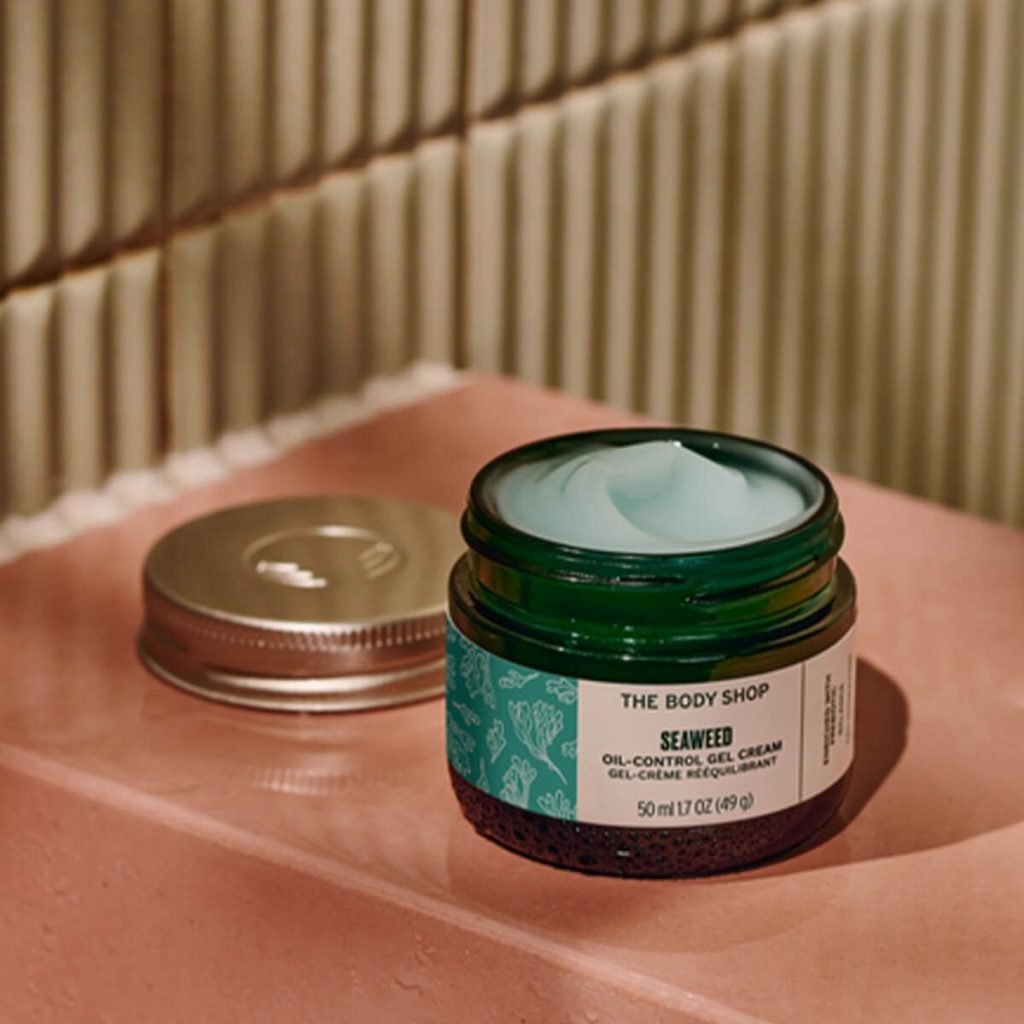
Moreover, understanding the balance of hydration is vital for oily skin. Contrary to popular belief, individuals with oily skin still require moisturization. The key lies in selecting lightweight, oil-free moisturizers that hydrate without contributing to oiliness. Products containing gel formulations or hyaluronic acid can provide the necessary moisture without the greasy feel.
Unraveling the Mysteries of Dry Skin
On the opposite end of the spectrum lies dry skin, affecting about 40% of adults in the United States. Characterized by a lack of moisture and often accompanied by tightness or flakiness, dry skin requires a dedicated approach to restore its health. Factors contributing to dry skin range from environmental influences to lifestyle choices and even underlying health conditions.
For a successful skincare routine, individuals with dry skin should focus on products that offer deep hydration and nourishment. Look for creams and lotions rich in:
- Hyaluronic Acid: Known for holding up to 1,000 times its weight in water, this ingredient is crucial for retaining moisture.
- Glycerin: Acts as a humectant, attracting moisture from the environment into the skin.
- Ceramides: These lipids help restore and maintain the skin barrier, preventing further moisture loss.
Additionally, the importance of a gentle cleansing routine cannot be overstated for those with dry skin. Opting for creamy, hydrating cleansers rather than foaming varieties will ensure that the skin’s natural oils are preserved, promoting a smoother and more comfortable feel.
Understanding the characteristics of your skin type is the foundation upon which your skincare journey is built. By tailoring treatments to your unique skin needs, you can work towards achieving that coveted radiant glow, one routine at a time.
| Skin Type | Treatment Benefits |
|---|---|
| Oily Skin | Balances oil production and minimizes pore size |
| Dry Skin | Provides deep hydration and restores moisture barrier |
| Combination Skin | Addresses multiple concerns by targeting specific zones |
| Sensitive Skin | Calms irritation and strengthens skin barrier |
Understanding your unique skin type is crucial for achieving optimal results in skincare routines. Tailoring treatments to match specific skin characteristics ensures more effective outcomes. For instance, oily skin often benefits from treatments that balance oil production while minimizing the appearance of pores. In contrast, those with dry skin should seek solutions that provide deep hydration, effectively restoring the moisture barrier that might be compromised.Moreover, individuals with combination skin can address varying skin concerns by customizing their approach to target specific areas more accurately. Finally, recognizing the needs of sensitive skin involves choosing gentle products that not only calm irritation but also strengthen the skin’s protective barrier. By comprehending these distinctions, readers will be better equipped to select effective skincare treatments that enhance their beauty regimen. Discovering which products resonate with your skin’s needs can lead to a transformative journey toward optimal skin health.
DISCOVER MORE: Click here to learn about the latest innovations
Decoding Combination Skin
Combination skin presents a unique challenge, as it represents a fusion of different skin types across the face. Approximately 65% of individuals may find themselves in this category, experiencing oiliness in certain areas, such as the T-zone (forehead, nose, and chin), while other areas remain dry or sensitive. This dual nature can often complicate skincare routines, necessitating a carefully balanced approach to treatment.
When approaching combination skin, the strategy lies in finding products that address both oiliness and dryness without exacerbating either condition. Here are some ingredients to consider integrating into your routine:
- Balancing Toners: Look for alcohol-free toners that help regulate oil while providing hydration, ensuring an optimal pH balance.
- Lightweight Emulsions: Products that combine the richness of creams with the absorbency of gels can hydrate dry areas without overwhelming oily zones.
- Targeted Treatments: Utilize spot treatments with ingredients like benzoyl peroxide for problematic areas while applying nourishing serums to dry patches.
Weekly exfoliation is also vital for those with combination skin, helping to eliminate dead skin cells that can clog pores in oily areas while also smoothing rough, dry patches. Employ gentle chemical exfoliants, such as alpha-hydroxy acids (AHAs), to achieve this without causing irritation. This balance will promote an even skin texture and allow for optimal product absorption.
Embracing Sensitive Skin
Sensitive skin, which affects nearly 50% of individuals at some point in their lives, requires nuanced care. Characterized by redness, itching, and a general propensity for irritation, sensitive skin is susceptible to environmental factors, hormonal fluctuations, and even certain skincare products. This heightened sensitivity means that those affected must integrate a soothing and gentle approach into their regimen.
Individuals with sensitive skin should always prioritize products that feature minimal ingredients, steering clear of potential irritants such as fragrances, parabens, and sulfates. Here are some ingredients that promote skin wellness:
- Aloe Vera: Known for its calming properties, aloe vera can ease redness and provide hydration.
- Chamomile: This botanical soothes the skin, mitigating inflammation and irritation.
- Colloidal Oatmeal: Recognized for its protective and moisturizing qualities, colloidal oatmeal helps restore the skin barrier.
Avoiding harsh exfoliants and cleansers is imperative for sensitive skin types. Instead, select gentle, non-foaming cleansers that offer hydration without stripping natural oils. Consider implementing a diligent patch testing routine for any new products; this precaution helps identify possible reactions before committing to a full application.
Overall, understanding your skin type can lead to profound improvements in your skincare journey. By tailoring treatments to meet the needs of your unique skin profile—whether oily, dry, combination, or sensitive—you can achieve not only healthier skin but also a deeper connection with your individual beauty needs.
DIVE DEEPER: Click here to learn more about sunscreen in cosmetics
Conclusion: The Path to Radiant Skin
In the quest for radiant skin, understanding your unique skin type is paramount. By recognizing whether you have oily, dry, combination, or sensitive skin, you can tailor your skincare treatments for optimal outcomes. This personalized approach not only enhances your skin’s health but also builds confidence in your beauty journey.
The skincare industry offers a plethora of products, yet navigating this landscape can feel overwhelming. Armed with the right knowledge about your skin type and its specific needs, you empower yourself to choose products with beneficial ingredients that directly address your concerns. Consider integrating balancing toners for combination skin, nourishing creams for dry skin, and soothing extracts for sensitive skin into your routines.
Moreover, regular assessments of your skin’s condition and being adaptable to its changing needs will ensure long-lasting results. Factors such as climate, lifestyle, and age can alter your skin’s behavior, making it crucial to revisit your regimen periodically. Don’t hesitate to seek professional advice from dermatologists or skincare specialists, as they can offer tailored recommendations to enhance your approach further.
Ultimately, by investing time and effort into understanding your skin type and customizing your skincare routine, you can achieve not just healthier skin but an enriched sense of self. Embrace this journey with curiosity, as it may lead you to discover new products and techniques that cater to your skin’s unique temperament, fostering an enduring relationship with your greatest asset—your skin.