Container Gardening: Choosing the Best Plants for Small Spaces
Container Gardening: A Creative and Space-Savvy Approach
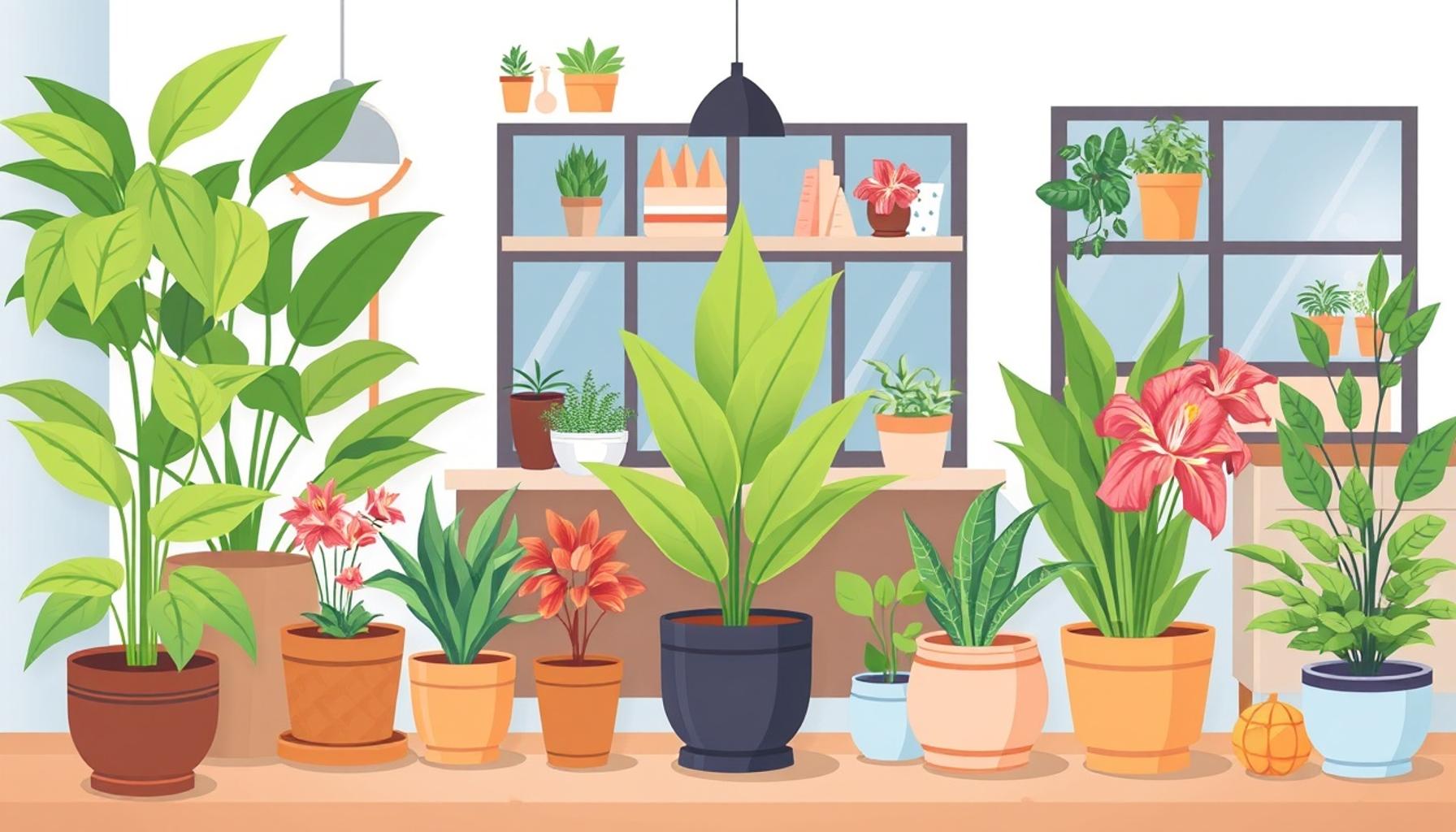
In urban environments where outdoor space is often limited, container gardening stands out as a practical and innovative solution for cultivating your own plants. This method not only allows you to grow flowers, herbs, and vegetables but also enables you to personalize your living space with greenery, promoting mental well-being and harmonizing with nature. Whether you have a small balcony, a tiny yard, or just a sunny windowsill, container gardening can help you create your own green sanctuary.
One of the most appealing features of container gardening is its inherent flexibility. Imagine rearranging your pots as the seasons change or shifting them to catch the morning sun. This means that, unlike traditional plots, you can adjust your garden layout easily to take full advantage of the sun’s path and the changing weather conditions. For example, a pot of basil may thrive in a sunny spot for part of the day but might need some shade during the afternoon peak heat. The ability to move your plants allows you to provide them with the best conditions for growth.
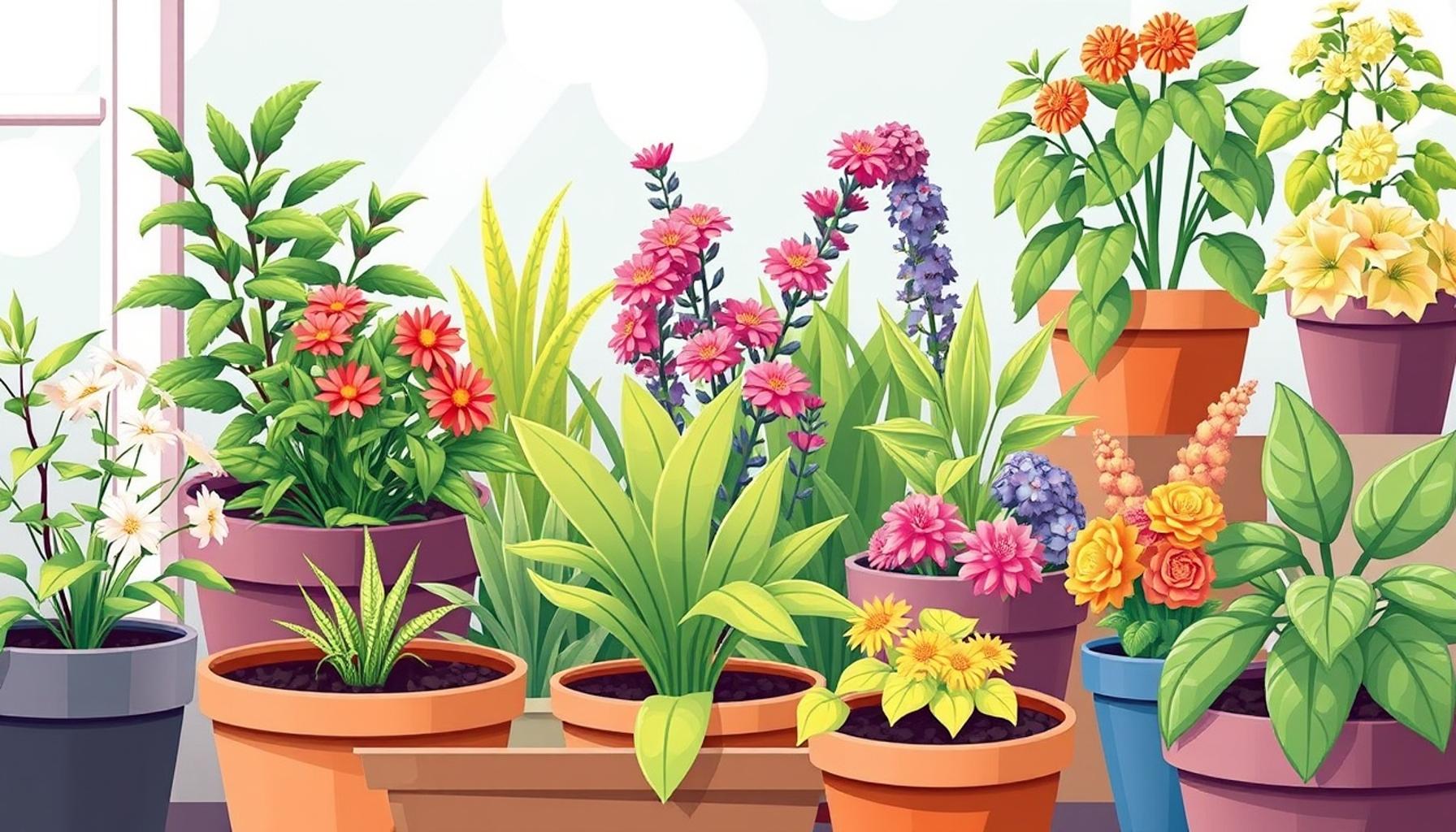
When it comes to plant choices, the diversity available is staggering. You can select a variety of vegetables, such as cherry tomatoes or baby carrots, alongside herbs like mint and cilantro, and even indulge in flowers like petunias or marigolds that can enhance your outdoor decor. This range makes it possible to curate your own unique collection that can cater to your cooking needs and aesthetic preferences.
Moreover, maximizing limited space is an essential aspect of this gardening method. Consider the concept of vertical gardening, where you can use wall-mounted planters or tiered shelves to layer smaller pots. This approach not only adds visual interest but also allows you to grow more plants in a confined area. Utilizing stackable pots can create a beautiful cascade of greenery while ensuring each plant receives appropriate sunlight and air circulation.
When it comes to choosing plants for your container garden, several pivotal factors should guide your selections:
- Growth habits: Select compact or trailing varieties that are manageable and won’t overcrowd their containers. For instance, instead of a sprawling zucchini plant, consider bush-type varieties that fit snugly into pots.
- Climate compatibility: Assess what works best in your local conditions. For example, in many parts of the United States, succulents thrive in warm, dry climates, while lettuce and spinach are better suited for cooler temperatures.
- Maintenance needs: Evaluate how much time you can dedicate to gardening. Low-maintenance plants, like pothos or herbs such as rosemary and thyme, are excellent for busy individuals or beginners.
In conclusion, container gardening opens up a wonderful world of possibilities for anyone wishing to incorporate plants into their living space, regardless of where they live. By understanding the right plants for your conditions and utilizing innovative arrangements, you can create a flourishing and sustainable garden. Stay tuned for more tips and inspiration to help you make the most of your urban gardening adventure.
DISCOVER MORE: Click here to learn about integrating cover crops for better soil health
Understanding Container Plant Selection for Small Spaces
As you embark on your container gardening journey, the first essential step is to carefully evaluate which plants will thrive in the limited spaces you have. Picking the right plants not only enhances the visual appeal of your garden but also ensures successful growth and productivity. A variety of factors should be considered when it comes to plant selection, such as growth habits, climatic suitability, and compatibility with your gardening goals.
Among the most prominent considerations is the plant’s growth habit. For container gardening, it is often beneficial to choose compact or trailing varieties that can adapt to smaller spaces. Plants that grow downward, such as certain varieties of strawberries or cascading petunias, can effectively utilize vertical space and provide stunning visual displays. Additionally, opting for dwarf or bush-type vegetables, such as lettuce or pepper plants, can prevent overcrowding and create a more manageable gardening experience.
Furthermore, understanding your local climate is crucial to selecting the right plants. In many regions of the United States, broader climate zones may dictate which plants will flourish. For instance, gardeners in southern states can successfully cultivate heat-tolerant varieties, like eggplants and zucchini, while those in northern areas might focus on cool-weather crops, such as spinach and kale. To make informed choices, it’s advisable to consult a local agricultural extension office or garden center, which can provide tailored advice based on your specific conditions.
Another critical aspect to consider is the maintenance needs of your selected plants. Busy lifestyles often limit the time one can dedicate to gardening, so understanding the care requirements of each plant is vital. Some plants, like succulents, are low-maintenance and thrive on minimal watering, making them ideal for novice gardeners. On the other hand, herbs such as basil and cilantro may require regular harvesting and careful attention to watering but can reward you with the freshest ingredients for your culinary adventures.
- Herbs: Growing herbs in containers can easily elevate your culinary creations. Consider varieties like oregano, thyme, or parsley that flourish in small pots.
- Vegetables: Compact vegetables such as radishes, carrots, and green beans fit snugly into containers while yielding a satisfying harvest.
- Flowers: Choose flowering plants like calibrachoa or lobelia that provide vibrant color without overtaking your limited space.
Finally, achieving a successful container garden involves understanding how aspects like sunlight and water availability interact with your chosen plants. Each plant species has distinct requirements, and aligning these with the specific conditions of your space can lead to a thriving green oasis right in your home. By taking the time to research and consider different plants suited for your environment, you will set a solid foundation for your container gardening adventure.
Container Gardening: Choosing the Best Plants for Small Spaces
As urban living becomes the norm, container gardening has emerged as a practical solution for those looking to cultivate a green oasis in limited spaces. It allows for a beautiful arrangement of plants, herbs, and flowers on balconies, patios, or even small yards. Choosing the right plants is essential to maximize the potential of your container garden.
When selecting plants, consider their growth habits and how they will impact the space. For instance, compact varieties such as dwarf citrus trees or mini petunias are ideal as they require less room while still delivering vibrant color and fragrance. Additionally, many herbs, including basil and thyme, thrive in containers and enhance your culinary experience, making them a stellar choice for small spaces.
Furthermore, understanding the plants’ light requirements is crucial. While some plants flourish in direct sunlight, others prefer partial shade. This knowledge empowers you to create a thriving environment tailored to your chosen plants. Layering different heights, considering the seasonality of plants, and grouping them according to watering needs can also optimize the aesthetic and functional aspects of your container garden.
Container gardening not only enables one to harness the beauty of nature but also offers additional benefits such as improved air quality and mental wellness. By carefully selecting and arranging plants, you can turn even the tiniest of spaces into a lush retreat. Explore the diverse world of container gardening, and uncover the best practices that can transform your living quarters into a green sanctuary.
| Category 1 | Category 2 |
|---|---|
| Space Efficiency | Utilizes minimal space for maximum plant growth. |
| Design Flexibility | Allows for creative designs and layouts in limited areas. |
Delve deeper into the world of container gardening and discover how you can enhance your living environment with fascinating plant selections and strategic arrangements. Embrace the challenge of small-space gardening, and witness the transformation of your outdoor area into a vibrant escape.
DIVE DEEPER: Click here to discover more
Space-Savvy Strategies for Optimal Plant Choices
When it comes to container gardening, maximizing the limited space available requires creative planning and strategic plant selection. One of the most effective tactics is the practice of companion planting, which involves growing compatible plants near one another to enhance growth, flavor, and overall yield. For instance, the classic combination of tomatoes and basil not only creates a delightful aesthetic but also promotes healthier growth. Basil helps to repel pests that may harm tomato plants, ensuring a bountiful harvest.
Another exciting approach is to focus on vertical gardening. Utilizing structures such as trellises, hanging baskets, or wall-mounted planters can significantly increase your growing space while adding visual interest to your garden. Climbing plants like peas and cucumbers thrive in this setup, allowing you to anchor them to vertical surfaces while keeping traditional planting areas open. Additionally, trailing plants like sweet potatoes or ornamental sweet peas can cascade beautifully from container arrangements, providing both utility and charm.
Seasonal and succession planting can also help you make the most of your container garden. By selecting plants that thrive in specific seasons, then swapping them out for new varieties, you can maintain a continuous harvest throughout the year. For instance, start your spring with cool-season crops such as lettuce and peas, then transition to warmer-weather crops like tomatoes and peppers in mid-to-late summer. Understanding your local frost dates and the specific growing seasons of your plants allows you to schedule plantings for maximum yield and enjoyment.
Furthermore, other plants can serve dual purposes by enhancing both your garden’s aesthetics and functionality. For example, edible flowers like nasturtiums and pansies not only add vibrant colors to your containers but can also be used in salads, providing an unexpected zing to your culinary creations. Similarly, the culinary herb chives feature lovely purple blooms that attract beneficial insects, promoting a healthy ecosystem within your garden.
- Root Vegetables: Plants like beets and turnips thrive in deep containers, making them perfect for your small garden while offering nutritious vegetables.
- Heat-Resistant Greens: Consider varieties such as arugula and mustard greens, which not only tolerate warm weather but also add unique flavors to your salads.
- Low-Light Options: If you find yourself with less sunlight, herbs such as mint or lemongrass can flourish even in shadier spots.
Besides the choice of plants, container size and material should also not be overlooked. Choose larger containers for plants with extensive root systems, while smaller pots are excellent for herbs or annual flowers. Additionally, materials like ceramic, wood, or plastic each present their own benefits in terms of weight, aesthetic, and thermal insulation. Each option can influence your garden’s microclimate and, ultimately, plant success.
By carefully considering these strategies and options, your container gardening efforts can flourish even in the tightest spaces. Learning about which combinations and methods work best for you is a rewarding journey, leading to not just a beautiful garden, but one that also provides you with fresh produce and herbs all season long.
DISCOVER MORE: Click here to learn about effective drip irrigation techniques
Final Thoughts on Container Gardening for Small Spaces
In conclusion, container gardening offers an exceptional opportunity for those with limited space to cultivate a variety of beautiful and productive plants. By understanding the nuances of plant compatibility through companion planting, and incorporating techniques such as vertical gardening, you can expand your garden’s potential. The thoughtful selection of seasonal and succession planting allows you to enjoy fresh produce year-round while keeping your garden dynamic and engaging.
As you embark on this gardening adventure, consider the aesthetic value of integrating edible flowers and dual-purpose plants into your design. A diverse selection not only enhances visual appeal but also contributes to a vibrant ecosystem that supports growth. Additionally, choosing the appropriate containers based on size and material ensures that your plants thrive while adapting to their unique environments.
Embracing container gardening means embracing creativity and innovation. Whether you reside in an urban apartment or have a quaint backyard, the possibilities for growing your favorite herbs, vegetables, and ornamental plants are virtually limitless. Each small step taken in your gardening practice is a leap toward self-sufficiency, sustainability, and the joy of bringing nature into your living space. Explore new plant varieties, rearrange arrangements, and let your garden be a personal expression of your tastes and experiences. With the right knowledge and approach, you can transform even the smallest spaces into flourishing green sanctuaries.