The Influence of Microclimate on Urban Gardening: How to Take Advantage of Local Conditions for Healthy Growth
Understanding the Impact of Microclimate on Urban Gardening
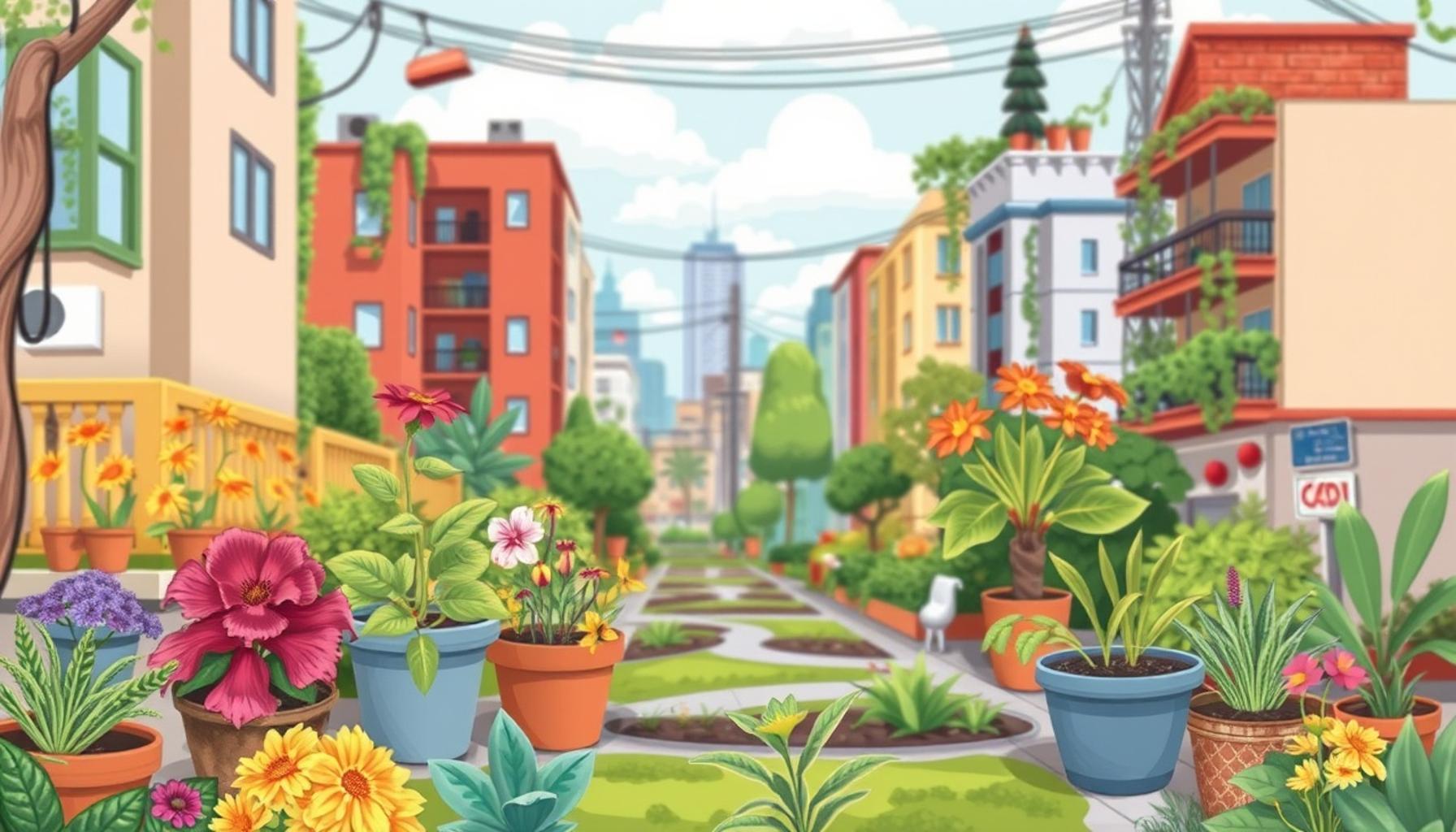
Urban gardening transcends being merely a passing trend; it stands as a significant practice encouraging a rich reconnection with nature amidst the high-paced urban life. A particularly captivating facet of urban gardening is the concept of microclimate, which refers to the localized climate conditions that can profoundly influence the health and growth of plants. Microclimate encompasses a variety of small-scale climatic variations that can exist within a larger area, leading to fertile ground for experimentation and diversity in plant cultivation.
Several factors play essential roles in the creation of microclimates, each affecting how gardeners should approach their planting strategies:
- Vegetation: Nearby plants can create intricate networks of shade, moisture, and even wind protection. For instance, a dense row of shrubs can provide cooling shade for smaller plants, allowing them to thrive in the dappled light rather than the harsh sun.
- Buildings: Urban structures influence airflow and sunlight exposure. Tall buildings can cast long shadows, while concrete surfaces might radiate heat, creating warmer areas that some plants may find advantageous. Urban gardens nestled between buildings can often enjoy a unique combination of sun and shelter.
- Materials: The choice of building materials around a garden can also create particular microclimate conditions. For instance, dark pavements absorb heat during the day and release it at night, effectively adding warmth to nearby plants, which can be particularly beneficial for heat-loving crops such as tomatoes or peppers.
By harnessing the characteristics of their microclimates, urban gardeners can make informed plant choices to maximize their gardens’ potential. For example:
- In warmer areas of a garden, selecting heat-tolerant varieties such as basil and eggplant can ensure healthy growth even in elevated temperatures.
- In shaded corners, shade-loving plants, like ferns or certain types of lettuce, can flourish where others fail, creating a lush tapestry of greenery.
- Implementing water conservation methods, such as drip irrigation or rainwater collection, can mitigate the effects of dryness in particularly arid urban microclimates, promoting plant vitality.
Across the United States, from the bustling community gardens of New York to the innovative rooftop gardens in San Francisco, urban gardeners are beginning to understand that microclimates shape every aspect of their gardening experience. Observing and analyzing local conditions, including temperature fluctuations and humidity levels, allows them to cultivate thriving gardens that not only adapt but also utilize the unique climatic characteristics of their surroundings.
As urban gardening continues to evolve, embracing the complexities of microclimates not only contributes to personal gardening success but also supports broader sustainability initiatives within urban ecosystems. Through thoughtful planning and an appreciation for the intricacies of their environments, urban gardeners are paving the way for greener cities, one microclimate at a time.
DIVE DEEPER: Click here to learn about native plants for your sustainable garden
Key Elements of Microclimate in Urban Settings
Understanding the nuances of microclimate is pivotal for urban gardeners looking to leverage their unique environments for successful plant growth. The concept may seem daunting at first, but by breaking it down into its key components, anyone can start to formulate successful strategies tailored to their specific gardening conditions. Factors such as topography, water availability, and exposure to wind play crucial roles in defining the microclimate of any gardening space.
Topography: Elevation and Slope
The physical landscape surrounding a garden can significantly influence its microclimate. Urban areas often feature various elevations, whether it’s the raised beds on a rooftop or a garden nestled into a hillside. These changes in elevation can lead to differing temperature patterns and moisture retention capabilities. For example, gardens placed on slopes may experience enhanced drainage, which is ideal for plants that thrive in drier conditions, while low-lying areas may collect water, creating a suitable habitat for moisture-loving species. Understanding the local topography can lead gardeners to choose appropriate plant pairings that coexist harmoniously within their environment.
Water Availability: Managing Irrigation
Water plays a vital role in the health of urban gardens. The availability of water can create stark contrasts in microclimates, making it imperative for gardeners to adopt efficient irrigation techniques. Urban environments, often characterized by paved surfaces, can lead to increased runoff, depriving soil of necessary moisture. Implementing rain gardens or utilizing permeable materials can help mitigate this issue by allowing rainwater to infiltrate and replenish the soil. Additionally, using methods such as drip irrigation and collecting rainwater can provide a steady supply of moisture tailored to the needs of specific plants, ultimately leading to healthier growth.
Wind Exposure: Shielding Your Plants
Another critical element of microclimate is how wind interacts with an urban garden. In densely populated areas with tall buildings, wind patterns can be unpredictable, leading to conditions that can stress even the hardiest of plants. Implementing windbreaks, like trellises adorned with climbing vines or a dense row of shrubs, will not only protect fragile plants from harsh gusts but can also enhance overall growing conditions. Windbreaks help to create a calmer microenvironment that allows for better moisture retention and temperature regulation, proving essential for sensitive crops.
Utilizing Microclimate Insights
In harnessing the fundamental elements of microclimate, urban gardeners may find themselves confronted with numerous opportunities to cultivate a diverse and thriving garden. Recognizing and addressing specific local conditions will enable gardeners to innovate in their approach, leading to improved growth outcomes. Here are some strategies to take advantage of urban microclimates:
- Experiment with plant variations: Try different plants known for specific tolerances to heat, shade, or water conditions.
- Monitor local weather patterns: Keeping track of temperature fluctuations and rainfall can help in planning planting schedules and irrigation strategies.
- Document plant performance: Observing which species thrive in certain spots can provide invaluable insight for future plantings.
By delving into the intricacies of the microclimate, urban gardeners can cultivate a comprehensive understanding of how local environmental factors shape their gardening journey, ultimately leading to greater success and vitality in their green spaces.
The microclimate within an urban environment plays a pivotal role in the success of gardening efforts. Understanding the specific traits of microclimates can significantly enhance plant growth and yield. For instance, areas sheltered from wind can maintain a warmer temperature, thereby extending the growing season and allowing for the cultivation of a wider variety of plants. Seasonal adjustments to planting schedules are essential for maximizing the productivity of urban gardens.
Another fascinating aspect is the influence of reflective structures such as buildings and pavements, which can increase solar exposure. Urban gardeners can leverage these areas to grow heat-loving plants like tomatoes and peppers, which thrive in brighter and warmer conditions. Additionally, urban environments often create higher humidity levels due to localized irrigation and transpiration from plants. This humidity is beneficial for certain crops, particularly those that flourish in moist conditions, such as basil and lettuce.
Moreover, urban gardeners must also consider how pollution levels and artificial light can influence plant health. Some plants may have adaptations that allow them to survive or even thrive in these altered conditions. Identifying local conditions such as shade, drainage, and soil type can also impact plant selection and care techniques. This highlights the importance of conducting a thorough assessment of one’s unique gardening space.
By actively evaluating their microclimate, urban gardeners can make informed decisions, effectively selecting plants that will thrive while implementing strategies that cater to local conditions. Ultimately, embracing these unique urban characteristics not only leads to successful gardening but also contributes positively to urban biodiversity and aesthetics.
| Microclimate Factors | Advantages for Gardening |
|---|---|
| Sheltered Areas | Extended growing season; protection from wind. |
| Reflective Surfaces | Increased solar exposure for heat-loving plants. |
| Higher Humidity | Benefits moisture-loving plants like basil and lettuce. |
| Shade Variability | Influences plant selection; some thrive in partial shade. |
Overall, it’s clear that local conditions must not be underestimated. Urban gardeners who tune into their environments are better equipped to harness these microclimatic benefits, shifting urban gardening from mere hobby to sustainable urban agriculture. As cities continue to grow, understanding and adapting to microclimates will ensure the success of urban gardening initiatives for years to come.
DISCOVER MORE: Click here for tips on crafting the perfect compost blend
Strategies to Enhance Urban Gardening Through Microclimate Awareness
To maximize the advantages of microclimate in urban gardening, it is essential for gardeners to adopt specific strategies that respond to the unique characteristics of their surroundings. With careful planning and observation, urban gardeners can create thriving green spaces that are well-suited to local conditions. Below are several actionable techniques that can help urban gardeners harness the power of their microclimates.
Utilizing Vertical Space and Green Infrastructure
Urban gardens often contend with limited growing space, making vertical gardening a critical strategy. By utilizing vertical structures such as walls, fences, and trellises, gardeners can create microhabitats that leverage sunlight exposure and heat retention. For instance, green walls not only bring an aesthetic appeal to urban environments but also serve as insulation and air purifiers. In addition, incorporating a variety of plant heights can help in creating diverse zones within the garden that cater to different light and moisture needs. Such arrangements can optimize available resources while enhancing biodiversity and promoting healthy growth.
Soil Composition and Quality Management
The soil in urban gardens can vary significantly from one location to another, often affected by previous land use and existing construction materials. Consequently, it’s critical for gardeners to analyze and improve soil quality regularly. Urban gardeners can benefit from amending soil with organic matter—such as compost and aged manure—to enhance nutrient availability, drainage, and moisture retention. Additionally, conducting soil tests can provide insights into pH levels and nutrient deficiencies. This information is invaluable for making informed choices about soil management strategies tailored to specific plant requirements.
Enhancing Microclimate with Plant Companioning
Companion planting is an age-old practice that takes advantage of the microclimate created by surrounding plants. Some plants provide shade, while others may function as natural repellents against pests. For instance, pairing tomatoes with basil not only creates a culinary delight but also helps improve the flavor and growth of the tomatoes. Moreover, incorporating taller crops—like sunflowers or corn—can shield shorter plants from strong winds or harsh sun. By paying attention to these inter-plant relationships, urban gardeners can maximize productivity and resilience in their gardens.
Creating Microhabitats with Mulch and Ground Cover
Mulching is another effective way to influence the microclimate in urban gardens. Organic materials like straw or wood chips help moderate soil temperatures, retain moisture, and suppress weeds. This can be especially beneficial for protecting delicate roots during extreme temperature fluctuations. Similarly, utilizing ground cover plants provides additional benefits, including erosion control and soil health improvement. Species such as clover or creeping thyme can fix nitrogen in the soil and create a more stable environmental condition that supports overall plant health.
Embracing Seasonal Adaptations
Seasonal change can significantly affect microclimates, and urban gardeners need to adapt accordingly. Utilizing season-extending techniques such as hoop houses or cold frames helps protect crops from frost and extends the growing season. Conversely, providing shade cloths or utilizing deciduous planting can offer necessary relief during the hottest months, preventing heat stress. Such adaptations not only promote plant health but also encourage more successful harvests throughout the year.
By applying these strategic approaches, urban gardeners can better navigate the complexities of microclimates, turning localized conditions into an asset that fosters a flourishing urban garden ecosystem. Through innovation and ecological awareness, they can cultivate healthier plants and contribute to urban greening efforts, enhancing both the environment and community well-being.
DISCOVER MORE: Click here to enhance your gardening skills
Conclusion: Harnessing Microclimate for Urban Gardening Success
In the vibrant landscape of urban gardening, understanding and utilizing microclimate characteristics has emerged as a crucial factor for success. As we have explored, the uniqueness of each urban environment—from sunlight exposure and wind patterns to soil composition—directly influences plant growth and garden productivity. By leveraging techniques such as vertical gardening, soil enhancement, and thoughtful plant companioning, urban gardeners can transform their spaces into lush, thriving ecosystems.
Moreover, the practice of creating targeted microhabitats through mulching and ground cover, alongside seasonal adaptations, allows for resilience against fluctuations in weather. These strategies not only promote individual plant health but also contribute positively to the broader urban ecosystem, enhancing biodiversity and community engagement. In a country where urban spaces are rapidly evolving, urban gardening represents a tangible opportunity to reconnect with nature while utilizing environmental advantages.
As neighborhood gardens continue to flourish amidst concrete jungles, it’s imperative for aspiring and experienced urban gardeners to constantly observe and respond to their local conditions. The pivotal takeaway is that by embracing the nuances of microclimates—rather than resisting them—gardeners can cultivate not just successful plants, but vibrant community hubs that enrich lives. This journey towards greener cities is just beginning, and the influence of microclimate holds the key to a healthier, more sustainable future for urban agriculture. Explore your surroundings, adapt your strategies, and watch your urban garden thrive in the face of localized challenges.