

The Role of Synthetic Ingredients in Skincare
As the skincare industry continues to innovate, synthetic ingredients are often at the forefront, driving both product effectiveness and consumer scrutiny. These man-made components, widely used in creams, serums, and lotions, promise to provide significant benefits, yet their implications for skin health warrant a closer examination. In order to navigate the complexities of modern skincare, one must consider the multifaceted role of these substances.
Popularity and Prevalence
Among the myriad of synthetic ingredients, certain compounds have become household names. Ingredients such as parabens, fragrance, and silicones are found in countless products. For instance, parabens are commonly used as preservatives to extend shelf life, effectively preventing microbial growth in creams and lotions. Fragrances, on the other hand, enhance the sensory experience of using a product but can also mask underlying synthetic compounds that may have adverse effects.
Silicones are particularly popular for their smoothing properties, creating a barrier on the skin that locks in moisture and imparts a silky texture. While these ingredients contribute to a pleasant user experience, their long-term impacts remain a topic of discussion in dermatological circles.
Benefits of Synthetic Ingredients
Despite some concerns, synthetic ingredients offer undeniable advantages. For example, they often bring enhanced stability and blendability to formulations, allowing for consistent texture and performance across batches. Additionally, synthetic compounds can provide targeted treatment options, such as retinoids which help to combat acne and reduce signs of aging. These benefits underscore why many dermatologists still endorse products containing these ingredients when used correctly.
Possible Concerns
Nevertheless, the increasing scrutiny over synthetic constituents can’t be overlooked. Many consumers express uncertainty about the safety of these compounds, leading to a rise in interest surrounding clean beauty products—options that typically feature minimal to no synthetic additives. Reports suggest that nearly 50% of skincare users in the US are transitioning to these alternatives, driven by fears of potential skin reactions or allergic responses linked to common synthetic agents.
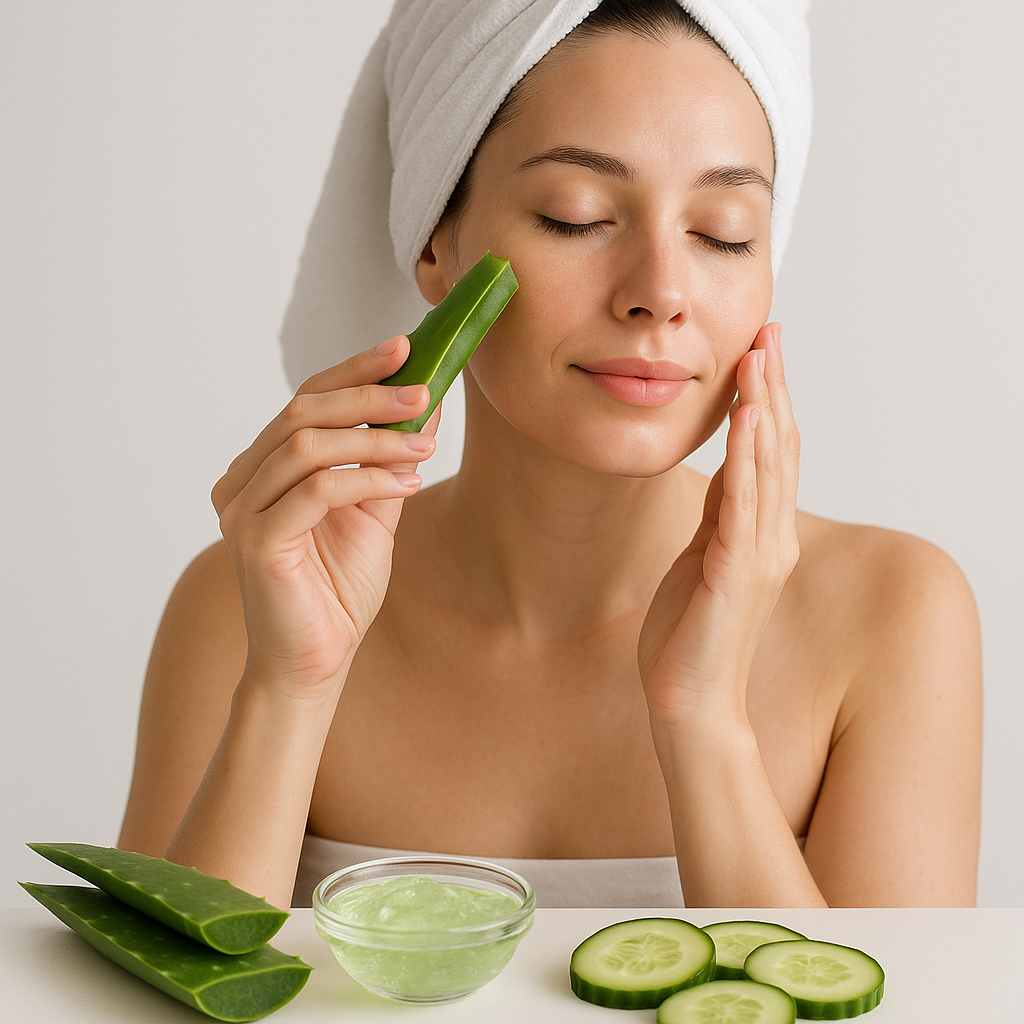
Some studies have pointed to correlations between prolonged exposure to certain synthetics and health risks, although definitive scientific consensus is still evolving. For instance, emerging data suggest that certain parabens may disrupt endocrine function, raising alarms over long-term use. This dialogue urges consumers to conduct thorough research and consider personal skin sensitivities when selecting products.
Moving Forward
As the conversation around synthetic ingredients continues to develop, both the positives and negatives merit attention. More than just a trend, the push for transparency in skincare formulations encourages both manufacturers and consumers to question whether these ingredients enhance our skin health or contribute to a cascade of dermatological issues. While the answers may not always be straightforward, the ongoing investigation is essential for achieving a balanced perspective on what we apply to our skin daily.
LEARN MORE: Click here to discover the significance of ingredient transparency</p
Understanding the Role of Synthetic Ingredients in Skincare
The landscape of skincare is rapidly evolving, and with it comes an omnipresence of synthetic ingredients that have become essential to modern formulations. Whether it be in your favorite moisturizer or serum, these man-made components provide various benefits that consumers often seek. However, it’s essential to explore how these ingredients affect our skin health, both positively and negatively.
Common Synthetic Ingredients and Their Functions
Some of the most prevalent synthetic ingredients in skincare can be categorized based on their functions:
- Preservatives: As mentioned earlier, parabens fall into this category. They thwart the growth of bacteria and fungi, ensuring product longevity. However, as the conversation around health and safety evolves, many brands now look for alternative preservatives.
- Emollients: Ingredients such as silicones lend a pleasing texture and create an occlusive layer that traps moisture. While they achieve the desired silky skin feel, their use is debated among skincare enthusiasts and professionals alike.
- Synthetic Fragrances: While they enhance the aroma of products, synthetic fragrances often contain various undisclosed components that can prompt allergic reactions in sensitive skin types.
Each of these categories plays a crucial role in crafting effective skincare solutions, yet the implications for skin health cannot be ignored. For example, while parabens are effective at preventing contamination, studies have raised questions about their potential to mimic estrogen in the body, leading some individuals to reconsider their usage.
Effects on Skin Health
The dual nature of synthetic ingredients means that while they may provide immediate benefits like hydration and improved skin texture, long-term effects are less clear. Numerous reports indicate that prolonged exposure to certain synthetic compounds could exacerbate skin conditions like eczema, acne, or dermatitis. According to a study published in the Journal of Dermatological Science, the cumulative exposure to certain synthetic ingredients may lead to sensitization over time, causing previously unaffected individuals to develop skin allergies.
Furthermore, the debate surrounding endocrine disruptors remains significant. Compounds such as certain parabens and phthalates have been linked to hormonal imbalances, which could have cascading effects, including altered skin health. In contrast, ingredients like retinoids—though synthetic—have shown promise in anti-aging and acne treatment, illuminating the nuanced relationship between synthetic compounds and skin health.
Consumer Perspectives and Response
The growing awareness of these issues is driving change in consumer behavior as well. A recent survey revealed that over 60% of American consumers are now scrutinizing ingredient lists more rigorously, leading to a surge in demand for products labeled as “clean” or “free-from” synthetic compounds. This shift signifies a fundamental questioning of what we apply to our skin and how it interacts with our health.
In summary, while synthetic ingredients offer remarkable advantages in functionality and texture, there is an underlying complexity that cannot be ignored. The ongoing dialogue surrounding their effects on skin health encourages consumers to make informed choices tailored to their skin’s unique needs.
| Advantages of Synthetic Ingredients | Key Characteristics |
|---|---|
| Consistency | Synthetic ingredients provide uniformity in products, ensuring that consumers receive the same quality and performance with each use, enhancing their reliability. |
| Enhanced Efficacy | These ingredients often have specific chemical properties that allow for better penetration and effectiveness in targeting particular skin concerns, such as aging or acne. |
The ongoing debate surrounding synthetic ingredients in skincare is paramount in understanding their role in enhancing skin health. With an ever-growing interest in cosmetic formulations, the balance between natural and synthetic components emerges as a pivotal topic. Synthetic ingredients allow for rigorous *scientific testing*, often resulting in breakthroughs in formulations that cater to various skin types and sensitivities. They are designed to perform efficiently, delivering results more predictably than many natural alternatives.Additionally, synthetic compounds can be tailored to mimic the properties of natural substances, often offering longer shelf-life and stability when compared to their organic counterparts. This innovation in dermatological science plays a critical role in addressing complex skin issues like pigmentation disorders, while also catering to modern consumers’ kbeauty trends that demand both safety and efficacy. Investigating further into the benefits derived from these practices could enlighten consumers on making informed choices related to their skincare routines.
DISCOVER MORE: Click here to delve deeper
The Regulatory Landscape and Consumer Safety
As the conversation surrounding synthetic ingredients in skincare continues to unfold, the regulatory framework governing these compounds is also a pivotal factor in ensuring consumer safety. In the United States, the Food and Drug Administration (FDA) regulates cosmetic products, but it does not require pre-market approval for most synthetic ingredients unless they are deemed unsafe. This has led to a reliance on industry self-regulation and incomplete public transparency regarding the long-term impacts of these substances on skin health.
For example, while the FDA has banned a limited number of synthetic ingredients, many commonly used compounds—such as formaldehyde-releasing preservatives and certain synthetic fragrances—remain in widespread use. Advocacy groups argue for more stringent regulations to safeguard consumers from potential harm caused by these chemical agents. In a notable push, the Campaign for Safe Cosmetics promotes legislation aimed at preventing the sale of products containing toxic chemicals often found in conventional skincare products.
The Evolution of “Clean” Beauty Trends
The rise of the “clean beauty” movement reflects a broader consumer demand for safer, more transparent ingredients. Brands have begun reformulating their products to feature naturally derived alternatives, excluding harsh synthetic additives. According to a report by Grand View Research, the global clean beauty market was valued at approximately $6.5 billion in 2021 and is expected to expand significantly in the coming years.
This surge in popularity highlights a newfound consumer consciousness focused on wellness, encouraging brands to disclose ingredient sourcing and reject harmful components. Innovative alternatives, such as plant-based extracts and non-toxic preservatives, are emerging as exciting options for those looking to enhance their skincare regimen while minimizing exposure to synthetic ingredients.
Scientific Research and Public Discourse
Research continues to investigate the complex interactions between synthetic skincare ingredients and skin health. Recent studies have identified potential links between the use of synthetic emulsifiers and disruptions in the skin microbiome, the community of microorganisms that play a vital role in maintaining skin barrier function. A balanced microbiome is crucial, as imbalances can lead to a variety of skin issues, including acne, rosacea, and eczema.
Moreover, a 2022 study published in the journal Contact Dermatitis noted a concerning increase in allergic contact dermatitis cases associated with specific synthetic ingredients. This exemplifies the reality that while some people may use synthetic products without issue, others can suffer adverse reactions. The variation in individual skin sensitivities underscores the importance of personalized skincare approaches that consider unique skin types and potential sensitivities.
The Intersection of Sustainability and Synthetic Ingredients
As the skincare industry grapples with the implications of synthetic ingredients, sustainability considerations are becoming increasingly important. The carbon footprint of synthetic ingredient production and the environmental impact of certain petrochemical-derived substances have come under scrutiny. Consumers are beginning to weigh the ethical dimensions of their skincare choices, leading to a growing interest in eco-friendly practices and sustainable sourcing.
Brands are encouraged to embrace transparency about ingredient origins and production methods, further shaping the conversation around synthetic ingredients. This climate of inquiry empowers consumers to make informed decisions, fostering a relationship with skincare that prioritizes both personal health and environmental responsibility.
In light of these discussions, the search for balance—between efficacy, safety, and environmental considerations—leads to a compelling narrative that continues to evolve. As technology progresses, innovative synthetic alternatives may emerge to present new possibilities for healthy skin—without compromising safety or sustainability.
DISCOVER MORE: Click here for insights on sustainable ingredients
Conclusion: Navigating the Complex Landscape of Synthetic Ingredients
In conclusion, the landscape of synthetic ingredients in skincare is as complex as it is vital for consumers’ understanding of their skin health. As we have explored, the regulatory environment surrounding these compounds often lacks the rigorous oversight necessary to ensure safety, leaving many consumers vulnerable to potential adverse reactions. The emergence of the clean beauty movement has illustrated a growing demand for safer alternatives, giving rise to a market that favors transparency and natural formulations.
Research continues to shed light on the intricate relationship between synthetic substances and skin health, revealing both benefits and drawbacks that vary from person to person. The documented increase in allergic reactions and the impact on the microbiome serve as crucial reminders of the importance of personalized skincare. Moreover, the intersection of sustainability with ingredient selection is becoming increasingly apparent. As consumers push for eco-friendly practices, brands that embrace sustainability without sacrificing efficacy stand to gain significant market traction.
Ultimately, the future of skincare will likely hinge on innovation, where technology holds promise in developing synthetic alternatives that prioritize both health and environmental responsibility. As individuals become more educated about ingredient safety, they are empowered to make informed decisions that align with their values—whether favoring synthetic or natural options. The ongoing dialogue around synthetic ingredients not only influences personal choices but also shapes the very future of the skincare industry. By staying informed and attentive to these shifts, consumers can better navigate the evolving landscape of skincare, ensuring they choose products that protect both their skin and the planet.