
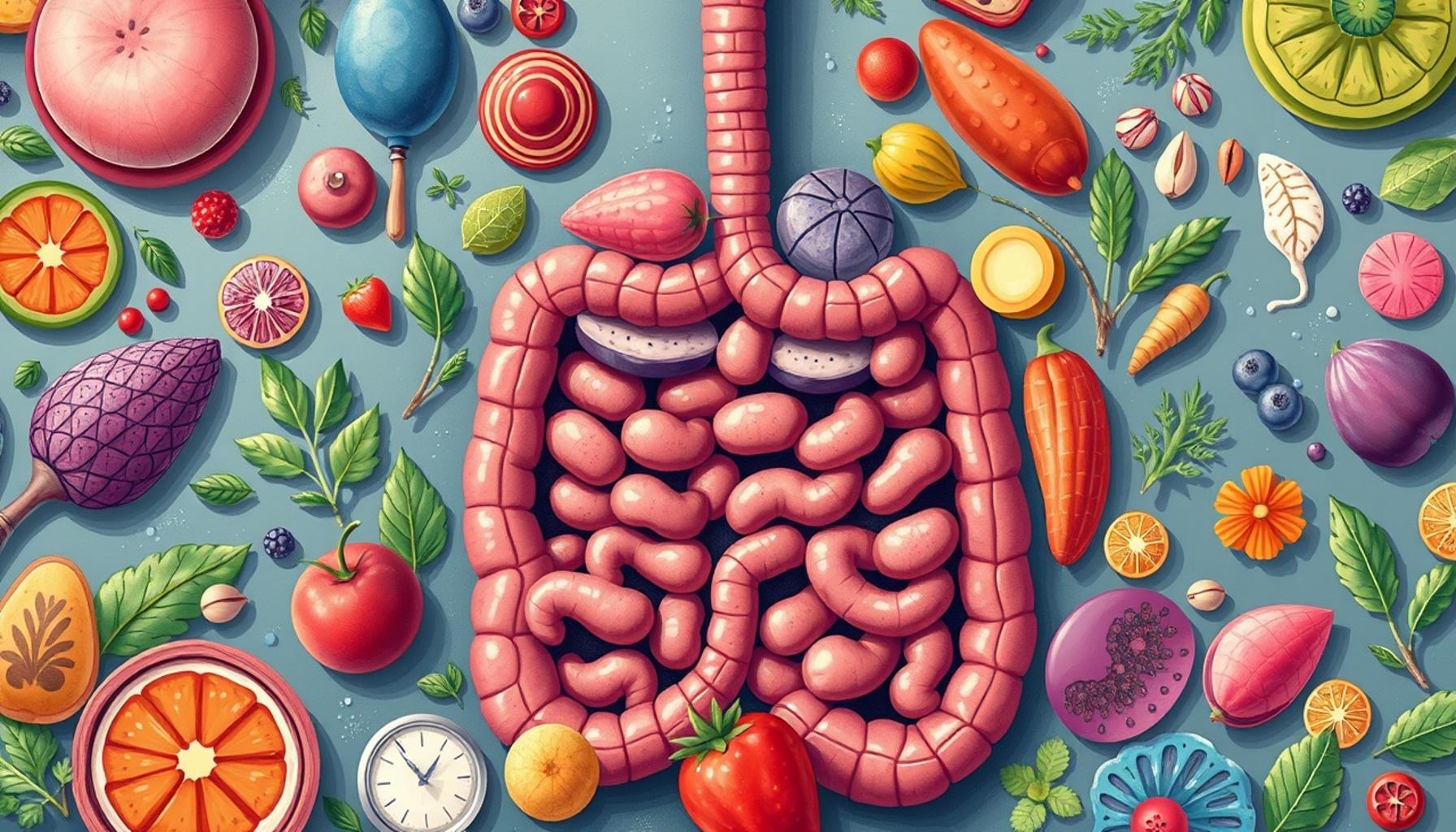
The Intricate Connection Between Gut Health and Skin Wellness
In recent years, researchers have begun to unravel the complex relationship between gut health and skin wellness, establishing what many refer to as the gut-skin axis. This connection highlights how our dietary choices do not only influence our digestive system but also significantly impact the condition of our skin. Indeed, the saying “you are what you eat” resonates on a much deeper level than we might initially think.
The human gut is home to trillions of microorganisms, collectively known as the gut microbiome. This delicate ecosystem plays a critical role in maintaining our overall health, including our skin. Disruptions in gut bacteria can lead to an imbalance that manifests through various skin conditions. Some of the most common skin issues associated with gut health include:
- Acne – Recent studies suggest that inflammation—often stemming from gut imbalances—can trigger hormonal fluctuations and oil production, contributing to acne outbreaks. Furthermore, diets high in sugars and processed foods can exacerbate this inflammation.
- Eczema – This chronic skin condition is closely tied to food sensitivities and gut dysbiosis. Individuals with eczema are often found to have certain imbalances in their gut flora that can be addressed through dietary changes.
- Psoriasis – This autoimmune disorder may respond positively to improvements in gut health. Research indicates that patients experiencing flare-ups might benefit from interventions aimed at restoring gut microbial balance.
Significantly, emerging research suggests that a healthy gut microbiome can contribute to a clearer, more radiant complexion while also reducing the visible signs of aging. Among the most impactful nutritional choices are:
- Dietary fiber – Found abundantly in fruits, vegetables, and whole grains, fiber promotes the growth of beneficial gut bacteria, which in turn can enhance skin health.
- Probiotics – Foods like yogurt, kefir, sauerkraut, and kimchi contain live beneficial bacteria that can help restore balance to the gut microbiome, with potential benefits for skin conditions.
- Antioxidants – Nutrients such as vitamins C and E, often found in berries, nuts, and leafy greens, combat oxidative stress that affects skin vitality and appearance.
The exploration of this fascinating interplay between gut and skin health is ongoing, with more studies emerging that underscore the importance of cultivating a healthy gut microbiome for achieving vibrant skin. As we continue to investigate this connection, it is essential for individuals to consider their dietary choices and their far-reaching effects. Practical dietary tips tailored for better gut and skin health will be discussed in the subsequent sections of this exploration.
DISCOVER MORE: Click here to dive deeper into the connection between beauty and well-being</a
Nutrition: The Cornerstone of Gut and Skin Health
The foundation of a healthy gut and, by extension, healthy skin begins with nutrition. Research continuously reveals that the foods we consume have a profound impact on our internal microbiome, which directly influences our skin’s appearance and resilience. To unlock the secrets of this connection, it is essential to understand how specific nutrients and dietary patterns can both enhance and hinder our skin’s vitality.
One of the primary players in establishing a symbiotic relationship between gut health and skin is dietary fiber. This essential nutrient, which is primarily found in fruits, vegetables, legumes, and whole grains, serves as fuel for beneficial gut bacteria. As these bacteria ferment fiber, they produce short-chain fatty acids (SCFAs), which promote gut health and help modulate inflammation—an underlying factor in many skin conditions like psoriasis and acne. A diet rich in fiber can, therefore, not only improve digestive health but also lead to a noticeable enhancement in skin texture and tone.
Furthermore, the consumption of probiotics—foods that contain live bacteria—is gaining traction in the realm of dermatology. Items such as yogurt, kombucha, and fermented vegetables are not just fashionable health trends; they provide a practical means of restoring balance to the gut microbiome. Probiotics can help to fortify the skin’s barrier by reducing inflammation and supporting the immune system. When one’s gut microbiome is well-balanced, it is often reflected in clearer skin, fewer breakouts, and reduced redness.
Additionally, the role of antioxidants in nutrition cannot be overstated. These powerful compounds, prevalent in a variety of fruits and vegetables, work to combat oxidative stress that can expedite the aging process and contribute to skin issues such as hyperpigmentation and uneven texture. Notable sources of antioxidants include:
- Berries – Blueberries, strawberries, and raspberries are packed with antioxidants and vitamins that promote vibrant skin.
- Leafy greens – Spinach, kale, and other green vegetables provide a rich source of vitamins A, C, and E, all essential for maintaining skin health.
- Nuts and seeds – Almonds and sunflower seeds are great sources of vitamin E that help protect skin cells from oxidative damage.
Moreover, the significance of hydration should not be overlooked. Water plays an integral role in both gut and skin health. Adequate hydration enhances digestive processes and aids in the proper circulation of nutrients to skin cells, ensuring that the skin remains moisturized and supple. Research indicates that even mild dehydration can lead to dryness and irritation, thus highlighting the importance of a consistent fluid intake.
In summary, the intricate interplay between nutrition, gut health, and skin wellness forms a crucial pillar for understanding and achieving optimal skin conditions. Dietary choices centered around fiber, probiotics, antioxidants, and hydration can pave the way for both improved gut microbiota and skin appearance, establishing a solid foundation for ongoing research and personal wellness strategies.
The Influence of Gut Health on Skin: Exploring the Connection Between Nutrition and Dermatology
The intricate relationship between gut health and skin appearance is gaining attention in both nutrition and dermatology fields. One of the pivotal factors in this connection is the gut microbiome—a complex community of microorganisms residing in the digestive tract. A balanced microbiome contributes not just to digestive efficiency but also plays a significant role in skin health.
Studies indicate that an imbalance in gut bacteria can lead to inflammatory skin conditions such as eczema, acne, and psoriasis. Probiotics, which are beneficial bacteria, are now being explored for their potential to restore microbiome balance, presenting new avenues for skincare remedies. Including fermented foods like yogurt, kimchi, and sauerkraut in your diet can enhance gut flora and subsequently improve skin clarity and texture.
Moreover, the gut-skin axis is attributed to systemic inflammation. High-sugar and high-fat diets can cause increased gut permeability, often referred to as “leaky gut,” allowing toxins to enter the bloodstream which may trigger inflammatory responses manifesting as skin irritations. A diet rich in antioxidants, such as fruits and vegetables, can combat oxidative stress and promote healing from within, highlighting the importance of nutrition as a cornerstone of skincare.
Additionally, key nutrients like omega-3 fatty acids, zinc, and vitamins A, C, and E play crucial roles in skin integrity. Ensuring these nutrients are adequately consumed supports both gut and skin health, reinforcing the idea that what we eat can have profound impacts on our outer appearance. Overall, as more research unfolds, it becomes increasingly clear that a holistic approach towards nutrition, emphasizing gut health, could be the key to achieving radiant skin and combating various dermatological concerns.
| Category | Benefits |
|---|---|
| Probiotics | Support microbiome balance, reduce acne, and improve skin hydration. |
| Antioxidants | Combat oxidative stress, reduce inflammation, and enhance skin healing. |
Understanding the gut-skin connection opens up a world of opportunities for those seeking both health and beauty. As research delves deeper, the link between what we consume and how we appear can empower individuals to make informed nutritional decisions that support not only their skin but also their overall well-being.
DISCOVER MORE: Click here to delve deeper
The Role of Specific Nutrients in Enhancing Skin Health
Delving deeper into the relationship between gut health and skin vitality, certain vitamins and minerals emerge as vital players in promoting radiance and resilience. Nutrient deficiencies can wreak havoc on the skin, leading to conditions such as dryness, acne, and premature aging. Among these nutrients, zinc stands out for its multifaceted role in skin health. This essential mineral not only supports immune function but also aids in the process of healing and regeneration. Found in foods like oysters, beef, and pumpkin seeds, adequate zinc levels can help diminish the severity of acne outbreaks and enhance overall skin tone. The gut’s ability to absorb zinc effectively can be further improved by a diet rich in prebiotics, which nourishes beneficial gut bacteria.
Another powerhouse nutrient to consider is Omega-3 fatty acids, recognized for their anti-inflammatory properties. These healthy fats, typically sourced from fish like salmon and mackerel, as well as flaxseeds and walnuts, play a pivotal role in maintaining skin elasticity and hydration. A diet abundant in Omega-3s has been linked to reduced skin conditions like eczema and psoriasis by mitigating the inflammation associated with these ailments. Furthermore, as Omega-3s influence the gut microbiome positively, they encourage a healthy inflammatory response, which reflects on the skin.
Vitamin D also emerges as a significant contributor to skin health, particularly considering the impact of sun exposure on the skin and its synthesis in the body. This vitamin not only helps regulate calcium and phosphate in the body but plays a role in skin cell repair and metabolism. With vitamin D deficiency being increasingly common among Americans, the implications for skin health are concerning. Foods such as fatty fish, fortified dairy products, and egg yolks can help bridge this gap. Moreover, a well-functioning gut microbiome can lead to better absorption of vitamin D, reinforcing the symbiotic relationship between gut health and skin appearance.
Mind the Microbiome: Foods to Embrace and Avoid
To fully harness the benefits of nutrition on both gut health and skin wellness, it is essential to be conscious of food choices. Certain foods may promote dysbiosis—a microbial imbalance that can manifest in terms of skin issues. Processed foods, laden with refined sugars and unhealthy fats, have been shown to exacerbate inflammation, leading to compromised skin health. When consumed in excess, these foods can elevate insulin levels, triggering oil production and promoting acne.
Conversely, incorporating a diverse range of whole foods can foster both gut health and radiant skin. Fermented foods, including kimchi and sauerkraut, not only enhance digestive health but also contribute beneficial bacteria to the gut. Moreover, adopting a Mediterranean diet, known for its high content of fruits, vegetables, whole grains, and healthy fats, can optimize the gut-skin axis and reduce the likelihood of skin issues while promoting overall health.
Ultimately, while individual dietary preferences and needs vary, prioritizing wholesome, nutrient-dense foods can create a powerful alliance for gut health and skin vitality. Understanding these connections empowers individuals to take control of their nutrition, leading them on a path toward not only better gut health but also radiant, youthful skin.
DISCOVER MORE: Click here for eco-friendly makeup tips
Conclusion: Bridging the Gap Between Gut Health and Skin Radiance
As we navigate the intricate pathway connecting gut health and skin vitality, it becomes increasingly clear that our dietary choices hold significant power over our overall appearance and well-being. The interplay of crucial nutrients such as zinc, Omega-3 fatty acids, and vitamin D serves not only to nourish our bodies but also to fortify our skin. By prioritizing nutrient-rich foods, individuals can make strides toward achieving a complexion that is not merely vibrant but also resilient against the signs of aging and environmental stressors.
Moreover, understanding the role of the microbiome in facilitating this gut-skin axis opens up new avenues for skincare through nutrition. The detrimental effects of processed foods, known to disrupt gut flora and subsequently lead to skin issues, highlight the critical need for conscious eating choices. Embracing a balanced diet rich in whole, fermented foods and healthy fats can catalyze both gut balance and skin health.
Ultimately, grasping this connection equips us with the awareness needed to take charge of our health narratives. By making informed dietary adjustments and nurturing our microbiomes, we can embark on a journey toward clearer skin and enhanced overall health. In the ever-evolving discourse of nutrition and dermatology, the synergy of gut health and skincare remains a potent theme, beckoning further exploration and understanding. The path to radiance may just lie within our plates—one meal at a time.