Choosing Edible Plants: A Beginner’s Guide to Growing Your Own Food at Home
Introduction
Growing your own food at home can be a rewarding experience that enhances both your culinary skills and your connection to nature. Choosing edible plants not only allows you to enjoy fresh produce but also gives you control over what goes into your meals. With a little knowledge and preparation, even the most novice gardener can start cultivating delicious, healthy foods.
Before diving into the world of edible plants, consider these essential aspects:
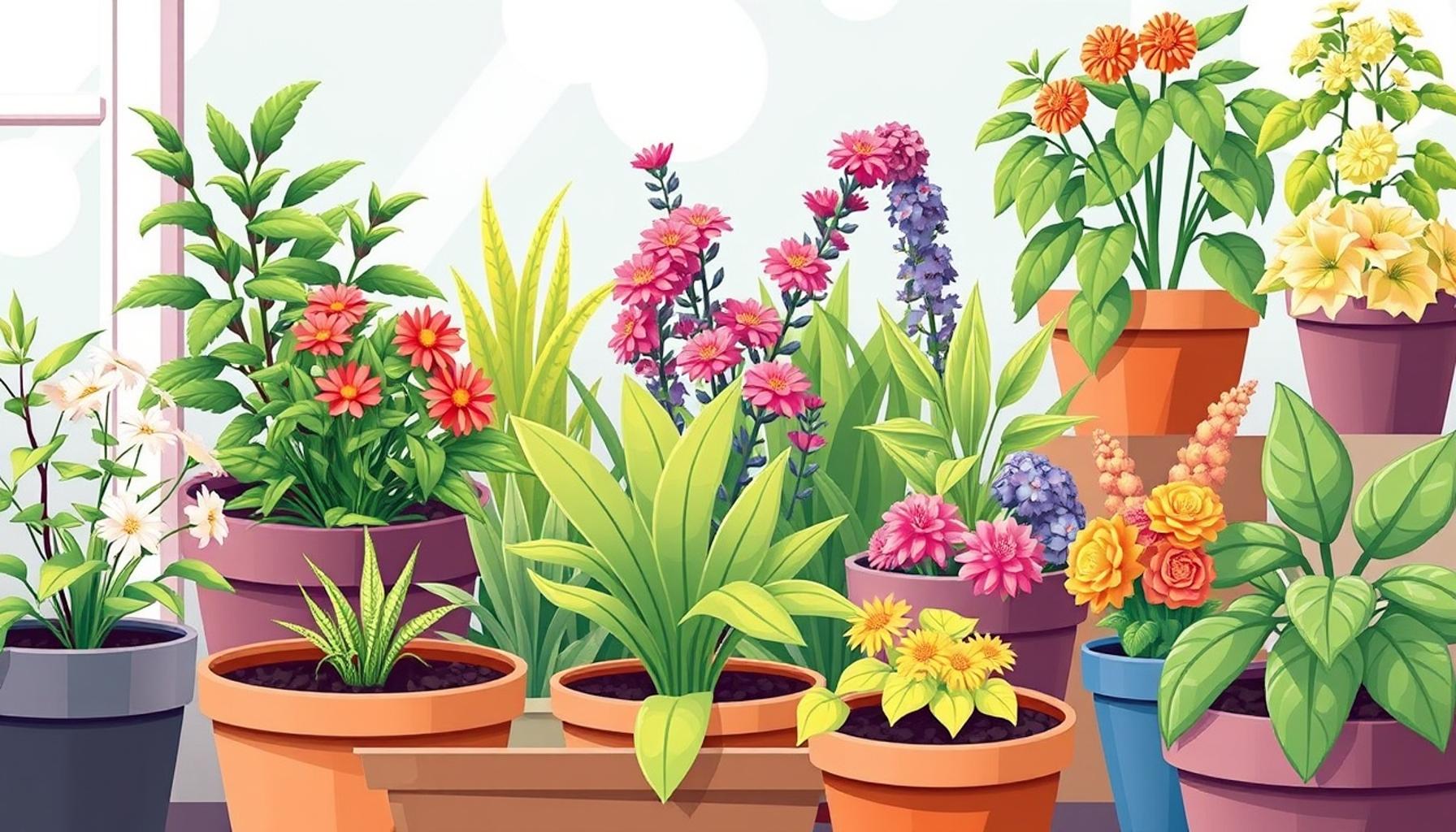
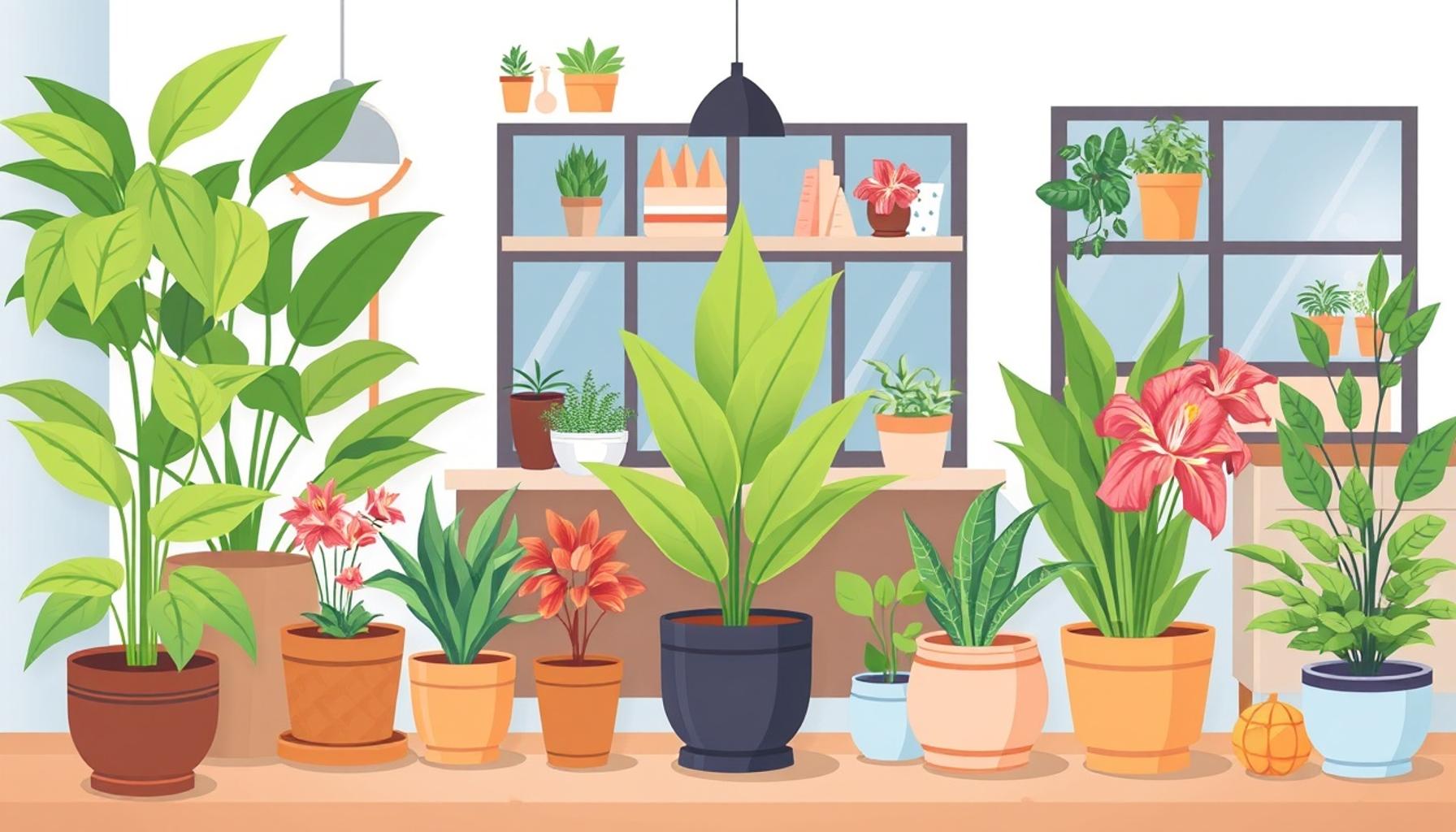
- Space: Assess how much room you have—balconies, backyards, and even kitchen windows can serve as suitable growing areas. For those with limited outdoors, container gardening is a practical solution, allowing you to grow a variety of herbs and vegetables vertically or in pots.
- Climate: Understanding your local climate zone is crucial for selecting the right plants. For instance, USDA Plant Hardiness Zones provide a guide for what each region can support. Areas with warmer climates may be ideal for growing citrus fruits, while cooler zones might favor brassicas like kale and broccoli.
- Time: Factor in how much time you can devote to gardening; some plants require more maintenance than others. Quick-growing options like radishes or salad greens may appeal to busy individuals, while slower-growing crops like squash or tomatoes may require more ongoing care but yield substantial rewards.
Once you identify your gardening parameters, you can explore a variety of edible plants that are easy to grow and maintain. Popular options include:
- Herbs: Consider starting with aromatic herbs such as basil, parsley, and cilantro. These not only enhance the flavor profile of your dishes but also thrive indoors on a sunny windowsill or outside in a small garden.
- Vegetables: Carrots, tomatoes, and peppers are beginner-friendly and versatile in the kitchen. For example, cherry tomatoes are particularly rewarding as they produce abundant fruit throughout the summer, providing a delicious snack right from the vine.
- Fruits: Strawberries and dwarf apple trees can thrive in limited spaces, providing delightful rewards. Strawberries, in particular, can be grown in hanging baskets, making them ideal for small patios or balconies.
Engaging in home gardening not only promotes sustainability and health but also fosters a deeper appreciation for the food we consume. As you connect with nature, the flavors of freshly harvested produce can truly elevate your culinary experiences. In the following sections, we will navigate the main steps to design your edible garden, providing you with practical tips and resources. Whether you’re motivated by sustainability, health, or simply the joy of gardening, growing your own food can transform your home into a vibrant source of nourishment. Get ready to dig in!
DISCOVER MORE: Click here to enhance your plant growth
Choosing the Right Edible Plants for Your Garden
Embarking on your journey to grow edible plants at home can be both exhilarating and overwhelming. With a myriad of options available, it’s essential to prioritize which plants not only suit your environment and preferences but also align with your culinary aspirations. Here, we’ll explore some key considerations to help you make informed choices on edible plants that can flourish in your garden.
Accessibility and Ease of Growth
As a beginner, selecting easy-to-grow plants can significantly boost your confidence and enjoyment. Some edible plants are renowned for their resilience and require minimal gardening expertise. Here’s a list of ideal candidates to kickstart your gardening adventure:
- Radishes: These fast-growing root vegetables can be harvested in as little as three weeks. Their crisp texture and peppery flavor are excellent additions to salads and sandwiches.
- Leafy Greens: Greens like spinach and arugula thrive in various conditions and their quick growth rate allows for multiple harvests throughout the season.
- Herbs: Soft herbs such as mint and chives are particularly forgiving, making them perfect companions for novice gardeners. Not only do they require little space, but they also offer fresh flavors to elevate your cooking.
- Beans: Consider planting bush or pole beans, which grow quickly and can produce a substantial yield. They are ideal for vertical gardening, maximizing limited space.
Flavor and Culinary Use
When choosing edible plants, consider your taste preferences and cooking style. Plants that you frequently use in your kitchen can encourage you to experiment with new recipes. Some popular choices among home cooks include:
- Tomatoes: A staple in countless dishes, tomatoes are versatile and can be grown in pots or garden beds. The sweet burst of flavor from fresh tomatoes on a summer salad is incomparable.
- Peppers: From sweet bell peppers to spicy jalapeños, growing your own peppers adds an exciting dynamic to your meals. They come in various colors and sizes, allowing for diversity in both your garden and dishes.
- Garlic: Easy to grow and highly rewarding, garlic enhances nearly any savory recipe. Plant cloves in the fall for a bountiful harvest the following summer.
Seasonality and Harvest Timing
An often overlooked aspect of selecting plants is understanding their growing seasons. Different plants have unique timelines for planting and harvesting, which can affect your gardening schedule. Vegetables like carrots and beets can be sown early in the spring, while warm-season crops such as zucchini thrive when planted after the last frost. Familiarize yourself with the planting dates that align with your local climate conditions to ensure a fruitful harvest.
Ultimately, the choice of which edible plants to grow hinges on your gardening environment, culinary preferences, and seasonal considerations. Taking the time to research and select plants that cater to your interests will not only simplify your gardening journey but also transform your cooking experiences. In the next section, we’ll dive deeper into the practical aspects of cultivating these plants, from soil preparation to pest management, thus paving the way for a thriving edible garden.
Understanding Edible Plants: Factors to Consider
As you embark on your journey of growing your own food at home, it’s essential to consider various factors that will influence your choice of edible plants. These factors will not only affect the success of your garden but also your satisfaction and enjoyment of the produce.
Climate and Growing Conditions
Different edible plants thrive in varying climates, so understanding your local weather patterns is crucial. For instance, herbs like basil prefer warm, sunny environments, while green leafy vegetables such as spinach often fare better in cooler weather. Take note of your garden’s sunlight exposure, soil type, and moisture levels, as these can dramatically impact plant growth.
Space Considerations
Considering how much space you have is equally important. If you’re limited to a small balcony or patio, you might want to focus on compact plants or container gardening. Herbs like mint and chives do extraordinarily well in pots, allowing you to grow them even in confined spaces. On the other hand, if you have a spacious backyard, you can cultivate larger plants such as tomatoes and peppers that require more room to grow.
Nutritional Value and Culinary Use
When selecting edible plants, think about your dietary needs and culinary preferences. Leafy greens, such as kale and Swiss chard, are nutrient-dense and can be used in various dishes. Additionally, incorporating edible flowers like nasturtiums not only adds pizzazz but also lends unique flavors and vitamins to your meals.
Getting Started with Your Edible Garden: A Helpful Table
| Category | Benefits |
|---|---|
| Space-Efficient Plants | Maximize yield in limited areas. |
| Variety of Flavors | Expand culinary options with fresh, homegrown flavors. |
As you navigate the world of growing your own food, remember that the journey is as enriching as the harvest itself. Understanding the essential characteristics of the edible plants you choose will lead to a more successful and enjoyable gardening experience.
DIVE DEEPER: Click here to learn the best practices
Practical Tips for Successful Edible Gardening
Once you’ve narrowed down your choices of edible plants to grow, it’s time to delve into the essential techniques that will ensure a successful garden. Gardening is a blend of science, art, and intuition, and understanding key practices can significantly impact your yield and overall experience.
Soil Preparation and Nutrients
The foundation of any thriving garden begins with healthy soil. Soil quality is crucial as it impacts plant growth and nutrient availability. Begin by determining the type of soil you have; sandy soils drain quickly, while clay soils retain moisture but can be compacted. A well-balanced, nutrient-rich soil is generally the goal.
To enhance your soil:
- Add Organic Matter: Incorporate compost or well-rotted manure to improve soil structure and nutrient levels. This organic material also promotes beneficial microorganisms that assist in plant growth.
- Check pH Levels: Most vegetable plants thrive in slightly acidic to neutral soil (pH 6.0 to 7.0). Use a soil testing kit to determine the pH and adjust as necessary with lime (to raise pH) or sulfur (to lower pH).
Irrigation and Watering Practices
Watering is a vital component of plant care, and it’s often where beginners struggle. Overwatering can drown plants, while underwatering leads to wilting and stunted growth. Here are tips to manage your watering:
- Use Mulch: Applying a layer of mulch around your plants helps retain moisture, suppress weeds, and regulate soil temperature. Organic materials like straw or wood chips work best.
- Water Deeply and Infrequently: Instead of daily shallow watering, aim to provide a deep soak once or twice a week. This encourages plants to develop deeper roots, making them more resilient to drought.
Pest Management and Plant Care
As you cultivate your garden, you’ll likely encounter pests. However, there are organic and sustainable approaches to managing them:
- Companion Planting: Certain plants, when grown together, can deter pests. For instance, planting marigolds near vegetables can help repel aphids and nematodes.
- Natural Predators: Introduce beneficial insects like ladybugs and lacewings to your garden. These insects can control pest populations without the need for chemical interventions.
- Regular Monitoring: Keep a close eye on your garden daily. Identifying problems early can prevent infestations and minimize damage.
Timing and Seasonal Care
Understanding the growth cycles of various plants is crucial to maximizing your garden’s productivity. Most vegetables can be categorized into cool-season and warm-season crops:
- Cool-Season Crops: Plant these in early spring or late summer. Examples include peas, lettuce, and broccoli.
- Warm-Season Crops: These should be sown after the last frost, typically including tomatoes, peppers, and squash. Timing your planting correctly ensures you capitalize on the growing season.
By integrating these practical strategies, beginners can cultivate a flourishing edible garden. Whether you yield a handful of herbs or a bounty of vegetables, the experience of growing your own food is immensely rewarding. The next steps involve choosing the right tools and resources to further empower your gardening journey, unlocking the full potential of your homegrown garden.
DISCOVER MORE: Click here to learn about soil pH management
Conclusion
Embarking on the journey of growing your own food is not just about cultivating edible plants; it’s about nurturing a deeper connection with nature and understanding where your food comes from. As we’ve explored in this guide, beginning your home garden can transform your living space into a thriving oasis filled with vibrant flavors and culinary possibilities.
By choosing edible plants that resonate with your tastes and climate, while employing essential gardening techniques such as proper soil preparation, optimized watering methods, and sustainable pest management, you’ll lay the groundwork for a productive garden. Remember, gardening is a continual learning experience, and don’t shy away from trial and error. Each season presents an opportunity to reflect on what worked and what can be improved.
For those ready to venture beyond the basics, consider exploring the world of heirloom varieties or incorporating edible flowers into your landscape. Engaging with your local gardening community can also provide invaluable insights and support. Many communities offer workshops that delve deeper into organic gardening practices or advanced cultivation techniques, allowing you to further your skills and knowledge.
Ultimately, the rewards of growing your own food extend beyond the fruits and vegetables themselves; they include the sense of accomplishment, sustainability, and health benefits that come from consuming fresh produce. So, roll up your sleeves and get started—your flavorful garden awaits!