
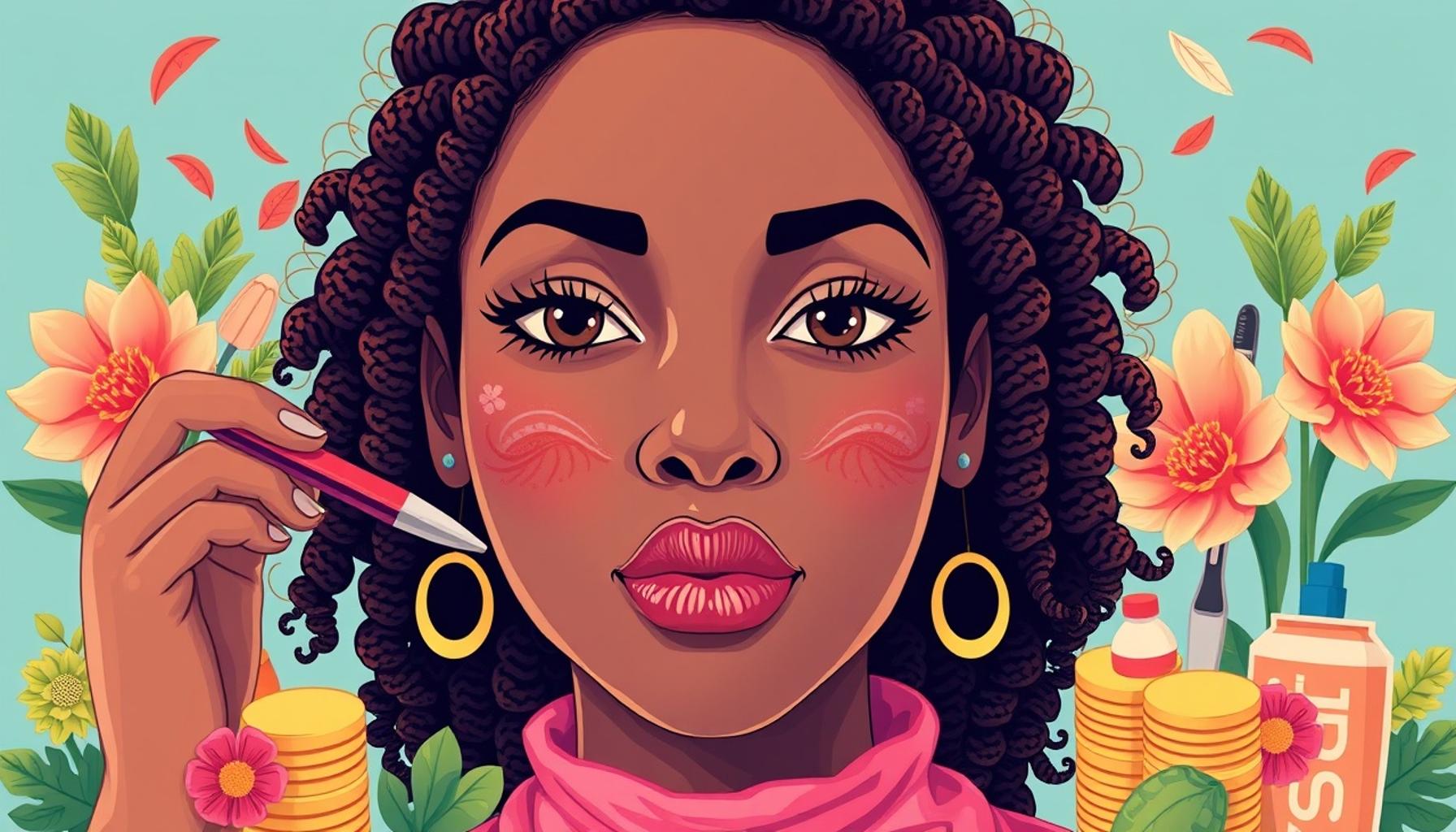
Understanding Makeup Diversity
Makeup plays a vital role in personal expression and cultural identity. As society continues to recognize and celebrate the tapestry of human diversity, the beauty industry is responding by expanding its inclusive offerings. This evolution reflects a broader understanding that beauty is not homogenous, and that every individual—regardless of their skin tone—deserves to feel empowered in their own skin.
The Importance of Undertones
When selecting makeup products, one of the most crucial aspects to consider is your skin undertone. There are generally three categories: cool, warm, and neutral. Cool undertones often have a pink, red, or blue hue, while warm undertones carry yellow, peach, or golden shades. Neutral undertones blend both, making it easier to wear various colors. For instance, someone with a cool undertone may find that silver jewelry complements their skin better than gold, while those with warm undertones might prefer the latter.
Skin Types Matter
Understanding your skin type is equally essential in makeup application. People may have oily, dry, combination, or sensitive skin, all of which can affect how makeup sits on the face. For example, those with oily skin might benefit from mattifying products, which can help control shine, whereas individuals with dry skin may opt for hydrating foundations that provide a dewy finish. In fact, brands like Fenty Beauty and e.l.f. Cosmetics offer formulas specifically designed for different skin types, significantly enhancing the user experience.
Color Theory: Highlighting and Contouring
Diving into color theory further enriches the makeup experience. The art of highlighting and contouring can dramatically change facial structure and appearance. Understanding which shades work best with different skin tones can help to amplify natural beauty. For example, someone with a darker complexion may choose rich bronze or deep plum shades for contouring, while lighter skin tones would benefit from soft taupes or light bronzes. This consideration allows for a more harmonious and natural look.
As the demand for inclusive makeup options rises, brands are expanding their color ranges to include foundations and concealers that cater to a wider spectrum of skin tones. This is not just a marketing gimmick; it symbolizes a shift towards a beauty culture where representation matters. A notable example is the launch of over 50 shades of foundation by brands like Makeup Forever, ensuring that individuals with various skin tones can find their perfect match.
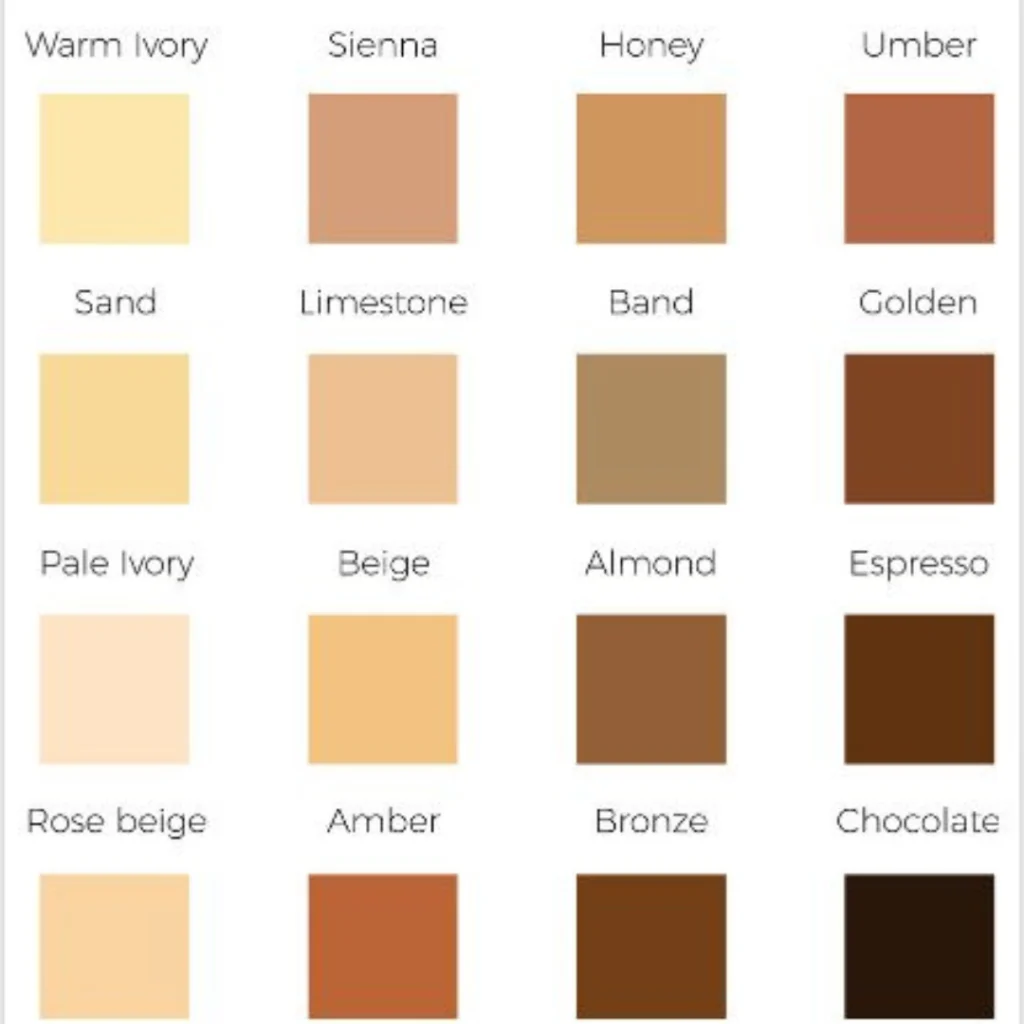
Ultimately, the journey to finding the right makeup involves experimenting and adapting techniques that embrace one’s unique characteristics. By learning about undertones, skin types, and color theory, everyone can elevate their makeup skills and take pride in their individuality. With the growing inclusivity in the beauty industry, now is the perfect time to explore and express your unique beauty without boundaries.
DISCOVER MORE: Click here to learn about sunscreen ingredients in cosmetics
Embracing the Range of Skin Tones
The foundation of inclusive makeup lies in understanding the remarkable diversity of skin tones. In the United States, a melting pot of cultures and ethnicities, the spectrum of skin tones can range from the very fair to deep, rich hues. This variations call for a thoughtful approach to makeup, ensuring that everyone can find products that complement their unique complexions.
The Spectrum of Shades
Many brands are now developing an expansive collection of shades to cater to this diversity. For instance, brands like Fenty Beauty have revolutionized the makeup industry by offering over 50 foundation shades. This commitment to inclusivity has inspired others to follow suit, allowing individuals from all backgrounds to feel seen and represented.
- Fair Skin: Often characterized by a porcelain or light beige complexion, individuals with fair skin can look for products with pink or peach undertones to enhance their natural glow.
- Medium Skin: Those with medium skin tones often have golden or olive hues. These shades can range from light tan to olive undertones, providing a versatile base for a variety of makeup options.
- Deep Skin: Deep skin tones vary from rich chocolate to ebony, and it is essential to choose foundations and concealers with warm, cool, or neutral undertones that resonate with the skin’s natural beauty.
Understanding where you fall within this spectrum can significantly impact the effectiveness of your makeup application. It is also essential to remember that lighting plays a crucial role in how makeup appears. Natural daylight tends to reveal true shades, which is why testing products in various lighting conditions can help in identifying the most flattering matches.
Choosing the Right Formulas
Once the right shade is identified, the next step is selecting the most suitable formula for your skin type. It is critical to recognize that different skin types—whether oily, dry, combination, or sensitive—react differently to makeup products. Here are some tips to consider:
- For Oily Skin: Opt for matte and oil-free foundations that help absorb excess oil and reduce shine throughout the day.
- For Dry Skin: Look for hydrating and moisturizing formulas that leave a dewy finish, providing an added boost of moisture.
- For Sensitive Skin: Choose hypoallergenic and fragrance-free products which contain gentle ingredients to minimize irritation.
With the right shade and formula, anyone can lock down their base makeup. The aim is to achieve a natural, radiant look that enhances one’s features instead of masking them. As the beauty industry advances, emerging brands and established giants continue to innovate, making it easier than ever for individuals of all skin tones to express their unique beauty.
Exploring Inclusive Makeup Techniques
As the beauty industry evolves, the demand for inclusive makeup has skyrocketed. This is essential for individuals of all skin tones to feel represented and catered to. Inclusive makeup not only celebrates diversity but also empowers individuals to express their unique beauty. Below is a table that highlights some of the advantages of embracing techniques that cater to all skin tones.
| Advantage | Description |
|---|---|
| Diverse Shade Ranges | Inclusive makeup lines offer a plethora of shades that cater to unique undertones and skin types, ensuring everyone finds their perfect match. |
| Enhanced Self-Expression | These techniques encourage individuals to explore their creativity and personal style, making makeup an exciting avenue for self-expression. |
By focusing on these advantages, makeup enthusiasts can greatly benefit from learning techniques that embrace inclusivity. This not only fosters greater self-acceptance but also enhances the overall makeup experience.
LEARN MORE: Click here to discover the effects of synthetic ingredients on your skin
Understanding Undertones for Precision Application
While selecting the right shade and formula is essential, properly understanding undertones can elevate the experience even further. Undertones refer to the subtle hue beneath the skin’s surface, shaping how colors interact with the complexion. Broadly, they are categorized into three types: warm, cool, and neutral.
Identifying Your Undertone
Identifying your undertone can determine which shades of makeup will accentuate your natural beauty most effectively. Here are some handy techniques to help you discover where you fit:
- Vein Test: One common method is to look at the veins on your wrist. If they appear blue, you’re likely cool-toned; green suggests a warm undertone; and if they appear a mix of both, you’re neutral.
- Jewelry Test: Another quick method is to consider what metal looks better on your skin. Silver jewelry typically flatters cool-toned individuals, whereas gold complements warm undertones beautifully.
- Sunlight Reaction: Pay attention to how your skin reacts to the sun. Cool-toned individuals may burn easily, while warm-toned folks tend to tan more easily, revealing a golden glow.
Once the undertone is identified, individuals can select products that enhance their natural coloring. For example, warm skin tones can benefit from bronzers with golden undertones, while cool skin tones will shine with pink or berry shades.
Inclusive Makeup Techniques
Inclusive makeup is not just about having a wide range of products; it’s also about applying them in a way that celebrates individuality. Here are some techniques tailored for various skin tones and types:
- Layering Products: For those with deeper skin tones, layering different products can add dimension. Employ cream products under powders to create a rich, harmonious finish.
- Color Correcting: Understanding color theory can be beneficial for a flawless look. For example, peach correctors can neutralize blue tones under the eyes on fair and medium skin, while orange can counteract dark circles on deeper skin tones.
- Custom Blending: Don’t hesitate to mix different foundations or concealers to achieve the perfect match for unique undertones. This technique allows for a custom blend tailored to varying light and shadow areas across the face.
Additionally, it is crucial to keep in mind that makeup application techniques vary based on skin types. Recognize the importance of using tools for application; beauty blenders, brushes, and fingers each produce different finishes and can influence how the color appears on the skin.
Emphasizing Inclusivity in Shade Ranges
The beauty industry is making significant strides in promoting inclusivity, but there remains room for growth. Many mainstream brands are still criticized for limited shade ranges that fail to accommodate deeper skin tones or for formulating products that don’t work well for high melanin levels.
This movement is bolstered by the rise of independent brands, which often offer curated collections designed specifically for underrepresented skin tones. Brands like L.A. Girl and Black Opal have led the charge by providing richly pigmented products that are accommodating and luxurious. Their success underscores the demand for diversity in the beauty space.
Through understanding undertones, refining application techniques, and promoting inclusivity in product offerings, individuals from all backgrounds and skin tones can embrace their beauty while feeling represented and valued within the industry.
DISCOVER MORE: Click here for stunning makeup techniques
Conclusion: Celebrating Diversity in Beauty
As the beauty landscape evolves, inclusive makeup has transcended beyond merely expanding shade ranges; it has become a manifesto for embracing diversity. By understanding undertones and mastering application techniques, individuals from all skin tones can elevate their makeup game to celebrate their unique features.
Emphasizing the importance of identifying one’s own undertone is essential for achieving that coveted flawless look. Whether using the vein or jewelry test, these simple techniques empower users to make informed choices about their makeup. Furthermore, the embracing of personalized application methods—like layering or custom blending—is crucial in allowing each individual to showcase their distinctive beauty.
The beauty industry is not only witnessing an increase in independent brands that cater to diverse skin tones but is also being nudged by consumers demanding greater representation and relatability in mainstream products. This progress signals a shift in understanding that beauty is not one-size-fits-all; it is intricate, multifaceted, and fundamentally personal.
In conclusion, the journey toward truly inclusive makeup is ongoing. Through advocating for comprehensive shade ranges and innovative application techniques, we can foster an environment where everyone feels included, represented, and empowered. By embracing these principles, we encourage a beauty culture that honors and uplifts every individual, regardless of their skin tone, affirming that beauty comes in all forms.